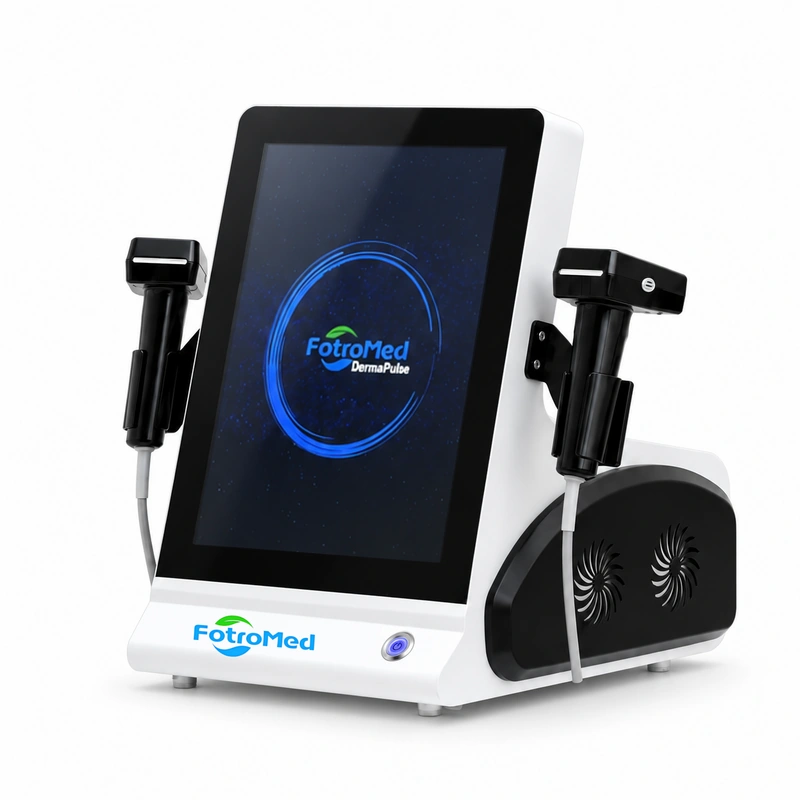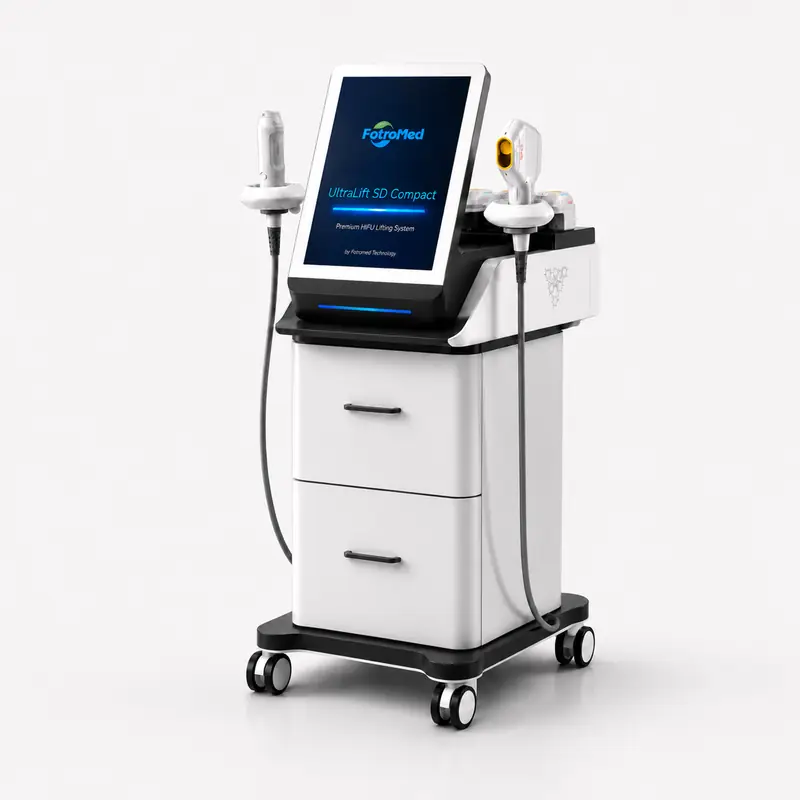
このガイドでは、7D HIFU マシンとは何かについて説明します。, どのように機能するか, どの治療部位に適合するか, クリニックはそれが適切な投資であるかどうかをどのように判断するか. 美容クリニック向けに書かれています, メスパ, 販売代理店, 販売重視ではなく実用的な意見を求めるバイヤー. Buyers comparing 7D with other clinic systems can also review our best professional HIFU machine list.
簡単に言うと, 7D HIFU マシンは、集中した超音波エネルギーを使用して、皮膚の下の選択された深さに制御された熱を送ります。. これにより、施術者は顔の弛緩に取り組むことができます, 顎の輪郭の定義, 二重あごの悩み, 手術を必要とせず、限られたダウンタイムで身体の一部を選択できます. 市場の需要はすでに明らかです: 非外科的皮膚引き締めが達成されました 439,032 米国での手続き 2024 そしてそれ以上 1.2 最新のISAPS調査では世界中で100万件の手術が行われている.
さらに重要なことは, クリニックはもはや単一目的の機械を求めていません. 彼らは顔のリフトアップをサポートできる 1 つのプラットフォームを望んでいます, 肌の引き締め, 消耗品のコストとトレーニングのプレッシャーを制御しながら、身体の輪郭を整える作業を選択します. それが、7D カテゴリが医療スパから注目を集め続ける理由です。, エステティックセンター, と販売代理店.
7D HIFUマシンとは何ですか?
7D HIFU マシンの仕組み
HIFUは高密度焦点式超音波の略です. 美的実践において, 目的は表面の角質除去や皮膚全体の温めではありません. 目標は、選択した深さで集中的に熱損傷を与えることです, コラーゲンのリモデリングと組織の収縮により、時間の経過とともに目に見える引き締めがサポートされます。.
この装置は、超音波エネルギーを皮膚表面下の正確な熱凝固点に集中させることで機能します。. エネルギーが集中するので, 表皮は主なターゲットではありません. これが、HIFU がリサーフェシングのオプションではなく、非外科的リフティングのオプションとして議論されることが多い理由の 1 つです。.
クリニック向け, 治療の深さによって現実的に期待できる結果の種類が変わるため、これは重要です. 表面的にのみ機能するマシンは、質感や軽い引き締めに役立つ可能性があります, しかし、より深いサポート層には同じように対処できません。. プロフェッショナルな 7D HIFU プラットフォームは、1 つのシステムで顔と体の症状にわたる複数の深度をカバーするように設計されているため、魅力的です。.
MMFU テクノロジーの説明
多くの商用ページで, 7D HIFU は MMFU テクノロジーとともに説明されています. 実際の購入言語で, これは、プラットフォームが複数の微細焦点を絞った治療ポイントの周囲に配置されていることを意味します, より狭い焦点, さまざまなカートリッジ深さでのより制御されたエネルギー供給. 言い換えると, MMFUは単なるラベルではありません. これは、最新の 7D HIFU マシンが精度を組み合わせる方法の背後にある治療アーキテクチャです。, 持ち上げ深さ, そして治療の快適さ.
焦点を絞ることが重要である理由は 2 つあります. 初め, クリニックが顔のデリケートゾーンをより正確に治療するのに役立ちます. 2番, 施術者と患者の両方にとって治療がよりコントロールされていると感じられるようになります. 7D HIFUマシンの公開製品メッセージも深層精度を強調, 小さいフォーカスポイント, そして快適性を重視したデザイン, これは、クリニックが最新の MMFU ベースのリフティング プラットフォームに通常求めているものと一致します。.
7D HIFU が従来の HIFU と異なる理由
従来の HIFU システムは、顔のリフトアップと顔の下の引き締めで評判を築きました。, しかし、多くの古いプラットフォームでは快適さが制限されていました, 治療の柔軟性, またはカートリッジの深さの選択. 7D プラットフォームは通常、完全に異なる物理モデルではなく、その概念のより洗練されたバージョンとして位置付けられます。.
実際の違いはラベルだけではありません. 深さオプションの組み合わせです, スピード, 快適, リフティングとコントゥアリングの両方の症状を 1 つのコンソールから治療できる機能. 旧世代の HIFU と新しい 7D システムのどちらを選択するクリニックは通常、より狭いサービス メニューを希望するか、より幅広いサービス メニューを希望するかを決定します。.
データのスナップショット: クリニックがこのカテゴリーに注目し続ける理由
| 市場 | 手順のボリューム |
|---|---|
| 米国, 2024 (ASPS) | |
| 世界中, 2024 (ISAPS) | 1,239,306 |
上の表は簡単です, しかし、それは重要な点を強調しています. 皮膚の引き締めに対する需要はすでに十分に大きいため、クリニックはそれを行う必要がありません。 “作成する” 利息ゼロから. すでに治療を行っている患者に対して、適切な治療ポジショニングと適切な機械を選択する必要があります。.
7D HIFUマシンの主な機能
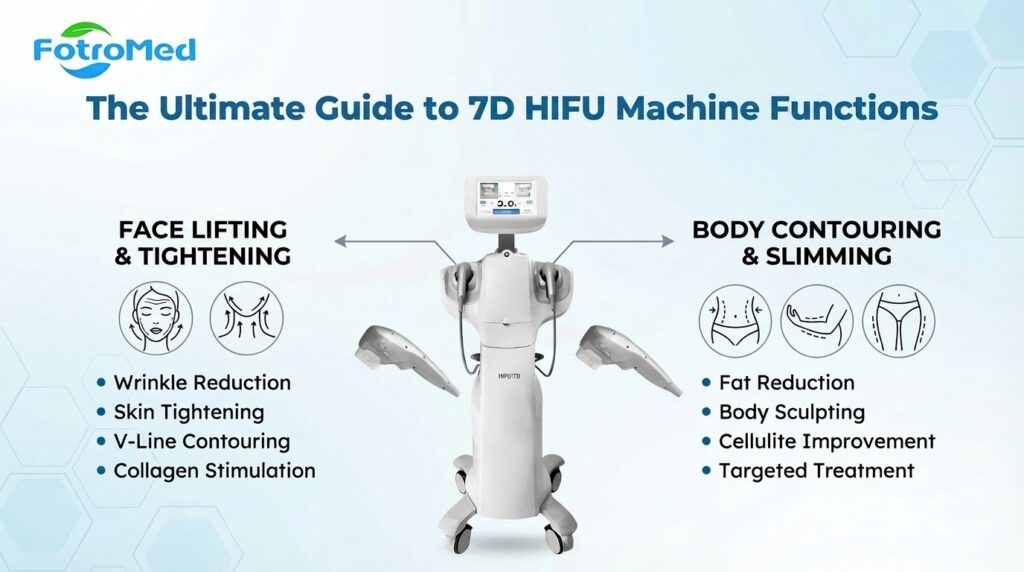
フェイスリフトと肌の引き締め
7D HIFU マシンの核となる商業価値は依然として顔のリフティングです。. 患者はよくあるさまざまな苦情を抱えて来院することがよくあります: 柔らかい顎のライン, 軽度の唸り声, 頬の下降下, 初期の首の弛緩, 疲れたような眉毛. 常に手術の準備ができているわけではない, しかし、彼らは美容液や日常的なフェイシャル以上のものを望んでいます.
ここでHIFUが意味を持ちます. クリニックが初心者レベルの皮膚のメンテナンスと侵襲的なリフティング処置の間に位置する治療を希望する場合によく選択されます。. 結果は通常、即時ではなく徐々に現れます, 相談時に説明することが重要です. HIFUはコラーゲンを再構築する治療法です, フィラースタイルのインスタントボリュームトリートメントではありません.
顎のラインと二重あごの治療
クリニックがHIFUを追加する最も強力な理由の1つは、顎のラインの改善です. よりシャープな下顔面は、治療目標が視覚的かつ具体的であるため、患者にとって理解しやすく、クリニックにとっても売り込みやすいです。.
精神下の充満感のために, 7D プラットフォームは、患者に軽度の脂肪蓄積と軽度の皮膚の弛緩の両方がある場合に特に役立ちます。. その状況で, クリニックでは、脂肪だけを減らしてその後組織の緩みの問題に直面するのではなく、輪郭形成と引き締めを同時にサポートする治療を好む場合があります。.
身体の輪郭を整えるアプリケーション
多くのクリニックが 7D HIFU を顔のみのシステムよりも強力なビジネス購入とみなしている理由の 1 つは、身体への応用です。. 一般的な身体の症状には腹部が含まれます, 側面, 上腕, そして顎の下の部分. それは、市場に出回っているすべての身体輪郭矯正装置を置き換えるという意味ではありません. それは、多くの購入者が予想するよりも広い中間点をカバーできることを意味します.
購入者にとって重要な問題は患者の適合性です. 通常、最適な体型の候補者は、軽度から中程度の局所的な脂肪と、ある程度の皮膚の弛みがある人です。. 大幅な減量目標がある患者や重度の弛緩がある患者には通常、別のプランが必要です. 7D HIFU を輪郭形成と引き締めのオプションとして位置付けているクリニック, 減量の約束ではなく, 通常、より良い長期的な信頼を構築します.
7D HIFU マシンのカートリッジと治療深さ
カートリッジの深さは、経験豊富な購入者が最初にチェックする項目の 1 つです。これにより、実際の治療環境でマシンがどの程度柔軟であるかがわかるからです。. 元の記事では、7D システムは、多くの基本的な HIFU デバイスよりも広い深度範囲で顔と体の両方のワークをカバーできるため、価値があると正しく強調されていました。.
の 7 カートリッジの深さ
このポジショニングのほとんどの 7D HIFU プラットフォームは、顔の深さ 4 つと体の深さ 3 つを使用します。. フェイシャルセットは一般的に以下を中心に構築されています 1.5 mm, 2.0 mm, 3.0 mm, そして 4.5 mm. 本体セットに共通して含まれるもの 6.0 mm, 9.0 mm, そして 13.0 mm.
の 2.0 mm カートリッジは、多くの商用 7D ページで強調されている機能の 1 つであるため、特別な注目に値します。. 浅いフェイシャルトリートメントと深いフェイシャルトリートメントの間の実用的なギャップを埋めます。. 目元や小じわの周りの柔軟性を求めるクリニック向け, その中間のオプションは商業的に役立つ可能性があります.
エリアごとにどのカートリッジが使用されるか
| カートリッジの深さ | 一般的な使用領域 | 主な治療目標 | 実践的なメモ |
|---|---|---|---|
| 1.5 mm | 顔の表面ゾーン | 小じわや面の引き締めサポート | 細かい部分でよく使われます |
| 2.0 mm | 眼窩周囲領域, デリケートな顔のゾーン | 精密な作業ができる場所 1.5 mmでは浅すぎるし、 3.0 mmは深すぎる可能性があります | 7D システムの主要なセールス ポイント |
| 3.0 mm | 真皮中部から深部の顔面組織 | 肌の引き締めとコラーゲンの刺激 | 標準的な顔の主力の深さ |
| 4.5 mm | 下面およびSMAS関連の吊り上げ作業 | 持ち上げる, 顎のラインのサポート, 顔面下締め | リフティングプロトコルで一般的に使用されます |
| 6.0 mm | オトガイ下脂肪と体のゾーンが小さい | 輪郭形成と引き締め | 二重あごプログラムに役立ちます |
| 9.0 mm | 腕, 太もも, 中程度の体の領域 | ボディの引き締めと輪郭の選択 | 皮膚の弛みが目立つ場所によく使用されます |
| 13.0 mm | 腹部と脇腹 | 身体の輪郭をより深くサポート | 厚い脂肪層に適しています |
適切な治療深さを選択する方法
深さの選択は、可能な限り最も深いオプションを使用することではありません. カートリッジを組織の厚さに合わせることが重要です, 治療目標, と寛容性. 安定した成果を求めるクリニックには明確な治療ロジックが必要, 広範なカートリッジリストだけではありません.
よくある間違いは、すべての患者をあたかも最も強力な設定または最も深いカートリッジが必要であるかのように扱うことです. 結果が改善されずに不快感が生じる可能性があります. 優れたプロトコルは選択的である. 医師は深さを解剖学的構造に一致させる必要があります, マーケティング言語ではない.
公開仕様の例: 購入者が実際にチェックするパラメータ
例として公開されている Ultraforma 仕様ページを使用する, 購入者は、ベンダーを比較する際に重要な運用の詳細を確認できます。:
- 標準治療カートリッジのリストは次のとおりです。 1.5 mm, 2.0 mm, 3.0 mm, 4.5 mm, 6.0 mm, 9.0 mm, そして 13.0 mm
- 記載されているエネルギー範囲 0.1 に 2.0 j
- 記載されているドット距離範囲 5.0 mm to 25.0 mm
- リストアップされた 20,000 カートリッジごとのショット
- 記載されている10.4インチのタッチスクリーン
同じページの公開治療範囲には以下が含まれます。:
- フルフェイス
- 下面
- デコルテージ
- 腹部
- 腕
- 太もも
- 臀部
この種の仕様ブロックは、マシンが主に顔面リフトツールであるか、それともより広範な顔と体の MMFU プラットフォームであるかを購入者に伝えるため便利です。.
7D HIFUマシンは効果的ですか?
この質問はパンフレットのどんな主張よりも重要です. 購入者が知りたいこと:
- 結果が目に見えるかどうか
- どれくらいの速さで現れるのか
- どれくらい続くか
- そのカテゴリーの背後にある証拠がどれほど強力であるか
現在の証拠は、HIFU と MFU が合法的な非外科的締め付けオプションであることを裏付けています, 特に軽度から中程度の弛緩の場合. の体系的なレビュー 16 研究では、以上のことが結論付けられました 90% 対象となった患者のうち、皮膚の張りがある程度改善されたことが示されました. 同じレビューでは、報告されている痛みのスコアの平均値についても言及しています。 3.8 まれな悪影響は約 2% 治療を受けた患者の. それは、すべての MMFU ベースのマシンが同じように動作するという意味ではありません, しかし、より広範な治療カテゴリーをサポートしています.
同時に, クリニックはバランスを保つ必要があります. あ 2025 書誌学的分析 証拠ベースは増加しているものの、量はまだ限られていることが判明, 長期的な成果にはギャップがある, 標準化, そして直接比較. それは真剣な購入者にとって実際に役立ちます. 結果を正直に市場に出すことを思い出させます.
患者満足度データにより、さらに有用な層が追加されます. あ 2024 PubMed にインデックス付けされた遡及研究をカバー 98 MFU-V患者は、患者の約3分の2が治療に満足または非常に満足していると報告した, その間 78.6% 繰り返さない主な理由としてコストを挙げた. クリニック向け, それは実践的なレッスンです. 結果が重要, しかし、価格設定のロジック, コンサルティングの質, 患者が治療に価値があったと感じるかどうかは、依然として医療提供者のスキルによって決まります.
プロバイダーのスキルも安全性に影響を与える. の FDA 集束超音波の特殊制御ガイダンスでは、ハンドピースと皮膚の完全な接触と、超音波放射への眼への曝露を避けることについての警告が特に求められています。. これはクリニックのオーナーにとって有益な注意事項です: 機械の選択とオペレーターのトレーニングは一緒に議論する必要があります, 個別の決定としてではなく.
期待される結果のタイムライン
7D HIFU マシンの結果が初日から劇的に見えることはほとんどありません. 患者によっては数日以内に初期の圧迫感を感じることもあります, しかし、コラーゲンのリモデリングが進行するにつれて、主な視覚的改善は通常数週間かけて現れます。.
大まかなパターンはこんな感じ:
| タイムライン | 患者がよく気づくこと | クリニックが説明すべきこと |
|---|---|---|
| 日数 0-7 | 軽度の腫れ, 緊張, 初期の硬さ | これは最終結果ではありません |
| 週間 4-8 | 徐々に質感とハリが向上 | コラーゲンの再構築が進行中 |
| 月頃 3 | 多くの患者にとって目に見えるピークの締め付け | 多くの場合、これはレビューと写真の段階です |
| 月 6-12 | 安定化・維持期間 | 年齢によって結果は変わる, BMI, とライフスタイル |
このタイムラインが、HIFU が長期的なクリニック計画にうまく適合する理由の 1 つです。. 実務者がレビュー訪問をスケジュールする理由が得られます, ホームケアを組み合わせる, 1 日での変革を約束するのではなく、メンテナンスについて話し合う.
必要なセッションの数
顔のリフトアップに, 多くの場合、よく計画された 1 つのセッションが標準的な開始点となります, 特に軽度から中等度の弛緩のある患者では. ボディーワーク用, セッション数は脂肪の厚さに大きく依存します, 治療エリア, クリニックがどの程度積極的な結果を望んでいるのか.
クリニックは通常、HIFU を即時の矯正ではなく、段階的な改善治療であると説明する必要があります。. これにより、より現実的な期待が生まれ、通常は満足度が向上します。. パッケージの計画も容易になります. 1 回の劇的な訪問を過剰に販売するのではなく, クリニックは診察のためのより明確なタイムラインを構築できます, 写真レビュー, フォローアップ評価, およびメンテナンス.
ダウンタイムと患者エクスペリエンス
このカテゴリーのクリニックが好まれる理由の 1 つは、手術に比べてダウンタイムが最小限であることです。. これにより、現役の専門家に販売しやすくなります, 予防を重視する若い患者, 目に見える社会的ダウンタイムを望まない人々.
痛みは依然として会話の一部です. カテゴリーが非外科的であっても, 治療の快適さはエネルギー設定によって異なります, カートリッジの選択, 対象地域, そしてオペレーターのスキル. 最高のクリニックは正直に快適さを提示し、次のことを説明します “非侵襲的” 必ずしも意味するわけではありません “完全に無感覚。”
7D HIFUマシンと他のテクノロジーの比較
多くのクリニックはテクノロジーの比較によって、7D HIFU プラットフォームが置き換えられるかどうかを決定します。, 補体, または、すでに所有しているデバイスと競合します.
7D HIFU vs 4D HIFU
4D HIFU と 7D HIFU の違いは通常、治療の柔軟性にあります。, カートリッジの設計, 治療哲学の完全な変更ではなく、位置付け. 4D システムは依然として良好なパフォーマンスを発揮する可能性があります, しかし、7D プラットフォームはより広範囲の治療深さとより小さな顔のゾーンでのより高い精度を提供するため、より高度なオプションとして販売されることがよくあります。.
顔の下の引き締めのみをメインとするクリニックの場合, 古い 4D プラットフォームでもまだ十分かもしれません. クリニックがより詳細な眼周囲の検査を必要とする場合, より広い身体範囲をカバー, コンサルティングにおける差別化の強化, 通常、7D プラットフォームの方が位置決めが簡単です.
7D HIFU vs 12D HIFU
12D HIFU システムは、スピードとライン配送で販売されることが多い. これは、治療時間が重要なハイスループットのクリニックで役立ちます。. 7Dシステム, しかし, クリニックが精度を重視する場合には、依然として好まれる可能性があります, 顔の細部の作業, そしてもっと簡単な治療の話.
これは、ある数値が常に別の数値より優れているというわけではありません. 購入者は実際にどのような処理フローが必要かを尋ねる必要があります. モデル名のディメンションが多いほど、必ずしも実際の価値が高まるとは限りません.
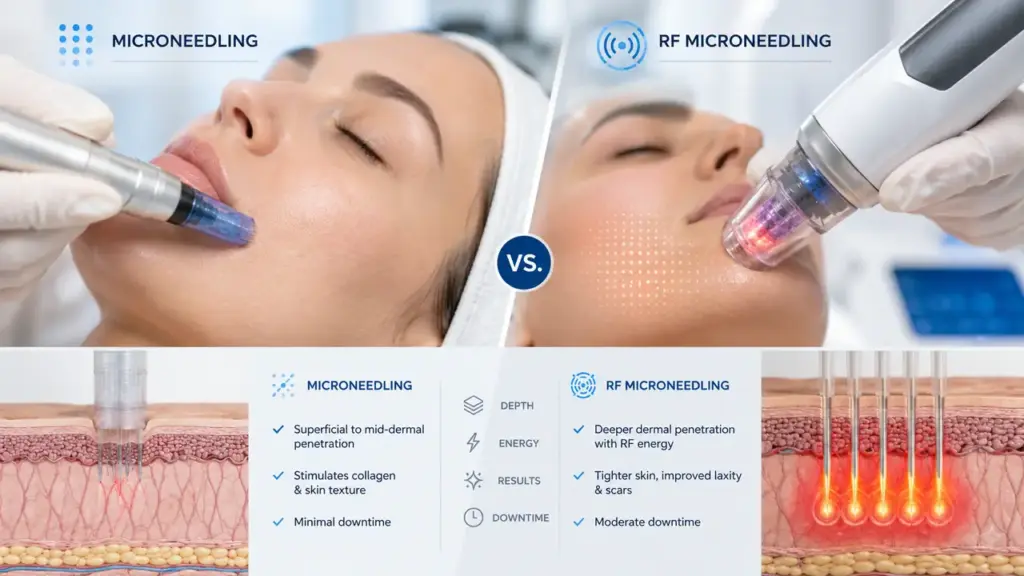
7D HIFU vs RF HIFU
RF HIFUという用語は市場では大まかに使用されています. 超音波と高周波を組み合わせたハイブリッド プラットフォームを指す場合もあります。. 時には、それはマルチエネルギーシステムに関する単なる売り文句に過ぎません。. 購入者は、ラベルに頼るのではなく、機械が実際に何を提供するのかを常に尋ねるべきです。.
実際に, RF ベースの締め付けデバイスは、HIFU システムとは異なる方法で組織を加熱します。. RF は、より拡散した加熱と表面から中間の深さまでの締め付けのために選択されることがよくあります。, 一方、HIFUは、ターゲットを絞った深さの作業とリフティング指向のポジショニングで評価されています。. ハイブリッドなアイデアは魅力的に聞こえるかもしれません, しかし商業的な質問は簡単です: クリニックには多くのことを適度にうまくこなす機械が 1 台必要ですか?, または、持ち上げに重点を置いた作業を非常に明確に実行する 1 台の機械?
7D HIFU vs サーマクール
Thermage は単極無線周波数基準点です, そのため、非外科的リフティングに関するほぼすべての相談でこのことが話題になります。. サーマクールは高いブランド認知度を持っています, しかし、7D HIFUは、より深く焦点を絞った治療ロジックを必要とするクリニックによってよく選ばれます。, カートリッジベースの柔軟性の向上, そして、顔と体のより広範なストーリー.
| テクノロジー | エネルギーの種類 | 最もよく知られているのは | 強さ | 制限 |
|---|---|---|---|---|
| 7d hifu | 焦点を合わせた超音波 | リフティングと選択されたコントゥアリング | 深さの精度とマルチエリアの柔軟性 | オペレーターの計画に関する事項 |
| 4d hifu | 焦点を合わせた超音波 | コア吊り上げ作業 | 需要が確立した馴染み深いカテゴリー | 多くの場合、位置決めの柔軟性が低い |
| 12d hifu | ラインベースの集束超音波 | スピードとハイスループットの処理 | より迅速な治療の流れ | 詳細よりもスピードを重視する可能性があります |
| RF HIFU / ハイブリッドRF | 超音波とRFまたはRF主導による締め付け | 混合締め付け戦略 | 豊富な施術メニューが魅力 | 実際のメカニズムに関する購入者の混乱 |
| サーマクール | 単極高周波 | ブランド主導で市場が逼迫 | 強いブランド認知度 | カートリッジベースの深さの種類が少ない |
クリニック向け, より安全な購入方法は治療ロジックを比較することです, 患者のフィット感, 新しいと思われるレーベルを追いかけるのではなく、ビジネスに適しています.
ビジネスの視点: ROIと収益性
訪問するB2Bバイヤー向けfotromed.com, 投資収益率 (ROI) 重要な指標です. 7D HIFU は利益率の高いデバイスです.
ROI 計算のサンプル (毎月)
- 平均治療価格 (顔): $400 - $800
- 平均治療価格 (体): $600 - $1,200
- 消耗品コスト: 約 $30 - $50 セッションごと (カートリッジショット).
- 治療時間: 30 - 45 分.
あなたのクリニックが適切なパフォーマンスを発揮するなら、5 フェイシャルトリートメント そして3 ボディトリートメント 週あたり:
- 収益: (5 x $500) + (3 x
800)=∗∗800)=∗∗4,900 週あたり**. - 月収: ~19,600ドル.
当社の手頃なコストを考慮すると、プロフェッショナル向けの顔とボディの HIFU マシン シリーズ, ほとんどのクリニックは最初の期間内に損益分岐点を達成します 2 数カ月の運用.
クリニックが 7D HIFU マシンを選択する方法
ここで購入の決定が現実的になります. クリニックは技術を選ぶだけではありません. 現在の患者構成にどのようにテクノロジーを適合させるかを選択している, ブランドレベル, 施術メニュー, そしてキャッシュフロー.
予算が限られている小規模クリニックに最適な選択肢
小規模クリニックや新しいメディスパでは、通常、非常に複雑なトレーニング プロセスを必要とせずに、複数の明確なオファーをサポートできる 1 台のマシンが必要です。. 彼らのために, 7D HIFUマシンを購入する最大の理由はサービス範囲です. 1つのプラットフォームで顔の引き締めをサポート, 顎のラインの仕事, 二重あごのプロトコル, クリニックに複数のデバイスの即時購入を強いることなく、身体の輪郭を選択することができます。.
通常、最も安全な選択は、明確なカートリッジ ロジックを備えたモデルです。, 安定したトレーニングサポート, 宣伝されている最も安い価格ではなく現実的な消耗品コスト. 機械が使いにくい場合は、購入価格が低くても高価になる可能性があります, 学ぶのが難しい, または相談時に位置付けが難しい.
小規模クリニック向け, 予算編成は簡単な質問から始める必要があります: この機械は最初の 6 か月間で実際に何種類の治療をサポートできるか? 答えが 1 つまたは 2 つだけの場合, 戻りは予想よりも遅くなる可能性があります. 眉リフトサポートを自信を持って販売できるクリニックであれば, 顔面下締め, 二重あごの改善, および選択されたボディセッション, 機械は操作を吸収しやすくなります.
サービスを拡大するクリニックの成長に最適な選択肢
成長を続けるクリニックでは通常、すでに注射剤を提供しています, フェイシャル, または RF ベースのサービス. 彼らの質問はそうではありません “エネルギー装置を追加する必要がありますか?” しかし “チケットサイズと患者維持率の拡大に役立つデバイスはどれですか?”
このグループの場合, 7D HIFUマシンは、クリニックが通常のスキンケアよりも先進的で、手術よりも怖くない治療を追加したい場合に最適です。. 組み合わせた治療計画にもうまく適合します, HIFUは、多層的なアンチエイジング計画の一環として、メンテナンスフェイシャルの上に、注射や再生サービスと並んで位置します。.
このタイプのクリニックはスケジュールの効率性も考慮する必要があります. いくつかの収益性の高い兆候をカバーするデバイスがフロントデスクを支援します, 相談チーム, 同時に治療室. メニューデザインを簡素化します. 3 つの別々の懸念事項に対して 3 台の別々のマシンを追加する代わりに, クリニックは、より強力な非外科的リフティング カテゴリを 1 つ構築し、それを中心にクロスセルすることができます。.
より高いROIを求めるプレミアムクリニックに最適な選択肢
高級クリニックでは、HIFU とサーマクールをよく比較します。, ハイエンド RF プラットフォーム, および組み合わせシステム. 購入基準は通常より厳しいです: 治療の快適さ, 相談話, 部屋の効率, サービス価格, ブランドのポジショニングがすべて重要.
このグループの場合, 7D HIFU プラットフォームの最も強力な価値はマシン自体だけではありません. 明確なプレミアムサービスのはしごを構築する能力です. 目の周りの細かい作業もできるクリニックです, 顎のラインの引き締め, ネックサポート, メニューをあまり細分化するのではなく、1つのテクノロジーストーリーの下でボディコンターリングを選択しました.
プレミアム購入者は、相談中にデバイスがどのように聞こえるかについても判断する必要があります。. このセグメントの患者は、より鋭い質問をすることがよくあります. 彼らはなぜサーマクールではなくこの治療法をするのか知りたいと考えています, なぜ後でではなく今なのか, なぜ他のクリニックではなくこのクリニックなのか. シンプルで医学的に信頼できる説明をサポートするマシンは、曖昧なマーケティング言語に依存するマシンよりも販売しやすい.
価格以外に何を評価すべきか
価格が重要, しかし、それが唯一の指標であってはなりません. クリニックも注目すべき:
- 基本パッケージに含まれるカートリッジの深さの数
- 治療ごとの実際の消耗品コスト
- トレーニングの品質とプロトコルのサポート
- カートリッジとスペアパーツの交換速度
- 機械がクリニックの現在の患者プロファイルにどの程度適合しているか
| クリニックの種類 | 典型的な予算のプレッシャー | 通常最も必要なもの | 購入前に確認すべきこと |
|---|---|---|---|
| 新しいクリニックまたはメディスパ | 高い | 1台のマシン, 多くの販売可能な指標 | トレーニング, 使いやすさ, 消耗品費 |
| 成長クリニック | 中くらい | サービスの拡充とパッケージデザインの改善 | 顔と体の範囲, 治療スピード, サポート |
| プレミアムクリニック | 相対圧力が低い | 強力なポジショニングと患者エクスペリエンス | 快適, 精度, 差別化, アフターセールス |
それを超えて, 購入者はハンドピースの安定性について尋ねるべきです, カートリッジの入手可能性, 保証条件, 販売後の応答時間, サプライヤーが機械を出荷するだけでなく治療教育をサポートできるかどうか.
オファーを比較する実際的な方法の 1 つは、すべてのサプライヤーに同じ質問の候補リストを尋ねることです。:
| 購入に関する質問 | なぜそれが重要なのか |
|---|---|
| 基本パッケージに含まれるカートリッジの深さ? | これは実際のサービス範囲と初期コストに影響します |
| すぐにクリニックに販売可能なプロトコルをいくつトレーニングできるか? | これは最初の収益までのスピードに影響します |
| 治療ごとの推定消耗品コストはいくらですか? | これはマージンに影響します, 特に割引に敏感な市場では |
| 故障したハンドピースをどれくらい早く交換したり、新しいカートリッジを供給したりできますか? | これはダウンタイムのリスクに影響します |
| どのような文書か, ビデオ, または治療マップが提供されます? | これはトレーニングの質と一貫性に影響します |
この種のチェックリストでは、多くの場合、見積書そのもの以上のことが明らかになります。.
Fotromed が適切な購入者に適合する可能性がある場合
低用- 標準的なフェイシャルおよびボディカートリッジをカバーする 1 台のマシンを必要とする中予算のクリニックまたはサロン向け, このタイプのプラットフォームは最終候補に挙げる価値があるかもしれません. これは、クリニックがリフティングを開始したい場合に特に当てはまります。, 顎のライン, 最初にいくつかの個別のエネルギーデバイスを購入することなく、選択されたボディコントゥアリングサービスを利用できます.
重要なのは、あるパンフレットが他のパンフレットよりも強力に聞こえるかどうかではありません. サプライヤーが明確な仕様を提供できるかどうか, 安定した消耗品, 役立つトレーニング, クリニックの患者ベースに合わせた現実的な治療の位置付け.
クリニックが一貫した結果を提供し、持続可能なサービス メニューを構築できるよう支援するサプライヤーを選択するのが賢明です。, 単に最も攻撃的な見出しを掲げたサプライヤーではありません.