Diode laser hair removal uses light energy to reduce unwanted hair over time. A diode laser sends controlled energy into the skin. The hair absorbs part of that energy through melanin, then converts it into heat.
Many buyers describe the technology as “808 nm” または “810 nm.” That shortcut creates confusion. 808 nm is a wavelength. A diode laser is the laser source. A professional machine also depends on pulse control, 冷却, ソフトウェア, ハンドピースのデザイン, トレーニング, and safety documentation.
This guide explains how diode laser hair removal works. It also explains why 808/810 nm matters, how diode laser differs from IPL and other hair removal lasers, and what clinics should verify before buying a professional system.
What Is Diode Laser Hair Removal?
Diode laser hair removal uses a semiconductor diode laser source. The device emits light that targets melanin in the hair shaft and follicle area. The hair absorbs the light, turns it into heat, and transfers that heat to structures involved in hair growth.
The process follows selective photothermolysis. 簡単に言うと, the laser uses a wavelength that the target absorbs more strongly than nearby tissue. 脱毛では, the main target is melanin.
の NCBI Bookshelf overview of laser hair removal describes laser and IPL hair reduction systems as long-term hair reduction technologies. It explains that these systems target melanin with wavelengths in the 600-1200 nm range. It also lists diode laser as a common laser category for professional hair reduction.
クリニック購入者向け, this distinction matters. Diode laser hair removal is not waxing, shaving, electrolysis, またはIPL. It is a laser-based method. It needs the right optical target, enough heat in the follicle, 確実な冷却, and repeated sessions across hair growth cycles.
How Does Diode Laser Hair Removal Work Inside the Follicle?
The process has four steps.
The diode laser emits a controlled beam of light. Melanin in the hair absorbs part of that light. The absorbed energy becomes heat. The heat then spreads into follicle-related structures and reduces their ability to support the same hair growth.
This explains why hair color matters. 暗い, coarse hair usually responds better because it contains more melanin. Blonde, グレー, or very fine hair often responds less predictably. These hair types give the laser less pigment to target.
Skin color also matters. Epidermal melanin can absorb energy too. This becomes more important in darker skin types, where operators need more careful settings, stronger cooling discipline, and clearer treatment protocols.
Engineering Note
Do not judge diode laser performance by energy alone. フルエンス, パルス持続時間, スポットサイズ, 繰り返し率, and cooling work together. Higher fluence may increase thermal effect, but skin type limits how far you can push it. Longer pulse duration may reduce peak heat stress in darker skin, but it changes how heat builds in the follicle. A larger spot size can improve speed, but only when the handpiece keeps even contact and stable cooling.
Is 808 nm the Same as Diode Laser?
いいえ. 808 nm is a wavelength. Diode laser describes the laser source.
People often say “808 ダイオード” なぜなら 808/810 nm is a common wavelength range for diode laser hair removal. しかし 808 nm does not equal the full machine. It also does not prove that the machine will perform well in a clinic.
A professional diode laser hair removal machine includes more than the wavelength. It includes the diode laser source, optical design, pulse-control system, 冷却システム, handpiece contact quality, treatment software, safety accessories, and training documents. The wavelength tells you where the light sits on the spectrum. The machine determines how consistently that light reaches real skin during a full treatment session.
This is where buyers often ask the wrong question. A distributor may ask, “Is it 808?” A better question is: “Is this a diode laser platform, which wavelengths does it output, and how does it control energy, パルス持続時間, 冷却, and protocols for different skin and hair profiles?”
That question separates a wavelength label from a usable professional device.
なぜ 808/810 nm Matters in Diode Laser Hair Removal
の 808/810 nm range matters because it offers a practical balance. It can reach follicular targets and still work through melanin-based heating. That balance made 808/810 nm a familiar wavelength range in professional diode laser hair removal.
まだ, 808 nm is not a universal answer. A clinic that treats mostly light skin and dark, coarse hair may focus on speed, 快適, and large-area coverage. A clinic that treats a wider Fitzpatrick range needs stronger parameter control, 安定した冷却, and darker-skin protocols.
Multi-wavelength diode platforms may add other nominal wavelengths. That can support broader service positioning. But buyers still need to ask how each wavelength is used in real treatment protocols.
Fotromed’s separate wavelength guide compares 755 nm, 808/810 nm, そして 1064 nm for professional hair removal purchasing. Use that type of comparison when your clinic or distributor market includes different skin types, hair profiles, and treatment-positioning needs.
Is Diode Laser Hair Removal Permanent?
使用 “永久脱毛” instead of guaranteed permanent hair removal.
A PMC article on diode laser terminology explains the difference between permanent hair “reduction” そして “removal.” It connects reduction language with long-term stable decrease, not a promise that every follicle disappears forever: ダイオードレーザー: Permanent hair “Reduction” ない “除去”.
実際に, some follicles may stop producing visible hair. Others may recover or produce finer, lighter regrowth. Body area, hair cycle, hormonal status, treatment spacing, デバイス設定, and maintenance sessions all affect the result.
Clinics protect themselves when they explain this clearly. “Long-term reduction” creates a more defensible promise than “100% permanent removal.”
Buyer Pitfall
Overstated permanence claims often reveal weak supplier discipline. If a supplier uses “permanent removal” everywhere, check their FDA wording, skin-type claims, pain claims, and hair-color limitations with extra care.
How Is Diode Laser Different From IPL and Other Hair Removal Lasers?
Diode laser is one laser category. It is not the same as every laser hair removal system.
IPL is not a laser. Alexandrite and Nd:YAG are laser technologies, but they use different wavelength ranges and serve different buying decisions. Clinics often compare all of them when they plan a hair removal service line, so a short distinction helps.
| テクノロジー | Core difference | Practical buying implication |
|---|---|---|
| ダイオードレーザー, 頻繁 808/810 nm | Uses a semiconductor laser source. Clinics commonly use it for professional hair reduction. | Check wavelength configuration, パルス制御, 冷却, 治療スピード, とトレーニング. |
| IPL | Uses broad-spectrum pulsed light, not one coherent laser wavelength. | It can fit multi-application rooms, but buyers should review hair removal positioning and darker-skin caution. |
| アレキサンドライト, 755 nm | Offers strong melanin absorption and often fits lighter skin with dark hair. | Check whether your customer base fits its response profile and risk profile. |
| Nd:ヤグ, 1064 nm | Penetrates deeper and absorbs less melanin than shorter wavelengths. | Consider it when darker skin types make up a major part of your market. |
A full diode laser vs IPL decision needs more than a quick definition. It should compare light source, parameter control, 治療の位置決め, skin-type coverage, オペレータートレーニング, and business use case. Fotromed has a separate diode laser vs IPL guide for clinics when buyers need that head-to-head framework.
Who Is a Good Candidate for Diode Laser Hair Removal?
Diode laser hair removal usually works best when the hair provides enough melanin. 暗い, coarse hair often gives the clearest target. ライト, グレー, 赤, 白, or very fine hair gives the laser less pigment to work with.
の Mayo Clinic laser hair removal overview notes that hair color and skin color affect results. It also notes that dark brown and black hair usually respond best, while blonde, 白, グレー, and red hair respond less well because of pigment limits.
クリニック向け, this affects both consultation and machine selection. Do not stop at “works on all skin types.” Ask what settings, 警告, and training materials support each skin type. Darker skin can be treated with the right device and a trained operator, but epidermal melanin leaves less room for careless settings.
| Clinic reality | What it changes in device selection | 何を確認するか |
|---|---|---|
| Many dark, coarse-hair clients | Results may be more predictable when settings and cooling fit the skin type. | Confirm fluence and pulse-duration guidance by area and skin type. |
| Mixed Fitzpatrick skin types | The safety margin between follicle heat and epidermal heat becomes more important. | Ask for darker-skin protocols, 禁忌, and adverse-event guidance. |
| Many light, グレー, 赤, or fine-hair inquiries | Response may be weaker because the melanin target is limited. | Require honest consultation guidance instead of universal result claims. |
| High-volume body treatments | Speed and comfort affect revenue, staff workload, そして顧客維持. | Test cooling stability and handpiece ergonomics during longer sessions. |
What Safety Controls Matter Before Treatment?
Laser hair removal is common, but it still uses high-energy light and heat inside the skin. の American Academy of Dermatology laser hair removal FAQ warns that burns, permanent skin color changes, and scars can occur in inexperienced hands.
That warning matters for equipment buyers. A machine is only one part of the safety system. The clinic also needs consultation workflow, eyewear, room setup, 禁忌スクリーニング, skin-type assessment, cooling rules, 治療記録, およびオペレータートレーニング.
A strong diode platform should make these controls easier to run. It should not leave operators to guess.
Manufacturer Note
“無痛” is not a technical specification. If a supplier makes a comfort claim, ask what cooling method the system uses. Ask whether contact cooling stays stable during large-area work. Ask how settings change for darker or recently tanned skin. If the supplier cannot explain those controls, the claim is marketing, not an operating protocol.
What Should Clinics Verify Before Buying a Diode Laser Hair Removal Machine?
The buying section belongs after the mechanism. Once you understand what diode laser hair removal does, the procurement logic becomes clearer.
Every specification should answer one of three questions: How will the clinic use it? How will the operator control risk? How will the supplier support the machine after purchase?
| 購入に関する質問 | Evidence to request | なぜそれが重要なのか |
|---|---|---|
| What exact model is being sold? | Model name, manual, ラベリング, serial-number policy, and manufacturer documentation. | Regulatory and service claims apply to exact models, not generic machine categories. |
| Is 808/810 nm the only wavelength or part of a platform? | Wavelength configuration and protocol explanation. | This prevents buyers from confusing one wavelength with the whole diode laser system. |
| How does the system control fluence and pulse duration? | Parameter ranges and treatment guidance by skin and hair profile. | This helps operators avoid under-treatment and excessive epidermal heat. |
| How stable is cooling during long sessions? | Cooling method, contact material, temperature-control logic, and service guidance. | Cooling affects comfort, epidermal protection, and operator confidence. |
| What training does the supplier include? | Contraindication guidance, eyewear rules, パラメータロジック, およびメンテナンス手順. | Training reduces the gap between buying a device and running repeatable treatments. |
| What regulatory claims have documents behind them? | FDA 510(k), CEマーキング, or local registration files by exact model. | Documentation prevents broad “FDA承認済み” または “CE認定” wording without evidence. |
米国向け. regulatory wording, buyers should separate “510(k) クリアされた” または “実質的に同等” records from broad approval claims. The eCFR classifies certain laser surgical instruments under 21 CFR 878.4810 as Class II devices. FDA database records also work by exact model, as shown by FDA 510(k) K241860 for a diode laser hair removal system.
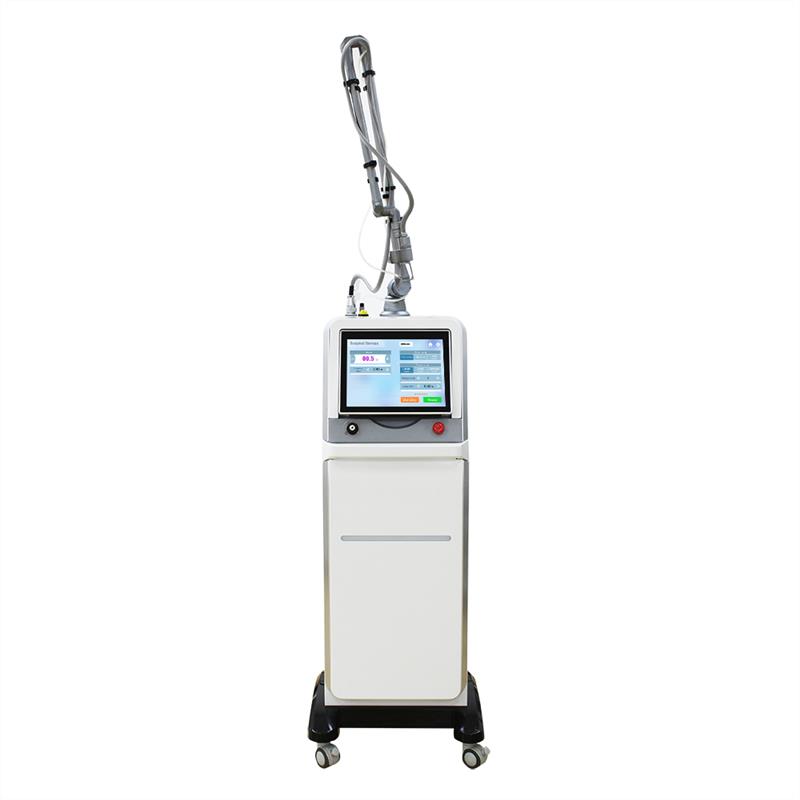
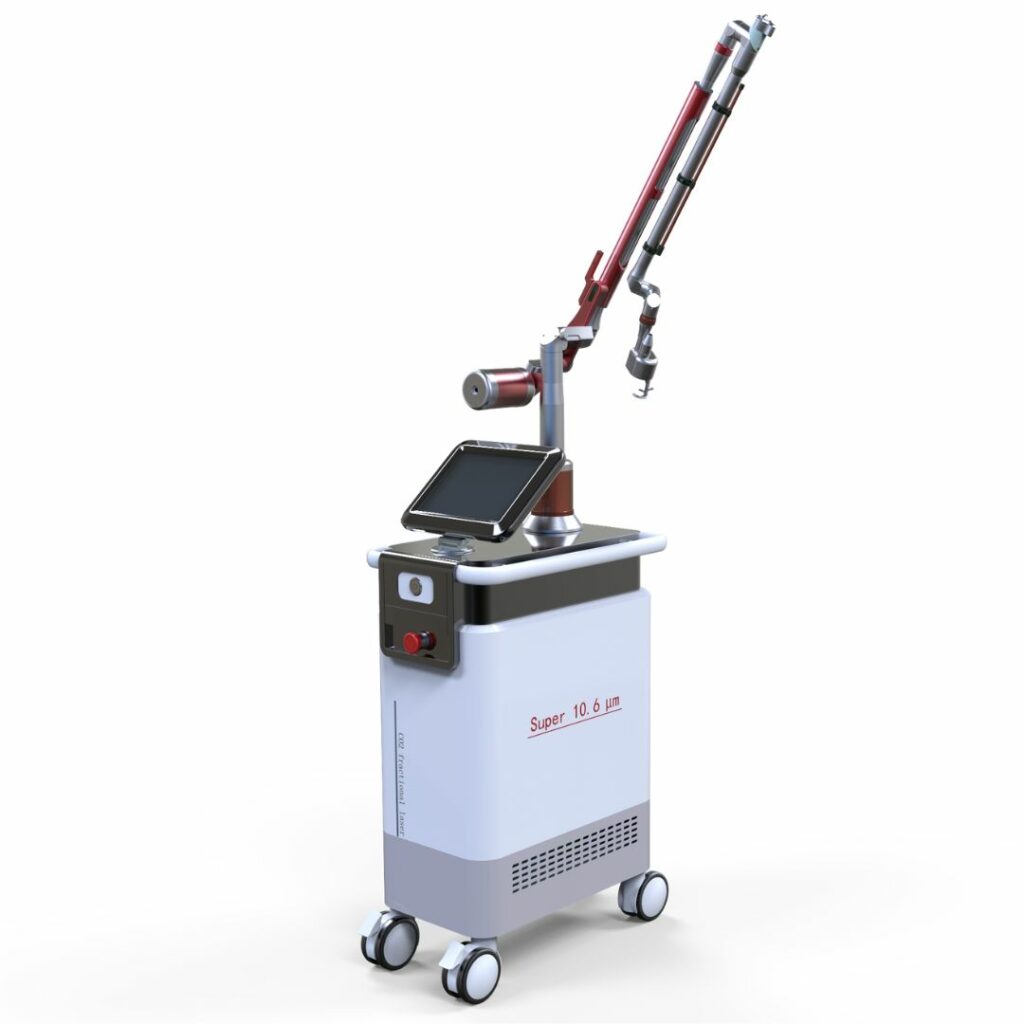
If you want a concrete product reference, use Fotromed’s LaseSmooth Pro as a professional diode laser hair removal platform example. Treat the product page as a configuration starting point. Then verify final wavelength configuration, ドキュメント, トレーニングパッケージ, 保証条件, and market-specific regulatory files before you quote it to a clinic or distributor.
よくある質問
How many sessions are needed for diode laser hair removal?
Most clients need multiple sessions because follicles grow in different phases. Mayo Clinic gives a general 4-8 treatment range for best results. Clinics should still set expectations by body area, hair color, スキンタイプ, hormonal factors, デバイス設定, and maintenance needs.
Is diode laser hair removal painful?
Clients may feel heat or a snapping sensation. Cooling can reduce discomfort, but no clinic should promise “100% 無痛” treatment for everyone. Comfort depends on area, hair density, フルエンス, パルス持続時間, スキンタイプ, 冷却安定性, and operator technique.
Is diode laser hair removal safe for darker skin?
It can be safe for darker skin when the device, 設定, 冷却, and operator training fit the case. The key risk is epidermal melanin competing for energy absorption. Buyers should require darker-skin protocols and clear adverse-event guidance.
Does diode laser hair removal work on blonde or grey hair?
It works less predictably on blonde, グレー, 白, 赤, or very fine hair. These hair types contain less melanin than dark, 粗い髪. Clinics should explain this limitation before they sell a treatment course.
Is 808 nm always better for diode laser hair removal?
いいえ. 808/810 nm is common and useful, but it is not the whole device. Buyers should also evaluate fluence control, パルス持続時間, スポットサイズ, 冷却, contact quality, トレーニング, and the intended skin-type range.
Can diode laser hair removal remove hair permanently?
使用 “永久脱毛” instead of guaranteed permanent removal. Some treated hair may not return, but regrowth can still happen. When hair returns, it may grow back finer or lighter. Some clients need maintenance sessions over time.
Need a Diode Laser Platform for Clinic or Distribution Use?
If you are comparing diode laser configurations for a clinic chain, distributor portfolio, or OEM/ODM project, から始める Lasesmooth Pro and request the model-specific specification sheet, training scope, 保証条件, and regulatory documents for your target market.
このガイドについて
This guide is for clinics, メスパ, 販売代理店, and aesthetic-device buyers who evaluate diode laser hair removal technology. It combines public dermatology references, regulatory sources, and Fotromed manufacturer-side equipment selection experience. Always verify device-specific claims, クリアランス, indications, and accessories against the exact model documentation before purchase or publication.
参考文献 & 情報源
- レーザー脱毛 – NCBIの本棚 / StatPearls.
- レーザー脱毛 – Mayo Clinic.
- ダイオードレーザー: Permanent hair “Reduction” ない “除去” – International Journal of Trichology / PMC.
- レーザー脱毛: よくある質問 – アメリカ皮膚科学会.
- 21 CFR 878.4810 – Laser surgical instrument – eCFR.
- FDA 510(k) K241860 – 私たち. 食品医薬品局.