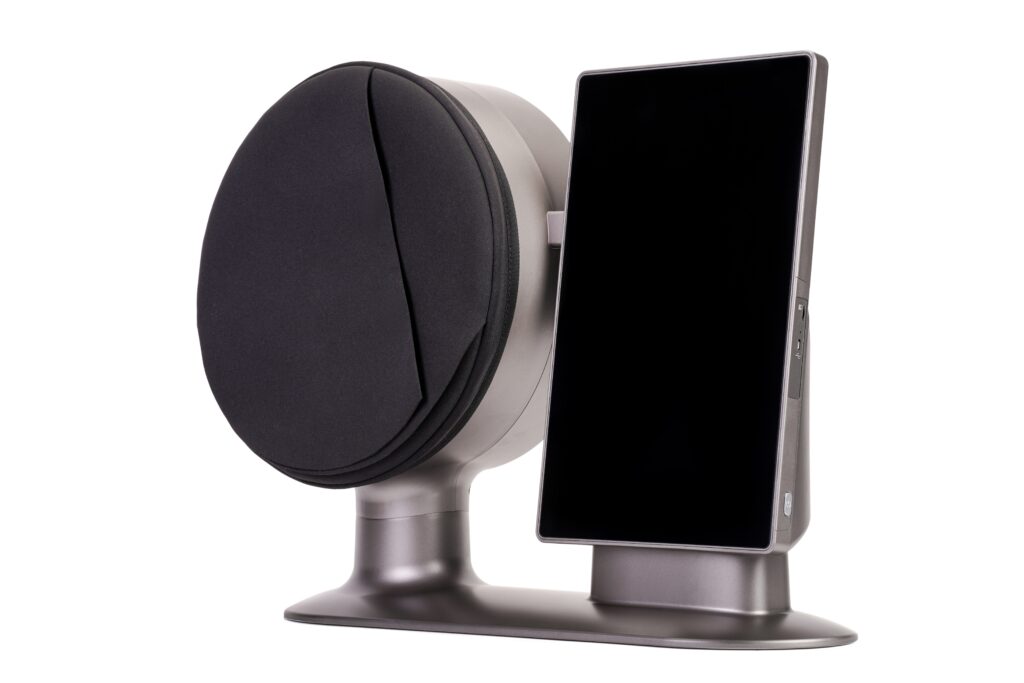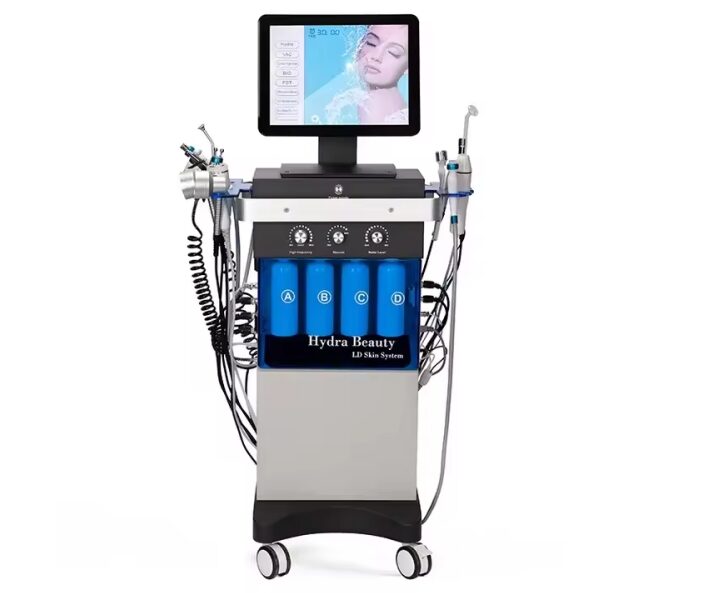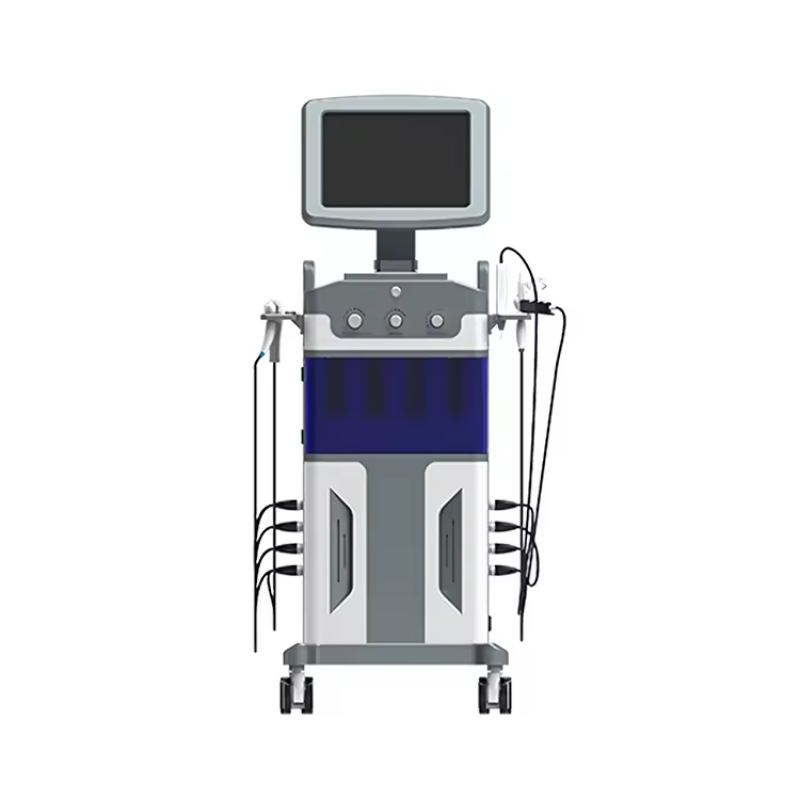
Máy phân tích da tốt nhất cho phòng khám là máy có phương pháp chụp ảnh, độ sâu đo, phần mềm, và quy trình làm việc tiếp theo phù hợp với các dịch vụ của nó. Máy phân tích và chụp ảnh da có thể sử dụng ảnh quang học, hình ảnh 3D đã được hiệu chỉnh, Phần mềm AI, hoặc siêu âm, nhưng những công nghệ này trả lời những câu hỏi khác nhau và không thể thay thế cho nhau. Thị trường cũng đang thay đổi nhanh chóng: McKinsey kỳ vọng thị trường làm đẹp toàn cầu sẽ tăng trưởng khoảng 5% hàng năm và đạt $590 tỷ đồng bằng 2030. Việc áp dụng AI vẫn còn sớm: chỉ một 10% giám đốc điều hành sắc đẹp được khảo sát cho biết họ sử dụng AI thường xuyên, trong khi 60% vẫn đang khám phá nó. Do đó, các phòng khám cần biết thế nào là “thông minh” hệ thống thực sự đo lường và làm thế nào nó phù hợp với các cuộc tư vấn thông thường.
Trước tiên người mua cần loại trừ những khoảng trống về năng lực. Tên sản phẩm tương tự và thông số kỹ thuật rải rác có thể che giấu liệu một chiếc máy có đáp ứng được chức năng mà phòng khám cần hay không. Ngay cả khi tính năng này tồn tại, nó có thể không phù hợp với các dịch vụ ưu tiên của phòng khám, khối lượng quét hàng ngày, quá trình theo dõi, hoặc ngân sách. Phòng khám tiêm, Ví dụ, có thể cần hiệu chỉnh đường viền và thay đổi âm lượng, tuy nhiên một số hệ thống được mô tả là “3D” chỉ tạo một kết xuất bề mặt trực quan. Một phòng khám đa địa điểm có thể chọn một máy cho danh sách dài các nhãn phân tích, sau đó tìm thấy vị trí không nhất quán đó, quyền tài khoản hạn chế, hoặc lịch sử máy khách bị ngắt kết nối khiến việc quét lặp lại khó so sánh. Nhóm nghiên cứu cần độ dày mô cần siêu âm; điểm AI quang học không thể cung cấp nó. Hướng dẫn này so sánh tất cả tám hệ thống trên cùng mười khía cạnh và giữ các thông số được công bố bên cạnh mỗi điểm số, vì vậy người mua có thể hỏi trước tiên liệu khả năng đó có tồn tại hay không và sau đó liệu nó có phù hợp không.
Bài học chính
- Hình ảnh quang học ghi lại các đặc điểm bề mặt và màu sắc, 3D đã hiệu chỉnh đo hình dạng và thể tích, siêu âm kiểm tra mô bên dưới bề mặt, và phần mềm AI tự động hóa việc giải thích hoặc đề xuất. Các chức năng này không thể thay thế cho nhau.
- Ghi lại độ lặp lại, hồ sơ tiến độ, và các báo cáo có thể sử dụng thường quan trọng như số lượng chế độ ánh sáng.
- Chi phí phần mềm, kho, truy cập đa vị trí, điều khiển thư viện sản phẩm, và các tùy chọn xuất phải được kiểm tra trong buổi trình diễn trực tiếp.
- Điểm số trong bài viết này đo lường phạm vi khả năng được ghi lại, không phải độ chính xác của chẩn đoán hoặc kết quả điều trị.
Các tính năng cần tìm ở máy phân tích da: Cách chúng tôi so sánh vị trí hàng đầu 8
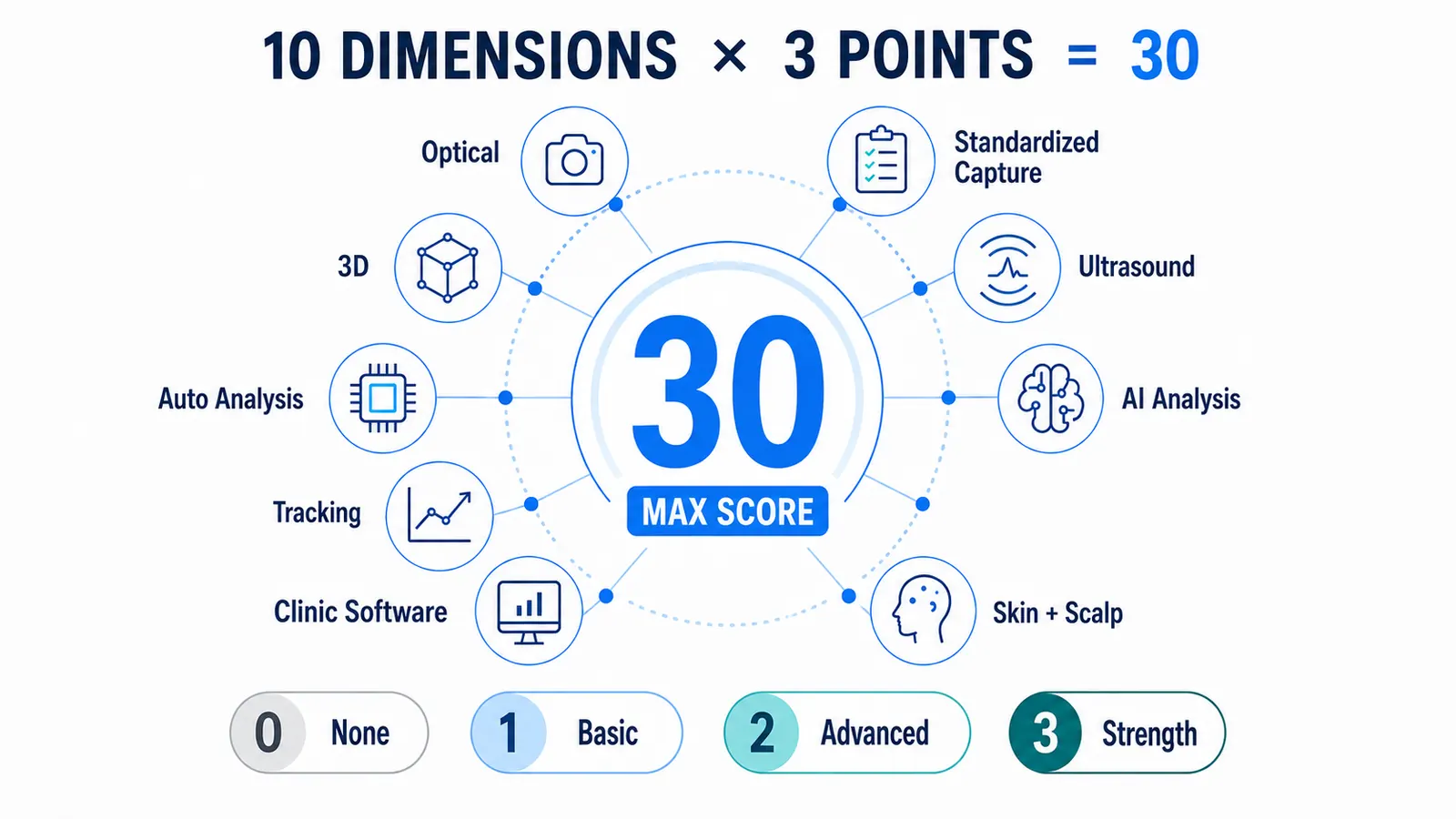
Đối với bài đánh giá chuyên nghiệp này về các thiết bị phân tích da, mọi máy đều được kiểm tra dựa trên mười kích thước giống nhau: hình ảnh quang học, nắm bắt tiêu chuẩn hóa, 3khả năng D, siêu âm hoặc đo mô, phân tích tự động, phân tích AI, theo dõi tiến độ, phần mềm phòng khám, tùy biến, và che phủ da và da đầu. Mỗi chiều nhận được 0 ĐẾN 3 điểm, để có điểm năng lực tối đa được ghi nhận là 30.
Khả năng không có hoặc không được ghi chép công khai.
Có sẵn phiên bản giới hạn hoặc gián tiếp của khả năng.
Khả năng này rất hữu ích cho việc tư vấn chuyên môn thường xuyên.
Khả năng là sức mạnh xác định của hệ thống.
Phân tích tự động và phân tích AI được tính điểm riêng. “Tự động” có nghĩa là phần mềm có thể biến dữ liệu thu được thành số đo, phân loại, sự so sánh, hoặc báo cáo với công việc thủ công hạn chế. “AI” chỉ nhận được điểm khi nhà sản xuất ghi rõ ràng AI hoặc học máy như một phần của việc giải thích hình ảnh; báo cáo tự động không được coi là sử dụng AI. Tùy chỉnh bao gồm các thư viện sản phẩm hoặc điều trị có thể định cấu hình, báo cáo và xây dựng thương hiệu, ngôn ngữ, quyền tài khoản, trường dữ liệu, và API hoặc tích hợp. Các bảng hiển thị thông số máy đằng sau mỗi điểm số, vì vậy số 0 xác định khả năng vắng mặt thay vì tuyên bố toàn bộ máy không hiệu quả.
Đôi khi người tìm kiếm hỏi cách chọn “công cụ phân tích da bằng laser”,nhưng thuật ngữ này thường được sử dụng quá rộng rãi. Hầu hết các hệ thống trong so sánh này là thiết bị chụp ảnh hoặc đo lường sử dụng ánh sáng khả kiến, ánh sáng phân cực, UV, 3máy ảnh D, hoặc siêu âm; chúng không phải là tia laser điều trị. Nền tảng điều trị nằm ngoài phạm vi của bài viết này.
Đứng đầu 8 Máy phân tích da chuyên nghiệp dành cho phòng khám ở 2026
1. Phân tích da VISIA thế hệ tiếp theo (2026)
Canfield ra mắt VISIA thế hệ tiếp theo vào tháng 3 25, 2026. Trong một cú nhấp chuột, hệ thống chụp phía trước, bên trái, và các chế độ xem khuôn mặt tiêu chuẩn bên phải cộng với dữ liệu 3D toàn bộ khuôn mặt, với khả năng chụp 3D tức thì theo tiêu chuẩn, phân cực chéo, và chiếu sáng tia cực tím. Công ty liệt kê tám nhóm tính năng bề mặt và dưới bề mặt: đốm, nếp nhăn, kết cấu, lỗ chân lông, Điểm tia cực tím, RBX nâu, RBX đỏ, và porphyrin. TruSkinTuổi, So sánh với định mức, quay video, và thư viện dịch vụ và điều trị tích hợp được thiết kế để biến những hình ảnh đó thành tài liệu tư vấn.
Đối với một phòng khám có nhiều người điều hành với các lần theo dõi định kỳ, định vị có hướng dẫn và chụp đa góc một chuỗi giúp giảm nguy cơ các nhân viên khác nhau tạo ra các hình ảnh trước và sau không thể so sánh được. Các công cụ 3D Sculptor thêm các phép đo tự động, chênh lệch âm lượng, đường viền, và chế độ xem thang độ xám, mở rộng tài liệu về da sang hình dạng khuôn mặt và tư vấn tiêm. VISIA dễ biện minh nhất khi khối lượng quét và tính nhất quán của nhà điều hành đảm bảo khoản đầu tư. Một phương pháp thực hiện quét chăm sóc da cơ bản không thường xuyên có thể sử dụng ít nền tảng. Nó không đo mô bằng siêu âm hoặc cung cấp quy trình làm việc chuyên dụng cho da đầu, và người mua nên xác nhận rằng bản trình diễn bao gồm khả năng 3D 2026 thế hệ thay vì mô hình 2D trước đó.
| Thứ nguyên so sánh | Thông số máy | Điểm |
|---|---|---|
| Hình ảnh quang học | Tiêu chuẩn, phân cực chéo, và tia cực tím; tám nhóm được liệt kê: đốm, nếp nhăn, kết cấu, lỗ chân lông, Điểm tia cực tím, RBX nâu/đỏ, và porphyrin | 3/3 |
| Nắm bắt tiêu chuẩn hóa | Định vị có hướng dẫn; một cú nhấp chuột phía trước, bên trái, và các chế độ xem tiêu chuẩn bên phải cộng với chụp 3D toàn bộ khuôn mặt | 3/3 |
| 3khả năng D | 3D toàn diện ngay lập tức; đo lường tự động, Sự khác biệt về khối lượng, Đường viền, và Chế độ xám trong Nhà điêu khắc 3D | 3/3 |
| Siêu âm / đo mô | Không có mô-đun siêu âm được liệt kê | 0/3 |
| Phân tích tự động | Phân tích tính năng tự động, So sánh với định mức, TruSkinTuổi, và đầu ra đo 3D | 3/3 |
| phân tích AI | Canfield mô tả 2026 Quy trình làm việc của VISIA được điều khiển bởi AI; tài liệu công khai xác định việc sử dụng AI nhưng cung cấp chi tiết xác thực và đào tạo mô hình hạn chế | 2/3 |
| Theo dõi tiến độ | Bản ghi trước và sau 2D/3D được chuẩn hóa cho các đặc điểm có thể nhìn thấy, đường viền, và chênh lệch khối lượng | 3/3 |
| Phần mềm phòng khám | Hỗ trợ Windows và macOS; quay video, 3D Nhà điêu khắc, và Thư viện thương hiệu ngành | 2/3 |
| Tùy chỉnh | Thư viện thương hiệu ngành và hỗ trợ nội dung điều trị/dịch vụ; nhãn trắng rộng hơn, cánh đồng, và các biện pháp kiểm soát API không được công khai chi tiết | 1/3 |
| Che phủ da và da đầu | Da mặt; không có quy trình làm việc dành riêng cho da đầu được liệt kê | 0/3 |
| Điểm năng lực được ghi lại | 20/30 | |
Tốt nhất cho: Da liễu, phẫu thuật thẩm mỹ, và thiết lập các hoạt động thẩm mỹ với số lượng tư vấn khuôn mặt cao, một số nhà khai thác, và nhu cầu thực sự về chụp ảnh theo dõi 2D/3D được tiêu chuẩn hóa. Ngân sách nên được lên kế hoạch như một hệ thống hình ảnh cố định chuyên nghiệp, với mô-đun 3D, phần mềm, đào tạo, và các điều khoản dịch vụ đã được xác nhận cùng với phần cứng cơ bản. Một cơ sở thực hành với khối lượng thấp chỉ thực hiện các tư vấn chăm sóc da đơn giản có thể gặp khó khăn trong việc sử dụng đủ nền tảng để biện minh cho khoản đầu tư đó..
2. Công ty hoàn hảo. Phân tích da AI
Công ty hoàn hảo. là tùy chọn AI đầu tiên chạy trên phần mềm chạy qua điện thoại, máy tính bảng, hoặc máy ảnh web không có buồng chụp ảnh cố định. Ánh xạ toàn mặt 180° của nó sử dụng ba hình ảnh (đằng trước, bên trái, và đúng) để phát hiện hơn 15 mối quan tâm có thể nhìn thấy và phân loại tám loại da. Công ty hoàn hảo. báo cáo một mô hình được đào tạo về hơn 70,000 điểm dữ liệu cấp y tế, 95% độ tin cậy kiểm tra-kiểm tra lại, và hơn thế nữa 80% mối tương quan với đánh giá của bác sĩ và hình ảnh tiêu chuẩn ngành. Những số liệu đó mô tả các điều kiện thử nghiệm đã nêu của công ty. Họ không cho thấy rằng mọi lần quét phòng khám sẽ cho kết quả giống nhau trên các camera khác nhau, thắp sáng, khoảng cách, và các góc. Người mua nên xác minh khả năng lặp lại bằng xét nghiệm tại phòng khám được tiêu chuẩn hóa.
Giá trị kinh doanh đến từ phạm vi bao phủ điểm tiếp xúc và tích hợp dữ liệu. Skincare Pro thêm hồ sơ khách hàng, lượt xem trước và sau, và theo dõi tiến độ; API và SDK có thể cung cấp kết quả vào nền tảng thương hiệu hoặc phòng khám hiện có; và người giới thiệu có thể kết nối việc phân tích với quy trình chăm sóc da. Độ lặp lại vẫn phụ thuộc vào hình ảnh đầu vào: thay đổi mẫu điện thoại, ánh sáng xung quanh, khoảng cách, hoặc góc có thể làm cho hai lần quét khó có thể so sánh được. Do đó hoàn hảo phù hợp với tư vấn kỹ thuật số quy mô lớn, thu thập từ xa, và khuyến nghị bán lẻ, nhưng nó không phải là sự thay thế tương đương cho hình ảnh phân cực/UV được kiểm soát, hiệu chỉnh 3D, hoặc siêu âm tần số cao.
| Thứ nguyên so sánh | Thông số máy | Điểm |
|---|---|---|
| Hình ảnh quang học | Đầu vào RGB từ điện thoại, viên thuốc, hoặc máy ảnh web; camera trước/sau cộng với các chế độ chụp ảnh và camera trực tiếp | 1/3 |
| Nắm bắt tiêu chuẩn hóa | Mặt trước có hướng dẫn, bên trái, và chụp ảnh bên phải; không có nguồn sáng cố định hoặc phần cứng định vị đầu | 1/3 |
| 3khả năng D | Ánh xạ toàn mặt 180° bằng ba hình ảnh; không có phép đo ảnh lập thể hoặc đo thể tích hiệu chỉnh | 1/3 |
| Siêu âm / đo mô | Không có mô-đun siêu âm được liệt kê | 0/3 |
| Phân tích tự động | Phân tích hai giây của 15+ mối quan tâm và tám loại da, với đầu ra đề xuất tự động | 3/3 |
| phân tích AI | AI là lớp giải thích cốt lõi; công ty tiết lộ nhiều hơn 70,000 điểm dữ liệu đào tạo và kiểm tra độ lặp lại/tương quan | 3/3 |
| Theo dõi tiến độ | Hồ sơ chăm sóc da Pro, lượt xem trước và sau, tiến độ điều trị, và hồ sơ kết quả có thể đo lường được | 3/3 |
| Phần mềm phòng khám | CRM, khuyến nghị về sản phẩm/thói quen, API chế độ chuyên gia, SDK, và triển khai đa kênh dựa trên đám mây | 3/3 |
| Tùy chỉnh | Tích hợp API/SDK, Chế độ chuyên gia, triển khai ứng dụng/web có thương hiệu, và các khuyến nghị về sản phẩm hoặc thói quen có thể định cấu hình | 3/3 |
| Che phủ da và da đầu | Không có quy trình làm việc dành riêng cho da đầu được liệt kê | 0/3 |
| Điểm năng lực được ghi lại | 18/30 | |
Tốt nhất cho: Thương hiệu chăm sóc da, dây chuyền, spa y tế kỹ thuật số đầu tiên, và các chuyên gia thẩm mỹ độc lập cần cùng một khái niệm tư vấn trên điện thoại, iPad, các trang web, và các kênh từ xa. Nó cũng phù hợp với các doanh nghiệp muốn kết nối phân tích với CRM, khuyến nghị sản phẩm, hoặc một ứng dụng độc quyền. Hệ thống có thể giảm ngân sách trả trước cho phần cứng chụp ảnh chuyên dụng, nhưng cấp phép doanh nghiệp, Tích hợp API/SDK, khối lượng quét, lưu trữ đám mây, và phát triển tùy chỉnh có thể tạo ra chi phí định kỳ. Người mua nên lập mô hình giấy phép dựa trên khối lượng quét thực tế.
3. Fotromed DermaVision Master
DermaVision Master sử dụng ba camera để chụp và phân tích 18 bên trái, trung tâm, và hình ảnh khuôn mặt bên phải trong một chuỗi định vị. Tài liệu hướng dẫn sử dụng của nó có chín loại hình ảnh quang phổ: ánh sáng trắng, Ánh sáng phân cực chéo, ánh sáng phân cực song song, UV, Ánh sáng của gỗ, tia cực tím tổng hợp, màu đỏ, màu nâu, và phân bố sắc tố. So sánh với một bức ảnh RGB phía trước, tập dữ liệu này được thiết kế để so sánh giữa các bên và giữa các phổ. Tấm chắn ánh sáng từ tính, tựa cằm có thể điều chỉnh, và chụp ba góc một chuỗi làm giảm sự thay đổi từ ánh sáng xung quanh và tái định vị lặp đi lặp lại.
DermaVision Master kết hợp toàn mặt, da siêu nhỏ, da đầu, hình dung kem chống nắng, và quy trình làm việc về độ ẩm từng phần trong một hệ thống. Báo cáo định lượng nhóm 7 chỉ số mụn, bốn chỉ số độ nhạy, sáu chỉ số sắc tố, và bốn chỉ số lão hóa. Phần mềm lưu giữ lịch sử đầy đủ, so sánh quang phổ và thể loại, và hồ sơ vụ án. Tài khoản chính/phụ, thống kê, tải lên và đề xuất sản phẩm phòng khám, bảng cấu hình và sao chép, nhiều ngôn ngữ, và cập nhật các biện pháp kiểm soát hỗ trợ việc sử dụng phòng khám hàng ngày.
Trải nghiệm thử nghiệm và giao hàng thực tế
Chúng tôi đã cung cấp giải pháp DermaVision Master cho một nhóm spa ở Vương quốc Anh với năm địa điểm, bao gồm thiết kế logo tùy chỉnh và quyền truy cập API chuyên dụng vào hệ thống quản lý khách hàng phụ trợ. Điều này cho phép nhóm quản lý hồ sơ khách hàng, dữ liệu phân tích lịch sử và đề xuất chăm sóc da trên tất cả năm địa điểm.
| Thứ nguyên so sánh | Thông số máy | Điểm |
|---|---|---|
| Hình ảnh quang học | Chụp ba camera; 18 xem trên chín loại hình ảnh quang phổ được ghi lại | 3/3 |
| Nắm bắt tiêu chuẩn hóa | Tấm chắn ánh sáng từ tính, tựa cằm có thể điều chỉnh, và chụp một chuỗi trái/giữa/phải | 2/3 |
| 3khả năng D | 3Cắt mô phỏng D, mở rộng địa phương, và bản đồ nhiệt kết cấu | 1/3 |
| Siêu âm / đo mô | Không có mô-đun siêu âm được liệt kê | 0/3 |
| Phân tích tự động | Báo cáo định lượng và báo cáo bộ phận: bảy mụn trứng cá, bốn độ nhạy, sáu sắc tố, và bốn chỉ số lão hóa | 2/3 |
| phân tích AI | Phân tích thuật toán và hình ảnh da AI | 2/3 |
| Theo dõi tiến độ | Chế độ xem quang phổ, chỉ số phòng ban, lịch sử kiểm tra khách hàng đầy đủ, và quản lý trường hợp | 3/3 |
| Phần mềm phòng khám | Tài khoản chính/phụ, thống kê, tải lên/đề xuất sản phẩm phòng khám, bảng điều khiển/sao chép/dữ liệu, ngôn ngữ, và cập nhật | 3/3 |
| Tùy chỉnh | Tùy chọn OEM/ODM đầy đủ bao gồm logo, màu máy, màn hình khởi động, khuyến nghị chăm sóc da tùy chỉnh, báo cáo, ngôn ngữ, hình mờ, và quyền tài khoản | 3/3 |
| Che phủ da và da đầu | nguyên mặt; Da vi mô năm vùng với ba nguồn sáng; da đầu/tóc; hình ảnh kem chống nắng; độ ẩm cắt | 2/3 |
| Điểm năng lực được ghi lại | 21/30 | |
Tốt nhất cho: Bậc thầy DermaVision phù hợp với spa y tế, phòng khám điều trị da, và các trung tâm da và tóc kết hợp cần chăm sóc da mặt, kính hiển vi, da đầu, hoặc tư vấn kem chống nắng cộng với lịch sử khách hàng, báo cáo, và thư viện sản phẩm thuộc sở hữu của phòng khám. Trường hợp ngân sách mạnh nhất đối với một cơ sở thực hành muốn có một nền tảng để giảm việc mua kính hiển vi da đầu riêng lẻ, máy đo độ ẩm, và phần mềm đề xuất độc lập.
4. Cortex DermaScan
DermaScan là hệ thống duy nhất trong danh sách này được thiết kế đặc biệt để ghi lại hình ảnh siêu âm cắt ngang của da. Của nó 20 Và 50 Đầu dò băng thông rộng MHz minh họa trực tiếp sự cân bằng độ phân giải: Một 20 Cấu hình MHz cung cấp 60 × 150 Độ phân giải µm lên đến 14 thâm nhập mm, hoặc 60 × 200 µm với tối đa 23 thâm nhập mm; các 50 Tùy chọn MHz cung cấp 30 × 60 Độ phân giải µm lên đến 7 thâm nhập mm. Tần số cao hơn cho thấy chi tiết bề ngoài mịn hơn nhưng không thấm sâu bằng.
Hệ thống quét theo thời gian thực tại 6 ĐẾN 8 khung hình mỗi giây, hỗ trợ chế độ A/B, và ghi lại một vòng quay phim tự động gồm 100 hình ảnh. Phần mềm Windows thêm ROI, phát hiện cạnh, phân đoạn cường độ, Xuất TIFF/JPG, và so sánh định lượng. Nó đo độ dày, cường độ tiếng vang, và mô mềm dưới bề mặt mà ảnh quang học không thể chụp được, phù hợp với nghiên cứu lâm sàng, thử nghiệm hiệu quả mỹ phẩm, và phát triển sản phẩm. Nó không tự động tạo ra lỗ chân lông, sắc tố, hoặc báo cáo bán hàng điều trị và không được thiết kế cho quy trình tư vấn bán lẻ giống như máy phân tích toàn diện.
| Thứ nguyên so sánh | Thông số máy | Điểm |
|---|---|---|
| Hình ảnh quang học | Hình ảnh thang độ xám chế độ B và hiển thị tiếng vang chế độ A để đánh giá mô da cục bộ | 3/3 |
| Nắm bắt tiêu chuẩn hóa | Đầu dò buồng kín; giao thức dựa trên liên hệ với một địa điểm quét được xác định | 3/3 |
| 3khả năng D | Không có tính năng chụp khuôn mặt 3D được liệt kê | 0/3 |
| Siêu âm / đo mô | 20 MHz: 60 × 150 µm/14 mm hoặc 60 × 200 µm/23 mm; 50 MHz: 30 × 60 µm/7mm | 3/3 |
| Phân tích tự động | Chế độ A/B, ROI, phát hiện cạnh, phân đoạn cường độ, thu được lợi nhuận, và tính toán định lượng | 3/3 |
| phân tích AI | Không có giải thích hình ảnh AI hoặc máy học nào được liệt kê trong thông tin sản phẩm được đánh giá | 0/3 |
| Theo dõi tiến độ | 6 ĐẾN 8 khung hình/giây và cineloop tự động 100 khung hình; lưu trữ riêng lẻ và đầy đủ để so sánh | 3/3 |
| Phần mềm phòng khám | Giao diện Windows với tính năng tự động lưu, thu phóng/cuộn, và chuyển đổi hình ảnh TIFF/JPG | 2/3 |
| Tùy chỉnh | Nhận được, ROI, sự phân chia, và các thông số đo lường có thể được cấu hình cho các dự án nghiên cứu | 2/3 |
| Che phủ da và da đầu | Đo mô da; không có quy trình tư vấn da đầu chuyên dụng | 0/3 |
| Điểm năng lực được ghi lại | 19/30 | |
Tốt nhất cho: Nghiên cứu lâm sàng và da liễu, thử nghiệm hiệu quả mỹ phẩm, và các nhóm phát triển sản phẩm đặc biệt cần da mặt cắt ngang, độ dày, hoặc dữ liệu cường độ tiếng vang ở các độ sâu khác nhau. Ngân sách chỉ hợp lý khi đầu ra siêu âm cung cấp một quy trình nghiên cứu hoặc dịch vụ chuyên khoa có tính phí, và nó nên bao gồm lựa chọn 20/50 đầu dò MHz, phần mềm, đào tạo điều hành, bảo hành, và nâng cấp trong tương lai. Để được tư vấn bán lẻ trực quan nhanh chóng, một nền tảng siêu âm chuyên dụng thường là việc sử dụng sai ngân sách.
5. Canfield VECTRA M3
VECTRA M3 là hệ thống chụp ảnh lập thể cố định cho khuôn mặt, cổ , và thiệt hại. Danh sách Canfield 1.2 độ phân giải hình học mm, được biểu thị bằng chiều dài cạnh tam giác, và một 3.5 thời gian chụp mili giây. Nhiều máy ảnh và bộ đèn flash tích hợp đóng băng hình học khuôn mặt và tạo ra mô hình 3D có thể xoay. Dữ liệu này trả lời các câu hỏi về đường viền, sự đối xứng, phép chiếu, và thể tích chứ không phải nhãn lỗ chân lông hoặc sắc tố được tạo ra bởi máy quét da bằng tia cực tím hoặc ánh sáng phân cực.
Face Sculptor hỗ trợ đo tự động, chênh lệch âm lượng, ánh xạ khoảng cách màu, mô phỏng đường viền, và theo dõi không đánh dấu; RBX tách chữ ký màu đỏ và nâu. Đối với thuốc tiêm, nâng mũi, thang máy, hoặc các thủ tục đường viền, những công cụ này biến nhiếp ảnh thành hình dạng có cấu trúc và so sánh khối lượng. Hệ thống chiếm khoảng 122 × 56 × 180 cm và sử dụng máy tính chụp ảnh được cấu hình Canfield, không gian vậy, chi phí vốn, và yêu cầu đào tạo cao hơn so với máy phân tích trên máy tính để bàn. Canfield cũng tuyên bố rằng các mô phỏng hỗ trợ tư vấn và không đảm bảo kết quả hoặc thay thế các phép đo thích hợp trước phẫu thuật..
| Thứ nguyên so sánh | Thông số máy | Điểm |
|---|---|---|
| Hình ảnh quang học | Chụp ảnh nhiều camera độ phân giải cao; Xử lý RBX tách chữ ký màu đỏ và nâu | 3/3 |
| Nắm bắt tiêu chuẩn hóa | Đã sửa lỗi đo ảnh lập thể và đèn flash thông minh tích hợp; 3.5 chụp ms; 122 × 56 × 180 cm | 3/3 |
| 3khả năng D | 1.2 độ phân giải hình học mm; Nhà điêu khắc khuôn mặt, đo lường tự động, chênh lệch âm lượng, bản đồ màu, và mô phỏng đường viền | 3/3 |
| Siêu âm / đo mô | Không có mô-đun siêu âm được liệt kê | 0/3 |
| Phân tích tự động | Đo khuôn mặt tự động, tính toán chênh lệch khối lượng, ánh xạ khoảng cách màu, và theo dõi bề mặt không đánh dấu | 3/3 |
| phân tích AI | Không có giải thích hình ảnh AI hoặc máy học nào được liệt kê rõ ràng trong các tài liệu VECTRA M3 được đánh giá | 0/3 |
| Theo dõi tiến độ | 3Đường viền căn chỉnh D, âm lượng, và so sánh khoảng cách màu; quan điểm trước/sau điều trị và mô phỏng | 3/3 |
| Phần mềm phòng khám | Chụp VECTRA, Nhà điêu khắc khuôn mặt, RBX, 3Phân tích D, và các công cụ Mirror 2D; báo cáo và ViewMyConsult | 3/3 |
| Tùy chỉnh | Mô phỏng mô-đun có thể cấu hình, đo lường, và quy trình làm việc báo cáo tư vấn | 3/3 |
| Che phủ da và da đầu | Hình ảnh da mặt và cổ; không có quy trình làm việc trên da đầu | 1/3 |
| Điểm năng lực được ghi lại | 22/30 | |
Tốt nhất cho: Phẫu thuật thẩm mỹ và thực hành thẩm mỹ cao cấp có doanh thu cốt lõi từ thuốc tiêm, tạo hình khuôn mặt, nâng mũi, hoặc tư vấn tái tạo và cần hiệu chỉnh hình dạng 3D, đo lường, và hồ sơ thay đổi âm lượng. Đây là nguồn vốn lớn, hệ thống chuyên gia tốn nhiều không gian. Ngân sách nên bao gồm phần cứng, máy tính được cung cấp, module phần mềm, đào tạo, và hơn một mét không gian có chiều rộng cố định. Nếu nhu cầu chính là giới thiệu sản phẩm, hình ảnh lỗ chân lông, hoặc phân tích da đầu, ngân sách đó khó có thể mang lại lợi nhuận thỏa đáng.
6. Mét veraface
VeraFace là một thiết bị kèm theo được thiết kế để tư vấn khuôn mặt nhanh chóng. Nó sử dụng RGB, UV, và ánh sáng phân cực để tạo ra phân tích 12 yếu tố. Nhà cung cấp liệt kê màn hình 15,6 inch, thông số hình ảnh 20MP, và hoàn thành một phân tích toàn diện về 15 giây; kích thước được công bố là khoảng 45 × 35 × 55 cm tại 11.2 kg. Những số liệu này giải quyết hai câu hỏi thực tế về spa y tế: liệu thiết bị có phù hợp với phòng tư vấn mà không cần quy hoạch không gian lớn hay không, và liệu quá trình quét có trở thành nút cổ chai trong quá trình nạp khối lượng lớn hay không.
So sánh với AI di động, vỏ bọc giúp kiểm soát đầu vào hình ảnh lặp lại dễ dàng hơn. So sánh với VISIA hoặc VECTRA M3, VeraFace nhấn mạnh một lộ trình đơn giản hơn đến báo cáo mà khách hàng có thể đọc được, khuyến nghị dịch vụ phòng khám, và đánh giá trước và sau thay vì quy trình nghiên cứu hoặc 3D chuyên nghiệp. Nó không cung cấp dữ liệu âm lượng 3D hoặc siêu âm tần số cao được hiệu chỉnh. Giá cả và tài trợ công khai khác nhau tùy theo khu vực, vì vậy vận chuyển hàng hóa, đào tạo, bảo hành, Cập nhật phần mềm, và cần kiểm tra hỗ trợ địa phương thay vì sao chép giá từ một quốc gia khác.
| Thứ nguyên so sánh | Thông số máy | Điểm |
|---|---|---|
| Hình ảnh quang học | 20Thông số hình ảnh MP; RGB, UV, và ánh sáng phân cực; nhà cung cấp liệt kê các dấu hiệu lão hóa, Thiệt hại tia cực tím, và nếp nhăn | 3/3 |
| Nắm bắt tiêu chuẩn hóa | Bao vây được kiểm soát; 15.6-màn hình hiển thị inch; khoảng 45 × 35 × 55 cm và 11.2 kg | 3/3 |
| 3khả năng D | Không có bản chụp 3D nào được liệt kê công khai | 0/3 |
| Siêu âm / đo mô | Không có mô-đun siêu âm được liệt kê | 0/3 |
| Phân tích tự động | Khoảng 15 giây để phân tích 12 yếu tố với các khuyến nghị về dịch vụ phòng khám | 2/3 |
| phân tích AI | VeraFace được tiếp thị với các thuật toán hỗ trợ AI để giải thích yếu tố da; chi tiết xác nhận và đào tạo mô hình công khai còn hạn chế | 2/3 |
| Theo dõi tiến độ | Lịch sử khách hàng, báo cáo theo dõi, và so sánh hình ảnh trước và sau điều trị | 3/3 |
| Phần mềm phòng khám | 15.6-màn hình inch trên thiết bị; báo cáo khách hàng, gợi ý chăm sóc da cá nhân, và hỗ trợ lập kế hoạch điều trị | 2/3 |
| Tùy chỉnh | Quy trình báo cáo và đề xuất dựa trên dịch vụ có thể phản ánh ưu đãi của phòng khám; không liệt kê API/SDK công khai hoặc các biện pháp kiểm soát nhãn trắng chuyên sâu | 2/3 |
| Che phủ da và da đầu | Không có chế độ phân tích da đầu nào được liệt kê | 0/3 |
| Điểm năng lực được ghi lại | 17/30 | |
Tốt nhất cho: Spa y tế, Spa, và các phòng khám thẩm mỹ với số lượng tư vấn hàng ngày cao muốn quét trong khoảng thời gian 15 giây và một báo cáo trực quan dẫn nhanh đến cuộc thảo luận về dịch vụ hoặc chăm sóc da. Nó phù hợp với ngân sách thiết bị chuyên dụng tầm trung: được kiểm soát nhiều hơn phần mềm di động, mà không phải trả tiền cho siêu âm 3D hoặc siêu âm nghiên cứu cấp độ phẫu thuật. Sử dụng báo giá địa phương để lập mô hình vận chuyển hàng hóa, tài chính, bảo hành, phần mềm, và hỗ trợ thay vì dựa vào giá trang web của khu vực khác.
7. Giai điệu thuần khiết Mark-Vũ
Mark-Vu sử dụng bốn chế độ chụp (Bình thường, gương soi, phân cực, và tia cực tím) để tạo ra 14 quan điểm phân tích. Ống kính tiêu cự cố định tránh lấy nét lại giữa các lần truy cập, rèm cản sáng làm giảm ánh sáng bên ngoài, và một hướng dẫn pallet định vị quay phía trước, bên trái, và chụp phải. Những biện pháp kiểm soát này không chứng minh tính chính xác lâm sàng của một kết quả phân tích cụ thể, nhưng chúng cải thiện tính nhất quán trong tiêu điểm, ánh sáng xung quanh, và góc đầu cho các bản ghi trước và sau.
Để sử dụng dữ liệu, Mark-Vu kết hợp các tập tin khách hàng, lịch sử điều trị, so sánh trước sau, mô phỏng trực quan, và các báo cáo được gửi bằng mã QR, PDF, hoặc email. Trình xem 3D của nó hỗ trợ đánh giá và tư vấn trực quan, nhưng tài liệu quảng cáo không mô tả phép đo ảnh lập thể hoặc phép đo thể tích đã hiệu chỉnh. Do đó, nó được hiểu rõ nhất là một hệ thống báo cáo có thể chia sẻ và chụp ảnh lặp lại., không phải là thiết bị siêu âm hoặc thiết bị lập kế hoạch thể tích phẫu thuật.
| Thứ nguyên so sánh | Thông số máy | Điểm |
|---|---|---|
| Hình ảnh quang học | Bốn chế độ chụp: Bình thường, gương soi, phân cực, và tia cực tím; phần mềm tạo ra 14 quan điểm phân tích | 3/3 |
| Nắm bắt tiêu chuẩn hóa | Ống kính tiêu cự cố định, rèm chắn sáng, thao tác một chạm, và pallet quay; góc nhìn phía trước/trái/phải | 2/3 |
| 3khả năng D | 3D Viewer để đánh giá trực quan; không có đặc điểm kỹ thuật âm lượng hiệu chỉnh | 2/3 |
| Siêu âm / đo mô | Không có mô-đun siêu âm được liệt kê | 0/3 |
| Phân tích tự động | 14 quan điểm phân tích, 3Trình xem D, và mô phỏng trực quan; không có tài liệu tính toán khối lượng hiệu chuẩn | 2/3 |
| phân tích AI | Pure Tone mô tả việc xử lý phần mềm Mark-Vu là phân tích dựa trên AI; Chi tiết về đào tạo mô hình và xác thực bên ngoài không được công bố | 2/3 |
| Theo dõi tiến độ | Lịch sử điều trị của khách hàng, hình ảnh trước và sau cùng góc, và hồ sơ mô phỏng | 2/3 |
| Phần mềm phòng khám | Tập tin và lịch sử của khách hàng; báo cáo được chia sẻ bằng mã QR, PDF, hoặc email | 2/3 |
| Tùy chỉnh | Chia sẻ báo cáo, tùy chọn tệp khách hàng, và cấu hình giao diện cơ bản | 2/3 |
| Che phủ da và da đầu | Không có chế độ phân tích da đầu nào được liệt kê | 0/3 |
| Điểm năng lực được ghi lại | 17/30 | |
Tốt nhất cho: Thực hành thẩm mỹ và làm đẹp muốn có tiêu điểm cố định, điều khiển ánh sáng, chụp ảnh ba góc cộng với giáo dục khách hàng, so sánh lịch sử, và báo cáo QR/PDF/email. Ngân sách cho một hệ thống hình ảnh đa phổ chuyên dụng thay vì phần mềm máy tính bảng đơn giản, và xác nhận xem báo cáo, kho, 3Trình xem D, Cập nhật phần mềm, và đào tạo được bao gồm hoặc được cấp phép riêng. Một cơ sở thực hành cần dữ liệu về khối lượng hoặc da đầu đã được hiệu chỉnh nên chuyển ngân sách đó sang một công nghệ khác.
8. Máy quan sát Sylton 520x
OBSERV 520x được điều khiển thông qua ứng dụng iPad. Chẩn đoán da của nó + Gói ngoại hình cung cấp tám chế độ ánh sáng, bao gồm cả đèn True UV và đèn Wood, trong khi gói thẩm mỹ với 360 Ánh sáng mở rộng hệ thống lên mười chế độ. Định vị khuôn mặt được cấp bằng sáng chế, tựa cằm tiện dụng, hình ảnh năm góc, và thời gian chụp trung bình khoảng 10 giây được thiết kế để nhanh chóng tạo ra các bản ghi nhiều ánh sáng có thể lặp lại. Vào khoảng 32 × 43 × 63 cm và 11.2 kg, việc di chuyển giữa các phòng tư vấn dễ dàng hơn so với một trạm làm việc 3D cố định lớn.
Phần mềm nhấn mạnh vào việc giải thích có hướng dẫn thay vì một điểm tổng thể không rõ ràng: người thực hành có thể so sánh các chế độ ánh sáng, chú thích hình ảnh bằng FaceNotes, tạo báo cáo động, và sử dụng lớp phủ Ghost để tái tạo vị trí đầu lịch sử. Danh mục sản phẩm và phương pháp điều trị liên kết các quan sát với nội dung tư vấn của cơ sở thực hành. 360 Ánh sáng, Sự hài hòa trên khuôn mặt, và chế độ xem thang độ xám trực quan hóa đường viền và hình dạng bề mặt, nhưng Sylton không ghi lại chúng dưới dạng phép đo khối lượng hoặc lưới 3D đã được hiệu chỉnh. Bởi vì tám chế độ, mười chế độ, Và 360 Cấu hình ánh sáng khác nhau, báo giá phải chỉ rõ gói chính xác cộng với các điều khoản về danh mục và bản ghi đám mây.
| Thứ nguyên so sánh | Thông số máy | Điểm |
|---|---|---|
| Hình ảnh quang học | Tám chế độ trong Chẩn đoán da + Vẻ bề ngoài, bao gồm cả đèn True UV và đèn Wood; gói thẩm mỹ đạt tới mười | 3/3 |
| Nắm bắt tiêu chuẩn hóa | Định vị được cấp bằng sáng chế, tựa cằm tiện dụng, và năm góc; Về 10 giây; 32 × 43 × 63 cm, 11.2 kg | 3/3 |
| 3khả năng D | 360 Trực quan hóa đường viền đa góc bằng ánh sáng để xem xét các thay đổi về hình dạng khuôn mặt và bóng sáng | 3/3 |
| Siêu âm / đo mô | Không có mô-đun siêu âm được liệt kê | 0/3 |
| Phân tích tự động | Tự động chuyển đổi chế độ ánh sáng với chế độ xem giao diện tương đương và báo cáo động | 3/3 |
| phân tích AI | Giải thích diện mạo đa ánh sáng và phân tích đặc điểm da được hỗ trợ bởi AI | 2/3 |
| Theo dõi tiến độ | Lớp phủ vị trí lịch sử ma, so sánh trước và sau giống nhau, hồ sơ theo dõi, và báo cáo động | 3/3 |
| Phần mềm phòng khám | ứng dụng iPad, Bluetooth 4.1, khuôn mặtghi chú, báo cáo động, và danh mục sản phẩm/điều trị | 3/3 |
| Tùy chỉnh | Danh mục sản phẩm/điều trị có thể định cấu hình và quy trình báo cáo động; tùy chọn cấp gói khác nhau tùy theo cấu hình | 2/3 |
| Che phủ da và da đầu | Da mặt; không có quy trình phân tích da đầu chuyên dụng nào được liệt kê | 0/3 |
| Điểm năng lực được ghi lại | 22/30 | |
Tốt nhất cho: Phòng khám thẩm mỹ, Spa, và các chuyên gia về da cần chụp ảnh năm góc nhanh, giáo dục khách hàng đa ánh sáng, và các báo cáo dựa trên iPad, Lớp phủ ma, và danh mục sản phẩm/điều trị. Ngân sách theo cấu hình thay vì tên mẫu máy: tám chế độ, mười chế độ, 360 Ánh sáng, hồ sơ đám mây, và quyền truy cập danh mục có thể nằm trong các gói khác nhau. Đối với một thực hành nhỏ hơn, tính di động và khả năng chụp nhanh có thể tạo ra nhiều ứng dụng thực tế hơn máy trạm 3D lớn hơn.
So sánh hình ảnh và phân tích
So sánh thiết bị phân tích da này kết hợp các thông số kỹ thuật phần cứng công cộng với bốn điểm đo và thu thập hình ảnh. Một tham số được hiển thị trước điểm của nó để số đó vẫn có thể theo dõi được theo khả năng được ghi lại.
| Máy móc | Máy ảnh / Chiếm lấy | Hình ảnh quang học | Tiêu chuẩn hóa nắm bắt | 3D Khả năng | Siêu âm / Đo mô |
|---|---|---|---|---|---|
| VISIA thế hệ tiếp theo (2026) | Chụp khuôn mặt 2D và 3D tức thì; quay video | Tiêu chuẩn, phân cực chéo, và tia cực tím (3/3) | Hệ thống chụp được điều khiển chuyên dụng (3/3) | 3Mô hình khuôn mặt D và sự thay đổi thể tích có thể đo lường được (3/3) | Không bao gồm (0/3) |
| Công ty hoàn hảo. Phân tích da AI | Điện thoại tương thích, viên thuốc, hoặc máy ảnh web | Hình ảnh thiết bị RGB tiêu chuẩn (1/3) | Chụp có hướng dẫn, nhưng môi trường vẫn phụ thuộc vào thiết bị (1/3) | 180° lập bản đồ khuôn mặt thay vì chụp khối lượng hiệu chỉnh (1/3) | Không bao gồm (0/3) |
| Fotromed DermaVision Master | Hệ thống ba camera; 18 hình ảnh trái/giữa/phải trong một chuỗi | Chín loại hình ảnh quang phổ được ghi lại (3/3) | Tấm chắn ánh sáng từ tính và tựa cằm có thể điều chỉnh (2/3) | 3Bản đồ nhiệt kết cấu và cắt lát mô phỏng D (1/3) | Không bao gồm (0/3) |
| Cortex DermaScan | 20 hoặc 50 Đầu dò siêu âm MHz; 6 ĐẾN 8 khung hình/giây | Hình ảnh thang độ xám chế độ B và hiển thị tiếng vang chế độ A (3/3) | Đầu dò buồng kín và vị trí quét cố định (3/3) | Không bao gồm (0/3) | Lên đến 23 Độ xuyên mm tùy thuộc vào đầu dò/cấu hình (3/3) |
| Canfield VECTRA M3 | Đã sửa lỗi chụp khuôn mặt và cổ có độ phân giải cao bằng nhiều camera | Chụp ảnh nhiều camera độ phân giải cao với hình ảnh màu đỏ/nâu RBX (3/3) | Hình học chụp cố định chuyên dụng (3/3) | 3mô phỏng D, đo lường tự động, chênh lệch âm lượng (3/3) | Không bao gồm (0/3) |
| Mét veraface | 20MP; chụp kèm theo; 15.6-màn hình inch | RGB, UV, và ánh sáng phân cực (3/3) | Chụp kèm theo có kiểm soát (3/3) | Không được niêm yết công khai (0/3) | Không bao gồm (0/3) |
| Giai điệu thuần khiết Mark-Vũ | Ống kính tiêu cự cố định; đằng trước, bên trái, và chánh kiến | Bình thường, gương soi, phân cực, và tia cực tím (3/3) | Rèm chắn sáng và pallet định vị xoay (2/3) | 3D Viewer để đánh giá trực quan (2/3) | Không bao gồm (0/3) |
| Máy quan sát Sylton 520x | điều khiển bằng iPad; chụp năm góc; Về 10 giây | Tám chế độ cốt lõi; thêm một số cấu hình 360 Ánh sáng và thang độ xám (3/3) | Định vị được cấp bằng sáng chế, tựa cằm, và lớp phủ ma quái (3/3) | 360 Hiển thị đường viền đa góc nhẹ nhàng (3/3) | Không bao gồm (0/3) |
So sánh việc sử dụng phần mềm và phòng khám
Bảng thứ hai cho điểm sáu phân tích, phần mềm, và thứ nguyên quy trình công việc và hiển thị tổng số 30. Tổng số là hữu ích nhất để xem chiều rộng tính năng; cột “Tốt nhất cho” sẽ có trọng lượng hơn khi chọn một phòng khám cụ thể.
| Máy móc | Phân tích tự động | Phân tích AI | Theo dõi tiến độ | Phần mềm phòng khám | Tùy chỉnh | Da + Da đầu | Tổng cộng | Mô hình thương mại | Tốt nhất cho |
|---|---|---|---|---|---|---|---|---|---|
| VISIA thế hệ tiếp theo (2026) | Phân tích tính năng, chuẩn mực, tuổi, và đầu ra 3D (3/3) | Được điều khiển rõ ràng bởi AI; chi tiết mô hình công cộng hạn chế (2/3) | Tài liệu trước và sau được chuẩn hóa mạnh mẽ (3/3) | Quy trình báo cáo và tư vấn chuyên nghiệp (2/3) | Thư viện thương hiệu ngành; chi tiết về API công khai/nhãn trắng có giới hạn (1/3) | Chỉ có da mặt (0/3) | 20/30 | Báo giá nhà sản xuất/nhà phân phối | Da liễu và các phòng khám thẩm mỹ được thành lập |
| Công ty hoàn hảo. Phân tích da AI | 15+ mối quan tâm và đề xuất trong khoảng hai giây (3/3) | Lớp AI cốt lõi với dữ liệu xác thực và đào tạo được tiết lộ (3/3) | Hồ sơ, lịch sử, trước và sau, tiến triển (3/3) | CRM, liên kết sản phẩm, API/SDK, triển khai đa kênh (3/3) | API/SDK, triển khai thương hiệu, kiểm soát đề xuất (3/3) | Không có chế độ da đầu chuyên dụng được liệt kê (0/3) | 18/30 | Gói đăng ký và doanh nghiệp | Tư vấn về phần mềm và đa kênh |
| Fotromed DermaVision Master | Phân tích mối quan tâm định lượng và nhóm (2/3) | Phân tích thuật toán và hình ảnh da AI (2/3) | So sánh, hoàn thành lịch sử kiểm tra, và quản lý trường hợp (3/3) | Tài khoản chính/phụ, thống kê, tải lên sản phẩm, kiểm soát báo cáo, cập nhật (3/3) | OEM/ODM đầy đủ: biểu tượng, màu máy, màn hình khởi động, khuyến nghị chăm sóc da tùy chỉnh, báo cáo, ngôn ngữ, hình mờ, và quyền tài khoản (3/3) | Chăm sóc da mặt chuyên dụng, da siêu nhỏ, và quy trình làm việc của da đầu (2/3) | 21/30 | Báo giá nhà cung cấp; xác nhận lưu trữ và cấu hình khu vực | Phòng khám rộng, da và da đầu, và sử dụng nhiều học viên |
| Cortex DermaScan | ROI, phát hiện cạnh, cường độ, và công cụ phân đoạn (3/3) | Không có cách giải thích AI rõ ràng nào được liệt kê (0/3) | Hình ảnh được lưu trữ, bản ghi cineloop, và so sánh định lượng (3/3) | Phân tích Windows, tự động lưu, và xuất hình ảnh (2/3) | Các thông số đo lường nghiên cứu có thể cấu hình (2/3) | Đo da; không có quy trình phân tích da đầu chuyên dụng (0/3) | 19/30 | Báo giá thiết bị chuyên dụng | Nghiên cứu và đo đạc dưới bề mặt |
| Canfield VECTRA M3 | Công cụ mô phỏng và đo lường tự động (3/3) | Không có cách giải thích AI rõ ràng nào được liệt kê (0/3) | So sánh khối lượng và hình dạng (3/3) | Báo cáo tư vấn và quy trình làm việc của cổng thông tin (3/3) | Mô phỏng mô-đun có thể cấu hình, đo lường, và báo cáo quy trình làm việc (3/3) | Hình ảnh da mặt và cổ (1/3) | 22/30 | Báo giá nhà sản xuất/nhà phân phối | Thẩm mỹ khuôn mặt và tư vấn phẫu thuật |
| Mét veraface | 12-phân tích nhân tố và khuyến nghị dựa trên dịch vụ (2/3) | Các thuật toán được hỗ trợ bởi AI; chi tiết mô hình công cộng hạn chế (2/3) | Theo dõi trước và sau (3/3) | Báo cáo cho khách hàng và hỗ trợ lập kế hoạch điều trị (2/3) | Cấu hình báo cáo/đề xuất dịch vụ (2/3) | Không có chế độ da đầu được liệt kê (0/3) | 17/30 | Giá niêm yết khu vực hoặc báo giá của người bán | Tư vấn spa nhanh chóng |
| Giai điệu thuần khiết Mark-Vũ | 14 chế độ phân tích và công cụ mô phỏng (2/3) | Phân tích dựa trên AI; chi tiết xác thực mô hình không được công bố (2/3) | Lịch sử khách hàng và so sánh trước và sau (2/3) | Tệp khách hàng cộng với QR, PDF, và báo cáo qua email (2/3) | Báo cáo, tập tin khách hàng, và các tùy chọn giao diện cơ bản (2/3) | Không có chế độ da đầu được liệt kê (0/3) | 17/30 | Báo giá nhà phân phối | Kiểm soát nhiếp ảnh và báo cáo có thể chia sẻ |
| Máy quan sát Sylton 520x | Tự động chuyển đổi ánh sáng với chế độ xem tương đương và báo cáo động (3/3) | Giải thích diện mạo đa ánh sáng được hỗ trợ bởi AI (2/3) | Định vị ma và so sánh trước sau (3/3) | ứng dụng iPad, khuôn mặtghi chú, báo cáo động, và danh mục sản phẩm/điều trị (3/3) | Danh mục sản phẩm/điều trị và báo cáo động (2/3) | Chỉ có da mặt (0/3) | 22/30 | Báo giá nhà phân phối; gói phụ thuộc vào cấu hình | Hình ảnh lặp lại và tư vấn trực quan |
Sự so sánh phản ánh thông tin công khai của nhà sản xuất được kiểm tra vào tháng 8 4, 2026. Đặc trưng, cấu hình khu vực, giấy phép phần mềm, chính sách lưu trữ, đào tạo, và các điều khoản thương mại có thể thay đổi. Một tính năng được liệt kê không thiết lập hiệu suất chẩn đoán y tế.
Cách chọn máy phân tích da cho phòng khám của bạn
Chọn theo quy mô và khối lượng phòng khám
Thiết bị phân tích da tốt nhất cho phòng khám da liễu lớn nên ưu tiên kiểm soát ánh sáng, định vị lặp lại, so sánh lịch sử, và quản lý hồ sơ nhiều người dùng. VISIA thế hệ tiếp theo rất phù hợp với tài liệu khuôn mặt được tiêu chuẩn hóa. DermaVision Master cũng phù hợp với các phòng khám có nhiều bác sĩ: lá chắn ánh sáng từ tính của nó, tựa cằm có thể điều chỉnh, và hỗ trợ chụp ba góc một chuỗi các bản ghi nhất quán, trong khi lịch sử khách hàng và tài khoản chính/phụ hỗ trợ theo dõi lâu dài.
Một máy phân tích da dành cho chuyên gia thẩm mỹ và thực hành nhỏ cũng nên được đánh giá dựa trên dấu chân, thời gian học tập, và phí định kỳ. Công ty hoàn hảo. có thể giảm phần cứng chuyên dụng bằng cách sử dụng điện thoại tương thích, máy tính bảng, hoặc máy ảnh web, trong khi OBSERV 520x cung cấp một thiết bị di động có giao diện iPad. Giải pháp chẩn đoán da hiệu quả cho các phòng khám bận rộn phải rút ngắn toàn bộ hành trình thay vì chỉ có camera. VeraFace nhấn mạnh báo cáo nhanh chóng; DermaVision Master kết hợp chụp một chuỗi, lịch sử khách hàng, tài khoản dựa trên vai trò, đào tạo video, và hỗ trợ sau bán hàng cho quy trình làm việc của nhiều người vận hành.
Kết hợp các tính năng với dịch vụ cốt lõi
Khi so sánh thiết bị phân tích da ở các phòng khám thẩm mỹ, bắt đầu với các dịch vụ trả phí chính của phòng khám và quy trình tư vấn, sau đó làm việc ngược lại với hình ảnh, đo lường, và khả năng phần mềm cần thiết. Các tính năng hữu ích nhất cần tìm ở máy phân tích da là những tính năng hỗ trợ các dịch vụ hiện có của phòng khám và mô hình theo dõi. Ánh xạ bên dưới hữu ích hơn việc chỉ chọn theo số lượng chế độ ánh sáng hoặc nhãn AI.
| Dịch vụ cốt lõi hoặc Mục tiêu mua hàng | Khả năng ưu tiên | Máy phù hợp hơn |
|---|---|---|
| Hồ sơ khuôn mặt được chuẩn hóa và so sánh trước và sau | Kiểm soát ánh sáng, định vị lặp lại, chụp đa góc, so sánh lịch sử, và báo cáo | VISIA thế hệ tiếp theo, Bậc thầy DermaVision, Mark-Vũ, QUAN SÁT 520x |
| mặt, da siêu nhỏ, da đầu, và tư vấn kem chống nắng | Nhiều quy trình công việc, thăm dò da đầu, độ ẩm cắt, lịch sử khách hàng, và khuyến nghị sản phẩm | Bậc thầy DermaVision |
| Thuốc tiêm, phẫu thuật thẩm mỹ, và thay đổi thể tích khuôn mặt | Chụp khuôn mặt 3D đã hiệu chỉnh, phân tích hình dạng, và đo khối lượng | VECTRA M3 |
| Nghiên cứu hiệu quả chăm sóc da hoặc mô dưới bề mặt | Siêu âm tần số cao, độ dày, cường độ tiếng vang, và đo mô | Cortex DermaScan |
| Tư vấn và báo cáo trực quan nhanh chóng | Quy trình thu thập và báo cáo ngắn gọn, kết quả khách hàng có thể đọc được, và truyền thông điều trị | Mét veraface |
| Điện thoại di động, mạng lưới, hoặc tư vấn AI từ xa | Triển khai trên nhiều thiết bị, Quyền truy cập API/SDK, và đề xuất được cá nhân hóa | Công ty hoàn hảo. Phân tích da AI |
| Nhãn riêng, xích, hoặc mua OEM/ODM | Logo, màu máy, màn hình khởi động, thư viện chăm sóc da, báo cáo, ngôn ngữ, quyền tài khoản, và tùy chỉnh API | Bậc thầy DermaVision |
Tính toán chi phí và ROI
Tổng chi phí đầu tư phải bao gồm cả máy, vận chuyển hàng hóa, phần cứng tùy chọn, giấy phép phần mềm, lưu trữ đám mây, Tích hợp API, đào tạo, BẢO TRÌ, và cập nhật. Báo giá ban đầu chỉ là một phần chi phí. Để ước tính ROI của việc đầu tư vào thiết bị phân tích da, sử dụng công thức dưới đây với dữ liệu hoạt động của chính phòng khám.
ROI (%) = lợi nhuận ròng của máy ÷ tổng chi phí đầu tư × 100
Thời gian hoàn vốn (tháng) = khoản đầu tư trả trước ` số tiền đóng góp ròng trung bình hàng tháng.
Ví dụ với số tiền thực tế: Giả sử máy có giá 2.000 USD và phần mềm năm đầu tiên, đào tạo, và bảo trì thêm US$500, nâng tổng chi phí đầu tư lên 2.500 USD. Nếu máy tạo ra lợi nhuận gộp tăng thêm là 8.000 USD từ việc điều trị và bán sản phẩm chăm sóc da trong năm đầu tiên, lợi nhuận ròng là 5.500 USD và ROI = 5,500 -> 2,500 × 100 = 220%. Đây là tính toán minh họa; sử dụng khối lượng quét thực tế của phòng khám, điều trị và lợi nhuận bán lẻ, thăm lại, và chi phí định kỳ khi đánh giá việc mua hàng.
Quan điểm của nhà sản xuất: Công nghệ phân tích da đang hướng tới đâu
Phần cứng và AI sẽ hoạt động như một hệ thống
Giai đoạn tiếp theo không chỉ đơn giản là thêm nhiều nhãn AI. Các hệ thống hữu ích hơn sẽ kết nối việc chụp ảnh được kiểm soát, ánh sáng nhất quán, thông tin đa góc hoặc 3D, và các thuật toán có thể tổ chức các quan sát cho người thực hành. Điều này quan trọng vì đầu ra AI chỉ đáng tin cậy khi hình ảnh và quy trình làm việc được cung cấp cho nó. Đánh giá chuyên môn sẽ vẫn cần thiết, đặc biệt khi hình ảnh có thể bị nhầm lẫn với tình trạng bệnh lý.
Việc theo dõi dài hạn sẽ quan trọng hơn một lần quét
Điểm một lần có thể thu hút sự chú ý, nhưng hồ sơ theo chiều dọc tạo ra nhiều giá trị hơn cho phòng khám. Hình ảnh theo dõi nhất quán có thể giúp người thực hành giải thích liệu sự thay đổi có thể nhìn thấy được có ổn định hay không, kế hoạch điều trị có cần xem xét lại không, và liệu khách hàng có hiểu được tiến độ hay không. Chúng tôi mong đợi các công cụ so sánh, báo cáo theo thời gian, và cấu trúc lịch sử khách hàng để trở thành tính năng trung tâm thay vì tùy chọn.
Tính linh hoạt của phần mềm sẽ trở thành một phần của sản phẩm
Người mua ngày càng đánh giá cơ sở dữ liệu và phần mềm cùng với máy ảnh. Truy cập nhiều cửa hàng, quyền, tùy chọn ngôn ngữ, giao diện xây dựng thương hiệu, chính sách lưu trữ, và khả năng kết nối các dịch vụ hoặc đề xuất sản phẩm của chính phòng khám sẽ ảnh hưởng đến quyết định mua hàng. Các nhà sản xuất sẽ cần làm cho các ranh giới phần mềm này rõ ràng hơn và hỗ trợ xử lý dữ liệu có trách nhiệm giữa các khu vực.
Nếu nhóm của bạn đang so sánh máy phân tích khuôn mặt nhỏ gọn với nền tảng da và da đầu rộng hơn, đánh giá Fotromed's dòng máy phân tích da hoặc yêu cầu tư vấn cấu hình. Chia sẻ loại phòng khám của bạn, khối lượng quét hàng ngày dự kiến, ngôn ngữ cần thiết, và nhu cầu phần mềm nên đề xuất có thể dựa trên quy trình làm việc thay vì chỉ dựa trên số lượng tính năng.
Câu hỏi thường gặp
Máy Phân Tích Da Chuyên Nghiệp Tiết Lộ Điều Gì?
Máy phân tích da chuyên nghiệp có thể hiển thị kết cấu bề mặt, lỗ chân lông, nếp nhăn, đặc điểm màu đỏ hoặc nâu, hình ảnh phân cực hoặc tia cực tím, hình dạng khuôn mặt, thay đổi thể tích liên quan đến điều trị, hoặc thông tin siêu âm bên dưới bề mặt. Đầu ra phụ thuộc vào công nghệ được sử dụng. Không có máy nào đo được mọi danh mục, và báo cáo tư vấn không phải là chẩn đoán y tế.
Sự khác biệt giữa các công cụ phân tích da chuyên nghiệp và tiêu dùng là gì?
Các công cụ phân tích da của người tiêu dùng thường phụ thuộc vào camera điện thoại và ánh sáng trong phòng không được kiểm soát. Hệ thống chuyên nghiệp bổ sung thêm các tính năng như chiếu sáng khép kín, định vị cố định, chụp đa phổ, hình học 3D đã hiệu chỉnh, đầu dò siêu âm, hồ sơ khách hàng, hoặc quy trình làm việc trước và sau có thể lặp lại. Nền tảng phần mềm chuyên nghiệp vẫn có thể sử dụng phần cứng di động, nhưng nhân viên phải tuân theo một quy trình chụp nhất quán.
Máy phân tích da chính xác đến mức nào?
Máy phân tích da không có một tỷ lệ chính xác duy nhất áp dụng cho mọi chức năng. Kết quả phụ thuộc vào những gì hệ thống đo lường, chức năng đó đã được xác thực như thế nào, và liệu hình ảnh có được chụp trong các điều kiện tương đương hay không. Chiếu sáng, góc, khoảng cách, trang điểm, chuẩn bị da, và kỹ thuật điều hành đều có thể ảnh hưởng đến việc so sánh ảnh.
Máy Phân Tích Da Hỗ Trợ Tư Vấn Mụn Hoặc Nám Như Thế Nào?
Để được tư vấn về mụn hoặc sắc tố, hệ thống đa phổ có thể ghi lại kết cấu có thể nhìn thấy, vùng màu đỏ, đặc điểm màu nâu, và hình ảnh liên quan đến tia cực tím trong điều kiện phù hợp hơn. Những quan điểm này giúp những người thực hành ghi lại và thảo luận về sự thay đổi, nhưng họ không xác định được nguyên nhân. Bệnh nghi ngờ hoặc tình trạng cần được đánh giá y tế nên được chuyển đến chuyên gia có trình độ.
Tôi nên hỏi nhà cung cấp những gì trước khi mua?
Trước khi mua, yêu cầu nhà cung cấp xác nhận camera và chế độ ánh sáng, thời gian chụp, chức năng hồ sơ khách hàng, vị trí lưu trữ, phí phần mềm, chính sách cập nhật, định dạng báo cáo, quyền tài khoản, ngôn ngữ, bảo hành, đào tạo, và quá trình hỗ trợ. Nếu đề xuất sản phẩm quan trọng, yêu cầu trình diễn trực tiếp cách bổ sung và quản lý các sản phẩm hoặc dịch vụ của phòng khám.
Bao lâu thì phòng khám nên lặp lại việc quét da?
Khoảng thời gian quét lặp lại phải phù hợp với gói dịch vụ và loại thay đổi được ghi lại; không có lịch trình cố định cho mọi dịch vụ. Mỗi lần theo dõi nên sử dụng cùng một thiết bị, chức vụ, chế độ chiếu sáng, hướng dẫn chuẩn bị, và phương pháp báo cáo. Các phòng khám cũng phải có được sự đồng ý phù hợp và tuân theo các quy tắc hiện hành để lưu trữ hình ảnh có thể nhận dạng và dữ liệu khách hàng..
Phần kết luận
Máy phân tích da chuyên nghiệp tốt nhất là máy có phương pháp đo phù hợp với quyết định thực tế của phòng khám. HỌ ĐANG TREO, Mark-Vũ, và OBSERV 520x nhấn mạnh vào tài liệu ảnh được kiểm soát; VECTRA M3 tập trung vào hình dạng và khối lượng 3D của khuôn mặt; DermaScan bổ sung thêm thông tin siêu âm chuyên khoa; Công ty hoàn hảo. ưu tiên phần mềm AI linh hoạt; VeraFace hỗ trợ tư vấn trực quan hiệu quả; và DermaVision Master kết hợp làn da rộng, da đầu, so sánh, báo cáo, và chức năng quản lý phòng khám.
Sử dụng các bảng để thu hẹp danh sách rút gọn, sau đó kiểm tra từng người lọt vào vòng chung kết với cùng hành trình của khách hàng và các câu hỏi giống nhau về dữ liệu, phần mềm, báo cáo, và hỗ trợ. Minh chứng thực tế đó sẽ tiết lộ nhiều điều hơn về sự phù hợp của phòng khám hơn là một điểm tiêu đề duy nhất.
Nguồn
- Canfield khoa học: Phân tích da VISIA thế hệ tiếp theo, Bây giờ ở dạng 3D
- Công ty hoàn hảo: Công nghệ phân tích da AI
- Công nghệ Cortex: Máy quét Derma
- Canfield khoa học: Hệ thống hình ảnh 3D VECTRA M3
- Đã hạ cánh: Hệ thống phân tích da VeraFace
- Thẩm mỹ tông màu thuần khiết: Brochure sản phẩm Mark-Vu
- Thẩm mỹ tông màu thuần khiết: Phân tích dựa trên AI cho Mark-Vu và Line-Vu
- Sylton: Brochure sản phẩm OBSERV 520x
- PubMed: Đánh giá về công nghệ hình ảnh và AI để đánh giá da (2026)
- PMC: Nhiếp ảnh được tiêu chuẩn hóa và khả năng tái tạo trong Da liễu
- McKinsey & Công ty: Từ lối đi đến thuật toán: Vẻ đẹp tăng trưởng thông qua 2030 (2026)
- McKinsey & Công ty: Trạng thái thời trang: Sắc đẹp, 2025