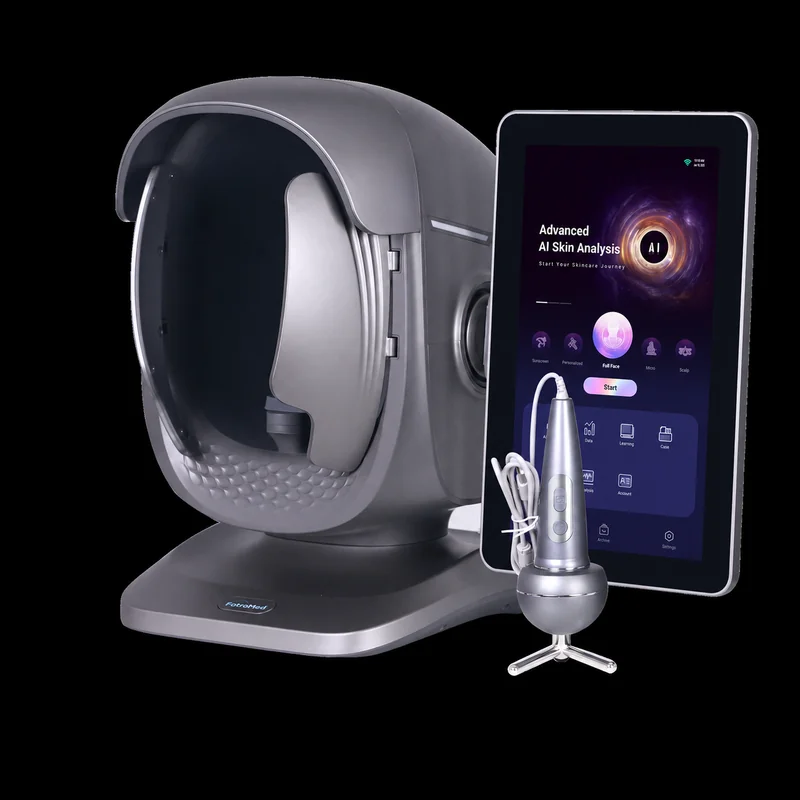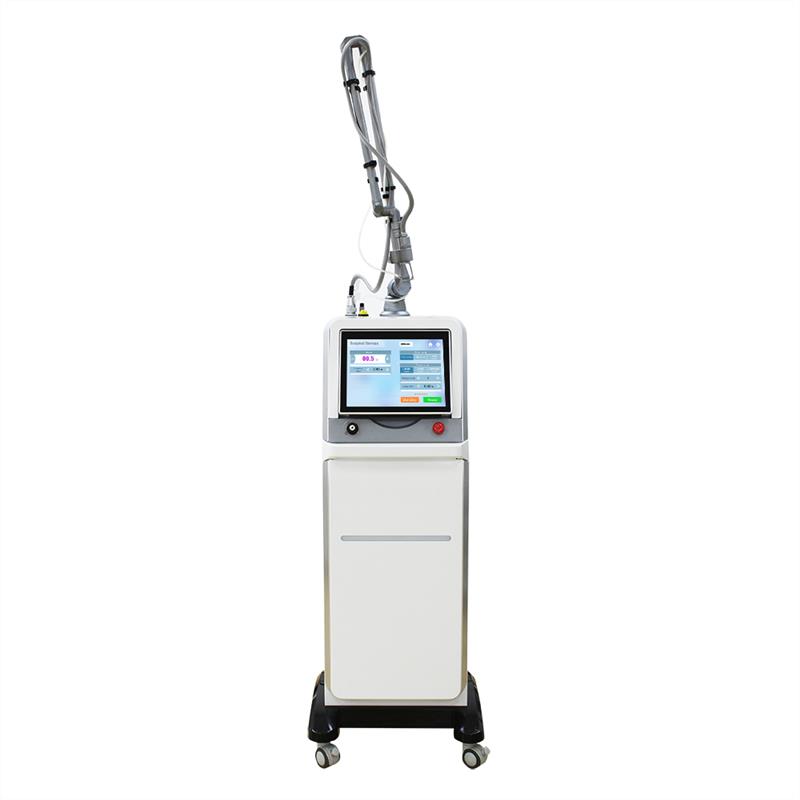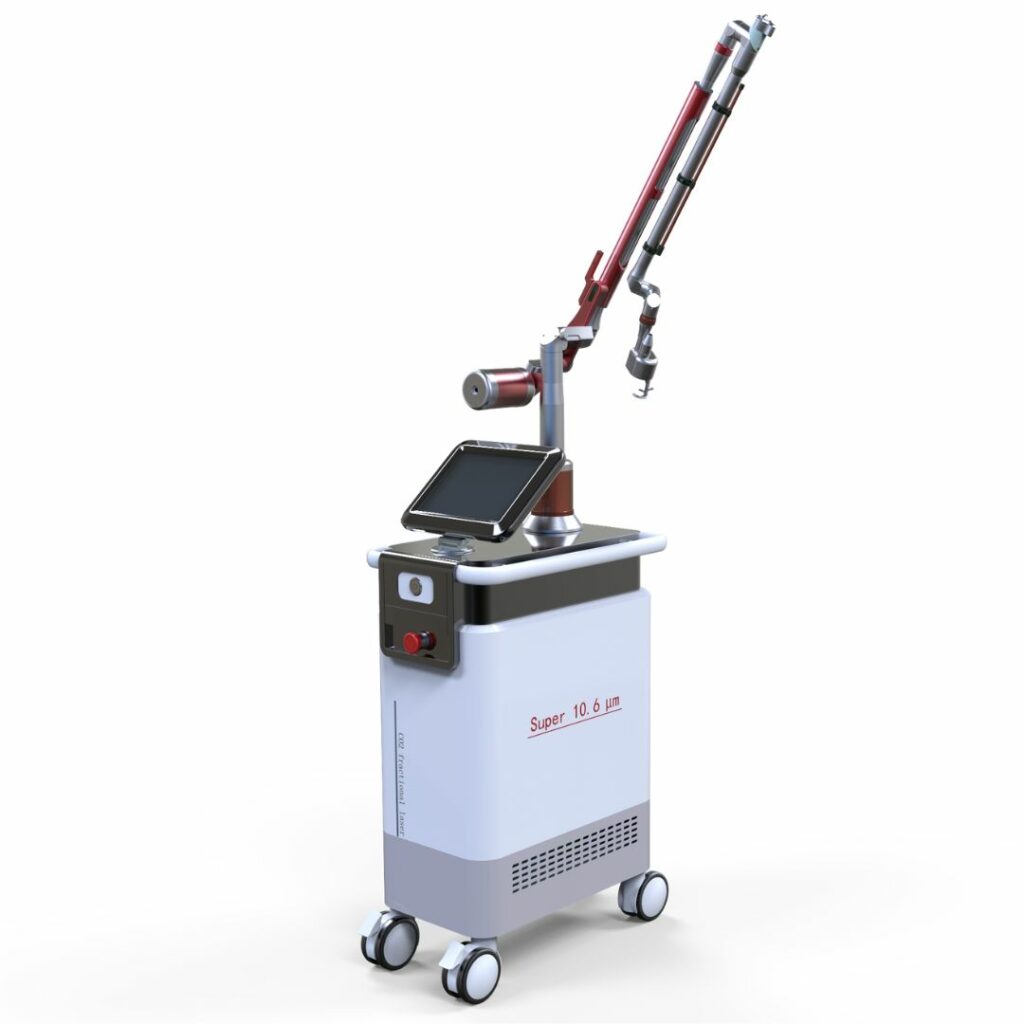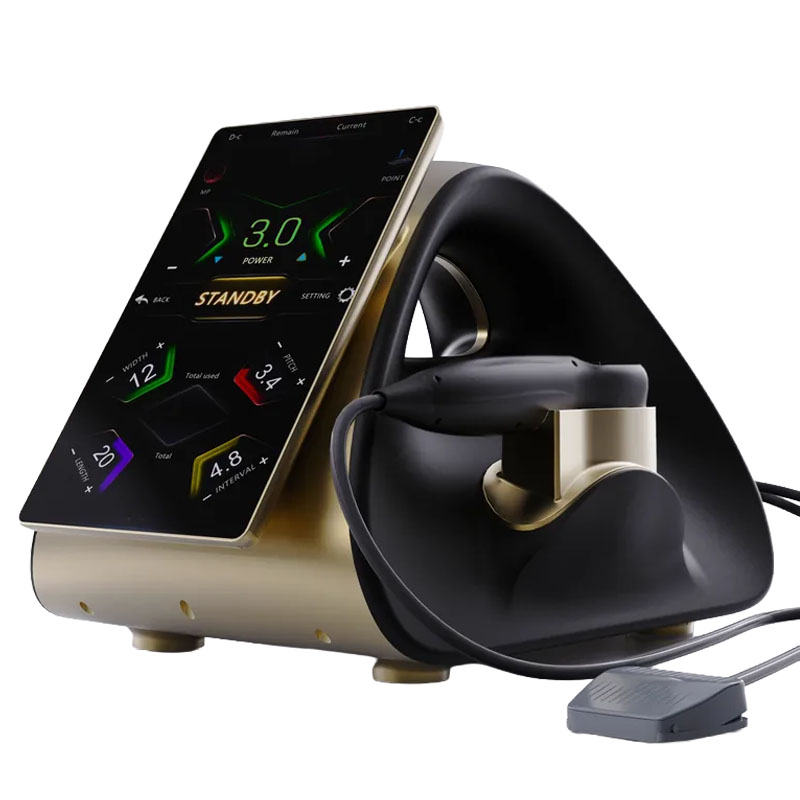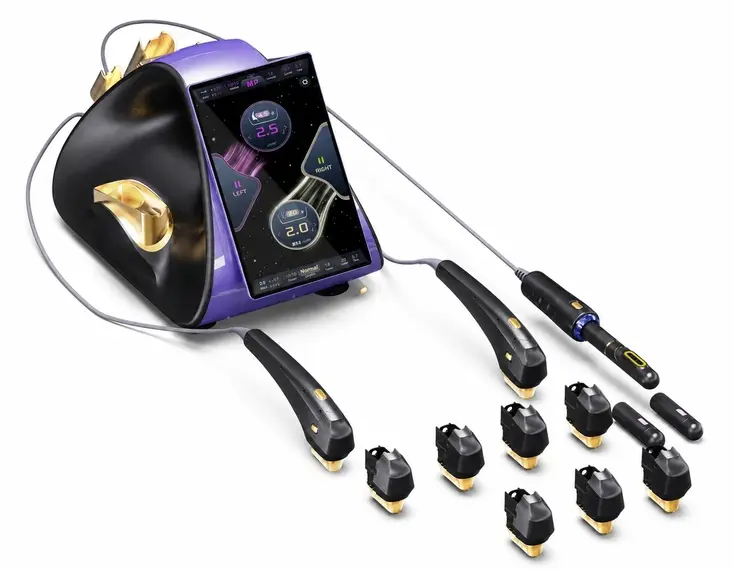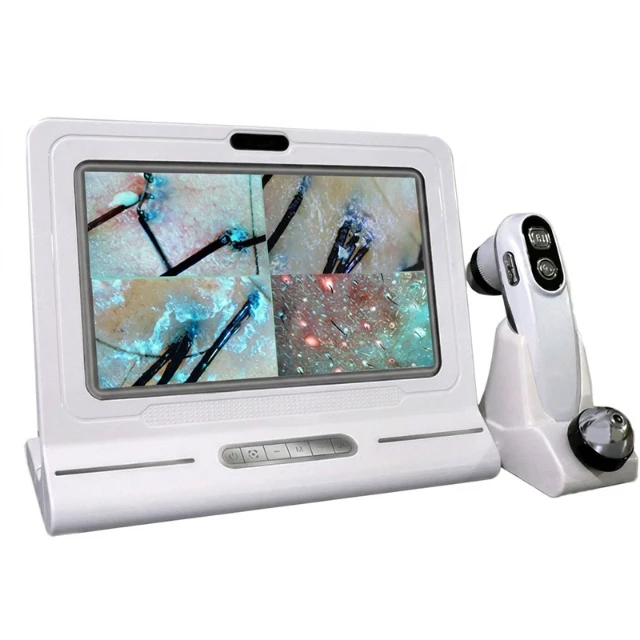
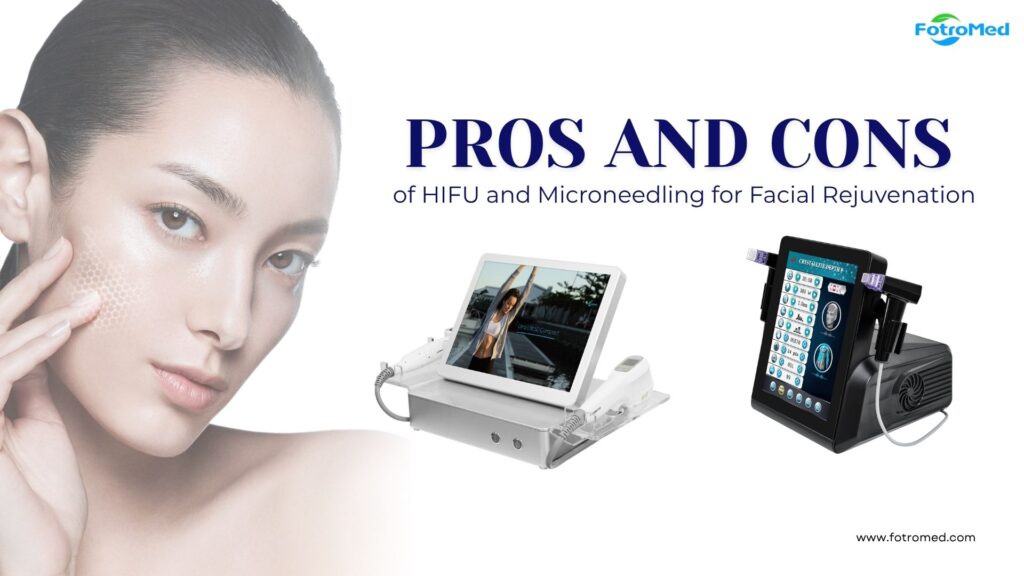
You want to look younger, but you are not sure which is better in the hifu vs microneedling choice for your face. Both treatments help your skin feel smoother. They help your body make more collagen. They also help fight wrinkles. Hifu uses focused ultrasound. Microneedling makes tiny holes in your skin. People everywhere pick these anti-aging treatments. They want to keep their skin glowing and slow down aging. You can see how popular they are in the chart above.
Facial rejuvenation depends on your skin goals. It also depends on how much downtime you want. Your budget matters too. If you want to look younger, these anti-aging treatments can help. Everyone’s skin is different. The best treatment for you depends on what you want for your skin.
Key Takeaways
- HIFU is a treatment that does not cut the skin. It uses ultrasound energy to lift and tighten your skin. The results can last up to 18 months.
- Microneedling makes tiny holes in your skin. This helps your skin make more collagen. It can make your skin feel smoother and help with scars. You need more than one session for the best results.
- Think about what you want for your skin and how much time you have to heal. HIFU lets you recover quickly. Microneedling can cause redness for a few days.
- Both treatments are safe for most people. You should talk to a trained provider to lower risks and get the best results.
- Look at your budget. HIFU costs more for each session but you need fewer visits. Microneedling costs less each time but you need more sessions.
HIFU Treatment Overview
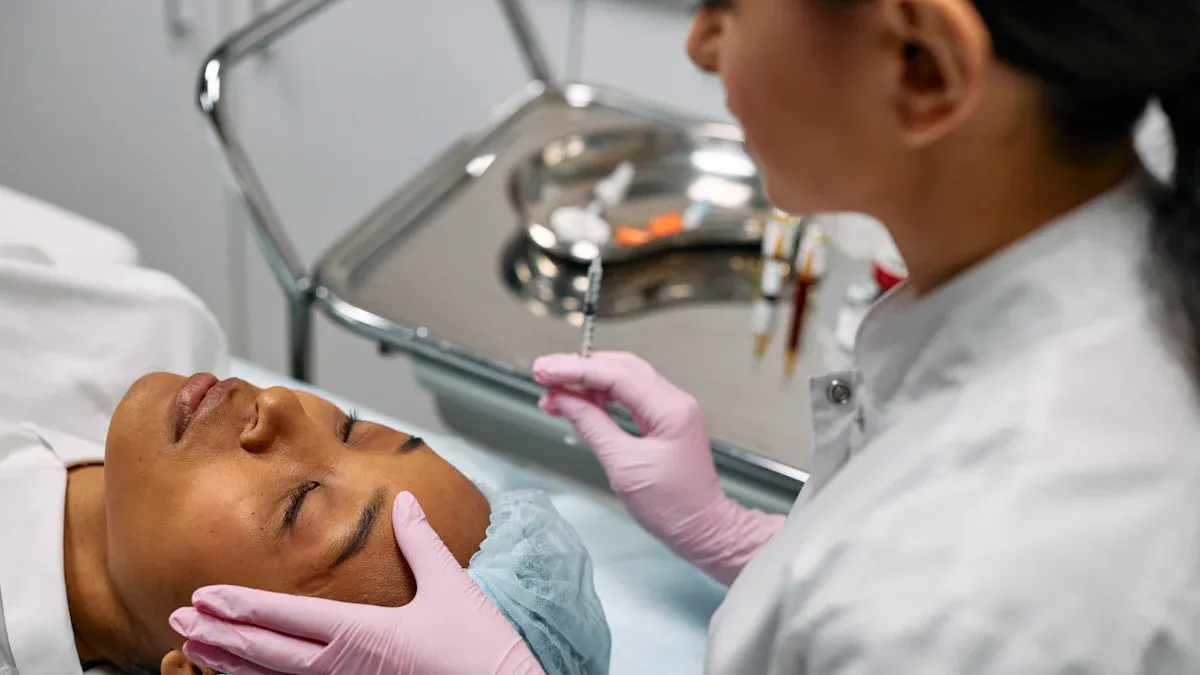
HIFU is a popular way to help your face look younger. People call it hifu therapy or hifu facial treatments. This treatment uses ultrasound energy to reach deep into your skin. The energy makes heat. This heat helps your body make more collagen. Collagen makes your skin firmer and smoother. Hifu therapy creates tiny hot spots under your skin. These spots help your skin tighten and lift. Your body makes more collagen, which helps fight wrinkles and aging.
The main steps in hifu treatment are:
- The ultrasound energy makes your collagen fibers tighten fast.
- Your skin cells feel the heat and start to fix themselves.
- Growth factors get released and tell your skin to make more collagen and elastin.
- New collagen and elastin form, so your skin gets tighter and smoother.
HIFU Pros for Rejuvenation
There are many good things about hifu treatment for your face:
- Hifu therapy does not use needles or surgery.
- Most people do not need any rest time. You can go back to your day after hifu face treatments.
- Hifu treatment helps lift and tighten skin, especially on your jawline, cheeks, and neck.
- Studies show hifu therapy can make your skin firmer by 18% to 30%. You will see fewer wrinkles and smoother skin.
- Hifu treatment helps reduce wrinkles and makes your skin look younger.
- Many patients feel happy with their hifu facial treatments.
- Sessions are quick and take 30 to 90 minutes.
| Benefit | Description |
|---|---|
| Skin Tightening | Hifu treatment lifts and tightens skin, especially in the jawline and cheeks. |
| Wrinkle Reduction | Hifu therapy helps with wrinkle reduction and removing wrinkles. |
| Patient Satisfaction | Most people feel happy with their results. |
| Non-Invasive Procedure | Hifu treatment does not require surgery or needles. |
| Quick Treatment | You can finish a session in under two hours, with no downtime. |
HIFU Cons and Side Effects
You should know about the downsides of hifu treatment. Some people feel pain during hifu therapy. You might see redness, swelling, or tingling after your session. These side effects usually go away in a few hours or days. Rarely, you could get bruising or numbness, but these do not last long. If your provider is not trained, there is a small chance of temporary facial paralysis or skin burns. This is very rare with skilled providers.
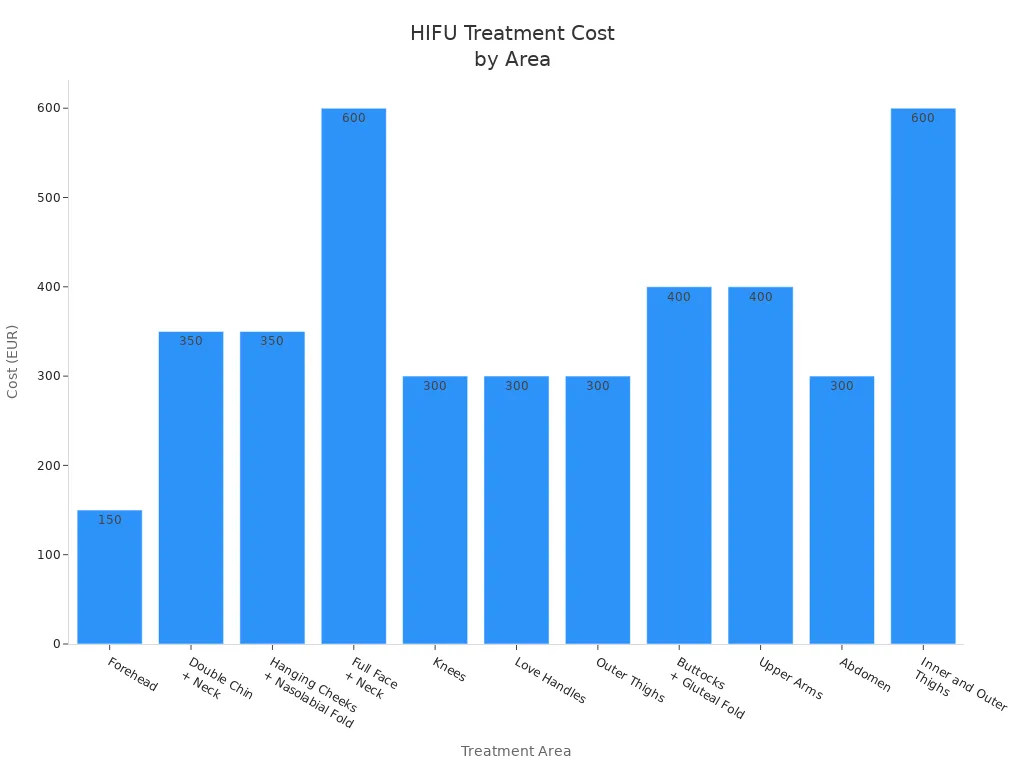
Hifu treatment is not for everyone. You should not get it if you are pregnant, breastfeeding, have open wounds, infections, severe acne, or metal implants in the area. The cost of hifu face treatments can be high. In the U.S., a full-face hifu treatment usually costs between $1,500 and $2,500. You may need more than one session for the best results.
Tip: Always pick a trained provider for your hifu therapy. This lowers your risk of side effects and helps you get the best results for skin lifting and wrinkle reduction.
Hifu treatment gives you a way to fight aging, sagging skin, and wrinkles without surgery. You get firmer, smoother skin with little or no rest time, but you should think about the pros and cons before you choose it.
Microneedling for Rejuvenation
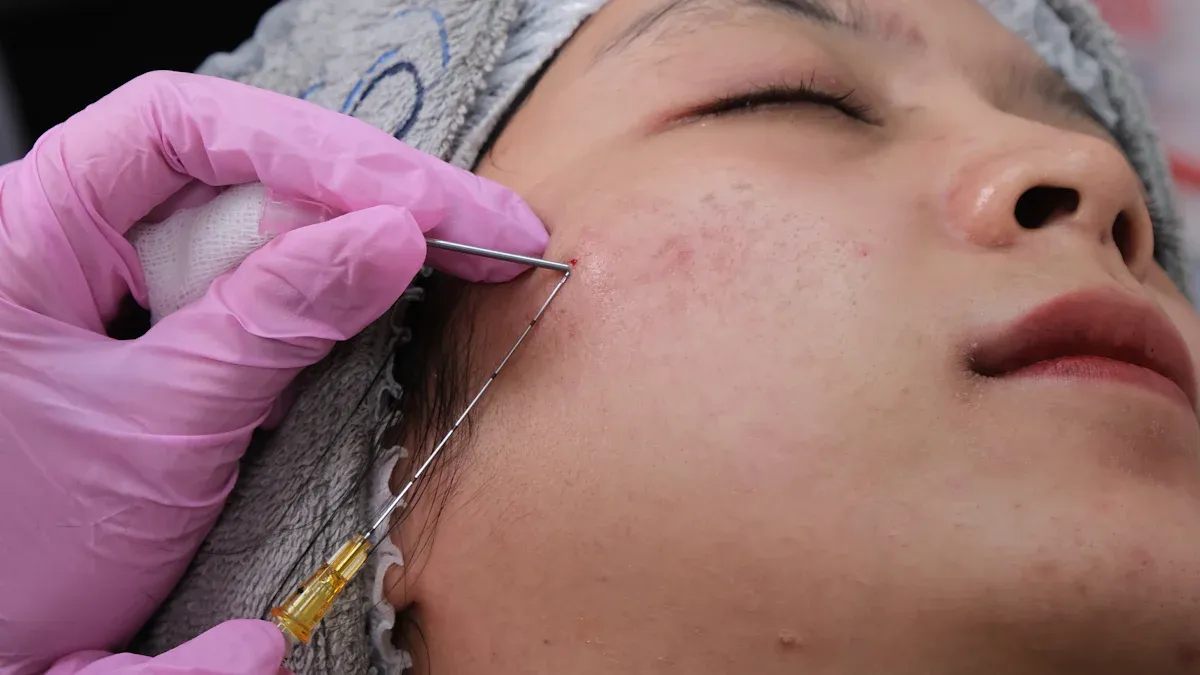
Microneedling helps your face look fresher and younger. The treatment uses a tool with tiny needles. These needles make small holes in your skin. Your body starts to heal these tiny injuries. This healing makes your skin create more collagen and new elastin. Collagen and elastin help your skin get smoother and firmer. Your skin glows as it repairs itself. Many people pick microneedling because it works for many skin types and tones.
Microneedling Benefits
Microneedling has many good points for your face. The biggest benefit is more collagen in your skin. More collagen makes your skin firmer and helps with wrinkles. You will see smoother skin and better tone. Microneedling can help fade acne scars and make pores smaller. It also helps your skin soak up creams and serums better. If you have sun damage or uneven skin, microneedling can help.
Here are some pros of microneedling:
| Benefit | Description |
|---|---|
| Firmer, smoother skin | Collagen and elastin help your skin look and feel better. |
| Reduced wrinkles | Collagen helps smooth out lines and wrinkles. |
| Improved texture and tone | Your skin looks more even and bright. |
| Scar and pore reduction | Microneedling fades scars and shrinks pores. |
| Better product absorption | Your skin takes in products more easily. |
Tip: Radiofrequency microneedling uses heat for stronger results. This type helps your skin make even more collagen and get tighter.
Microneedling Drawbacks
You should know the downsides before you try microneedling. You do not see results right away. Most people need 4 to 8 sessions for big changes. After each treatment, your skin may be red, swollen, or sore for a few days. Some people see mild bleeding or dry spots. Sometimes, you might get dark spots, crusts, or tiny bumps. These problems usually go away by themselves. If your skin is sensitive, you may feel more irritation.
Here are the main cons of microneedling:
- Recovery takes longer than some other treatments
- You may have redness, swelling, or mild pain after each session
- You might get dry skin, dark spots, or crusts
- You need several sessions to reach your goals
Microneedling has many good points for your face. But you should think about the cons and talk to a skin expert first. This treatment helps fight aging, boost collagen, and make your skin look and feel better.
Comparison: HIFU vs Microneedling
If you are thinking about hifu or microneedling, you want to know which works best for your skin. Both help with aging and make your face look fresher. They help your body make more collagen. But they work in different ways and feel different. Let’s look at the main points so you can pick what fits you.
Effectiveness and Results
You want results that last and really help your skin. Hifu uses ultrasound energy to reach deep under your skin. It targets the SMAS layer to lift and tighten your face. You often see lifting after one session. Full results show in 2 to 3 months and can last up to 18 months. Hifu is good if you want to fight sagging and get a lift without surgery.
Microneedling works on the top layers of your skin. It helps with texture, fine lines, and scars. You see smoother skin in 1 to 2 weeks, but you need more sessions for the best results. The long-term results show in 3 to 6 months. Microneedling is better if you want to fix uneven skin, shrink pores, or fade acne scars.
Here’s a quick look at how they compare:
| Criteria | HIFU | Microneedling |
|---|---|---|
| Technology | Uses ultrasound energy | Relies on mechanical stimulation |
| Treatment Depth | Reaches deeper layers (SMAS) | Focuses on skin’s surface layers |
| Ideal Treatment Areas | Face, neck, décolletage for tightening | Versatile across various areas |
| Downtime | Temporary discomfort and slight swelling | Minimal downtime with mild redness |
| Effectiveness Focus | Deep tissue lifting and tightening | Improving skin texture and reducing scars |
- Hifu works deeper and gives you lifting and tightening. It is best for mild to moderate sagging.
- Microneedling helps with texture, pigmentation, and fine lines.
- Hifu gives you lifting after one session, and results last longer.
- Microneedling needs more sessions, but you get smoother skin and better texture.
A study showed hifu made skin more elastic, reduced wrinkles, and made skin thicker. You get good results for lifting and younger-looking skin. If you want to fix deep sagging, hifu is best. If you want to fix surface problems, microneedling is better.
Safety and Side Effects
You want to feel safe during your treatment. Both hifu and microneedling are safe for most people. But you should know about possible side effects.
| Procedure | Safety Profile | Adverse Effects |
|---|---|---|
| HIFU | Good safety profile with manageable adverse effects. | Mild pain, temporary redness, transient events. |
| Microneedling | Generally well-tolerated with minor side effects. | Minor redness and swelling, gone in 48-72 hours. |
| Fractional RF Microneedling | Comparable to lasers, but easier to tolerate. | Mostly mild effects like temporary pigmentation. |
With hifu, you might feel mild pain or tingling during the session. Some people see redness or swelling, but these go away quickly. Rarely, you could get bruising or numbness. In very rare cases, nerve damage can happen, but this is not common with a skilled provider.
Microneedling can cause redness, swelling, or dry skin. You might see dark spots, crusts, or tiny bumps. These usually heal in a few days. Some people get dark spots or acne flares, but these are not common.
Note: Always pick a trained provider for both hifu and microneedling. This lowers your risk and helps you get the best results.
Downtime and Recovery
You probably want to know how soon you can get back to your normal life. Hifu and microneedling have different recovery times.
| Treatment | Average Downtime | Recovery Period |
|---|---|---|
| HIFU | None | Immediate |
| Microneedling | 1 to 3 days | 1 to 3 days |
Hifu is non-invasive and gives you almost no downtime. You might feel a little sore or see some swelling, but you can go back to your day right away. Microneedling has a bit more downtime. Your skin may look red or feel sensitive for 1 to 3 days. You might want to avoid makeup or sun for a short time.
If you want fast recovery, hifu is the winner. If you don’t mind a few days of redness, microneedling is still a good choice.
Cost and Accessibility
You want to know if you can find these treatments near you and if they fit your budget. Hifu and microneedling are different in price and how easy they are to get.
| Aspect | Details |
|---|---|
| Clinic Availability | Hifu treatments are now easy to find in many places. |
| Practitioner Expertise | Always look for skilled, certified providers for both treatments. |
| Recommendations | Check reviews, certifications, and equipment quality before booking. |
Hifu usually costs more than microneedling. You pay more for each session, but you need fewer sessions for good results. Microneedling costs less per session, but you need more visits to see the full results. Both treatments are now in many clinics, so you can find them in most cities.
Suitability for Skin Types
You want a treatment that works for your skin. Hifu is safe for all skin types, even darker skin. You should not get hifu if you have open wounds, severe acne, infections, or active eczema in the area.
Microneedling also works for most skin types. But you should avoid it if you have bleeding problems, are pregnant or nursing, or have active skin infections. If you have a history of cold sores, talk to your provider first.
- Hifu is good for all skin types, but not for people with active infections or severe skin problems.
- Microneedling is safe for most, but not for those with bleeding issues, active acne, or some medical problems.
Tip: Always tell your provider about your health and skin problems before starting any skin treatment.
Quick Comparison Table
Here’s a simple table to help you compare hifu and microneedling:
| Factor | HIFU | Microneedling |
|---|---|---|
| Non-invasive | Yes | Yes |
| Downtime | None | 1-3 days |
| Results | Lifting, tightening, lasts up to 18 months | Smoother texture, needs multiple sessions |
| Effective Results | After 1 session, full in 2-3 months | After several sessions, full in 3-6 months |
| Cost | Higher per session | Lower per session |
| Skin Types | All, except active infections | Most, except bleeding issues |
| Aging Concerns | Sagging, deep wrinkles | Texture, scars, fine lines |
When you compare hifu and microneedling, think about your goals, your schedule, and your budget. Both help with aging and skin, but they give you different results and experiences. If you want a lift with little downtime, hifu is a strong choice. If you want to fix texture and don’t mind a few days of redness, microneedling is a great option.
Choosing the Right Rejuvenation Treatment
Factors to Consider
Picking the best skin rejuvenation method for your face can feel tricky. You want to look younger, but you also want to feel comfortable during the process. You should think about your skin goals, pain tolerance, budget, and how much downtime you can handle. Let’s break down what matters most when you choose between hifu and microneedling.
Here’s a table to help you compare the main factors:
| Factor | HIFU | Microneedling |
|---|---|---|
| Invasiveness | Non-invasive | Minimally invasive |
| Downtime | No downtime | Requires a day of downtime |
| Treatment Goals | Targets fat deposits, skin tightening | Improves skin texture, reduces scarring |
| Side Effects | Mild redness | Redness, swelling, bruising possible |
| Cost | Varies | Generally more cost-effective |
You want to know how much pain you might feel. Hifu feels like a warm prickling under your skin, but most people say it is easy to handle. Microneedling can be more painful, and you might see redness for up to 24 hours. If you have a low pain tolerance, hifu may be easier for you.
Budget matters too. Hifu usually costs more for each session, but you need fewer visits. Microneedling costs less per session, but you need more treatments to see big changes. If you want deeper lifting, hifu works best. If you want smoother texture, microneedling is the way to go.
Tip: Think about your daily life. If you need to get back to work or school fast, hifu gives you almost no downtime. If you can handle a day or two of redness, microneedling can help your skin glow.
Who Should Choose HIFU
You might wonder if hifu is right for you. This treatment works best for people who want to lift and tighten their skin without surgery. If you see sagging on your jawline, cheeks, or neck, hifu can help. You get firmer skin and fewer wrinkles. Hifu boosts collagen deep under your skin, so you see results that last.
Here’s a quick look at who benefits most from hifu:
| Patient Profile | Risk Factors | Recommendation |
|---|---|---|
| Mild to moderate sagging | No active skin infections | Good candidate for hifu |
| Want fast recovery | No metal implants in area | Hifu is safe |
| Need deep lifting | Healthy skin | Hifu works well |
Younger people often pick hifu because they want to avoid surgery and keep their skin looking fresh. If you care about avoiding side effects like numbness or burns, you should choose a skilled provider. Hifu is not for you if you have open wounds, severe acne, or metal implants in the area.
Note: Hifu is great if you want firmer skin, less downtime, and long-lasting results. You get a lift without needles or surgery.
Who Should Choose Microneedling
Microneedling is a good choice if you want to fix surface problems on your skin. If you have acne scars, fine lines, or sun damage, this treatment helps your skin heal and make more collagen. You see smoother texture and smaller pores. Microneedling works for most skin types, and you can use it on your face, neck, or even stretch marks.
Here’s a table showing who should pick microneedling:
| Patient Profiles Best Suited for Microneedling | Contraindications |
|---|---|
| Fine lines | Immunosuppressed |
| Sun damage | Pregnant or nursing |
| Stretch marks | Chronic skin conditions (e.g., psoriasis) |
| Acne scars |
You should avoid microneedling if you have bleeding problems, are pregnant, or have active skin infections. If you have a history of cold sores, talk to your provider first. Most people need several sessions to see big changes, but you get better texture and brighter skin.
Tip: Microneedling is perfect if you want to fade scars, shrink pores, and boost collagen. You need to plan for a little downtime, but the results can make your skin look fresh and smooth.
😊 Ready to Choose?
You know your skin best. If you want deep lifting and almost no downtime, hifu is your go-to. If you want to fix texture, scars, or fine lines, microneedling gives you smoother skin. Both treatments help your skin make more collagen and fight wrinkles. Think about your pain tolerance, budget, and how fast you want to see results. Talk to a skin expert to find the best plan for your rejuvenation journey.
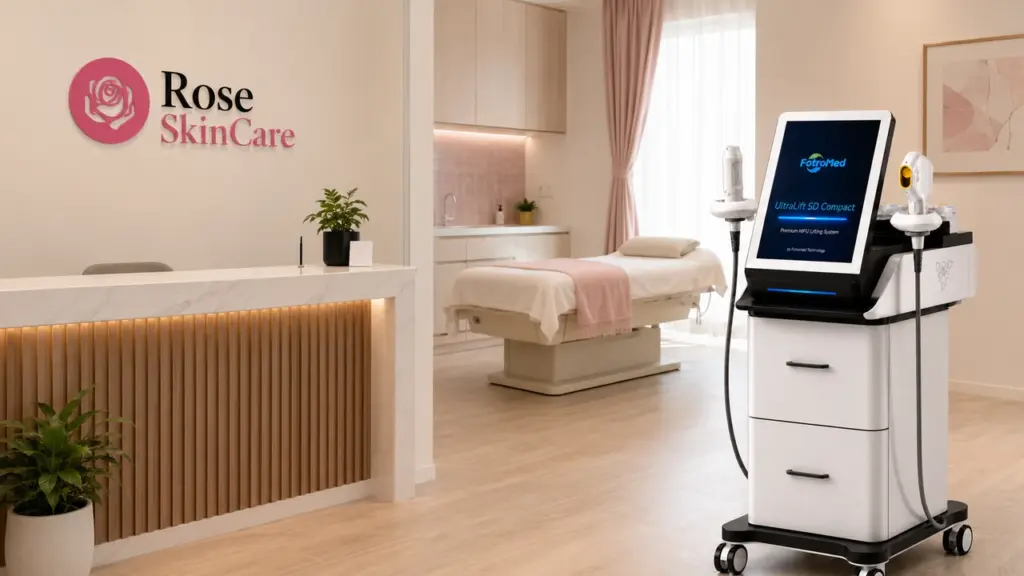
You have learned that hifu works best for lifting and tightening deeper layers, while microneedling improves skin texture and shrinks pores. Recent research shows that hifu gives you more contour and firmness, but microneedling helps your skin look smoother on the surface. Your perfect choice depends on your goals and how your skin reacts. For clinics planning equipment around these distinct treatment goals, a HIFU skin tightening machine supports the deeper-lifting side of the service menu.
- Check your lifestyle and see how much downtime you can handle.
- Talk with a board-certified expert for a plan that fits you.
- Learn about each treatment so you feel confident in your decision.
FAQ
How soon will I see results from HIFU or microneedling?
You may notice some changes right away with HIFU, but the best results show up after two to three months. With microneedling, your skin looks smoother in one to two weeks. You need more sessions for full results.
Can I combine HIFU and microneedling?
Yes, you can combine both treatments, but not on the same day. Many people use HIFU for lifting and microneedling for texture. Always ask your provider for the best plan for your skin.
Does either treatment hurt?
You might feel some discomfort with both. HIFU feels like a warm prickling or tingling. Microneedling can feel scratchy. Most clinics use numbing cream to help you stay comfortable.
How long do the results last?
HIFU results can last up to 18 months. Microneedling results last several months, but you may need touch-ups. Your age, skin type, and lifestyle can affect how long the results stay.
Is there anything I should avoid after treatment?
Avoid sun, makeup, and harsh products for a few days after either treatment. Your provider will give you aftercare tips. Drink water and use gentle skincare to help your skin heal.