
في عام 2025، يتطلب اختيار أفضل جهاز HIFU لممارستك الطبية في الولايات المتحدة التعامل مع سوق معقدة مليئة بمصطلحات تسويقية محيرة مثل “7D” و“12D”. وللمساعدة في تمكين أصحاب العيادات من تقييم كل منها جهاز hifu للبيع بعيداً عن الضجة التسويقية، يقدم هذا الدليل إطار عمل تقييمي شاملاً من سبع نقاط. نحن نحلل العوامل الحيوية بما في ذلك الامتثال التنظيمي لـ FDA، وفيزياء الأجهزة، والأدلة السريرية المثبتة، وعائد الاستثمار المالي. ومن خلال التجاوز للمقاييس السطحية، يمنحك هذا التحليل القدرة على إجراء استثمار إستراتيجي يضمن سلامة المرضى والربحية طويلة الأجل لمنتجعك الطبي.
تفكيك التكنولوجيا—ما بعد ضجة “D” التسويقية
إن الخطوة الأولى في اختيار جهاز HIFU المثالي هي تبني شك صحي تجاه المسميات التسويقية. فمصطلحات مثل “4D” أو “5D” أو “12D” ليست تصنيفات علمية معيارية، بل هي صياغات تسويقية. ولإجراء خيار مستنير، يجب عليك فهم الفيزياء الكامنة وراء هذا المسمى.
الآلية الأساسية: نقاط التخثر الحراري (TCPs)
في جوهر كل جهاز HIFU محترف، يعمل الجهاز وفق مبدأ واحد: التوصيل الدقيق لطاقة الموجات فوق الصوتية المركزة لإنشاء نقاط التخثر الحراري (TCPs). يعمل المحول كعدسة، حيث يركز الموجات الصوتية على عمق معين (مثل طبقة SMAS) دون إلحاق الضرر بالبشرة.
عند امتصاص الطاقة، يتم تسخين الأنسجة إلى 60-70 درجة مئوية. وهذا يحقق هدفين:
- الانكماش الفوري: تنكمش ألياف الكولاجين، مما يوفر تأثيراً فورياً للشد.
- تخلق الكولاجين الجديد (Neocollagenesis): تبدأ الحرارة استجابة لالتئام الجروح، مما يحفز إنتاج كولاجين وإيلاستين جديدين على مدار 3-6 أشهر.
تطور التكنولوجيا: من الخط الواحد إلى MMFU
بدلاً من التركيز على رقم “D”، قم بتقييم طريقة التوصيل.
- تقنية 1D HIFU التقليدية: توصيل بطيء بخط واحد. يعتمد بشكل كبير على مهارة المشغل.
- تقنية 3D/4D Matrix HIFU: يقدم شبكة من 11-12 خطاً في ضغطة واحدة. هذا يحسن الاتساق ولكنه قد يظل بطيئاً.
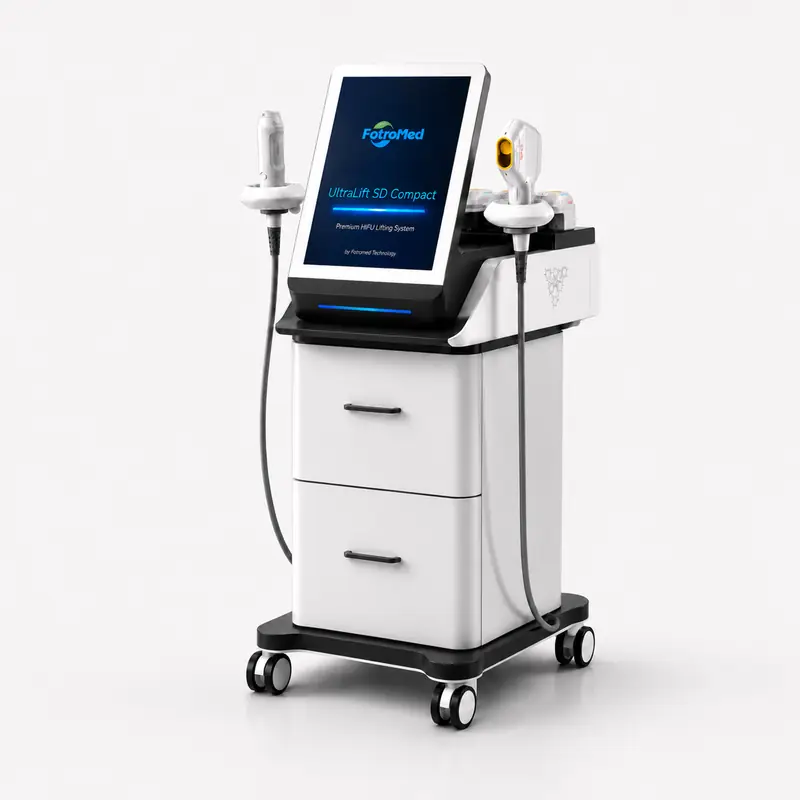
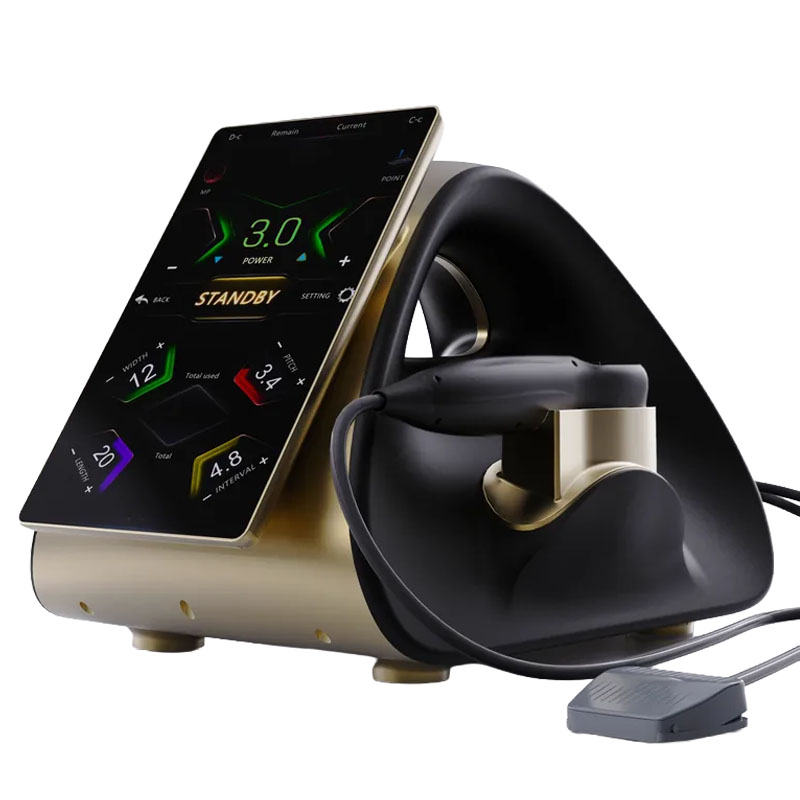
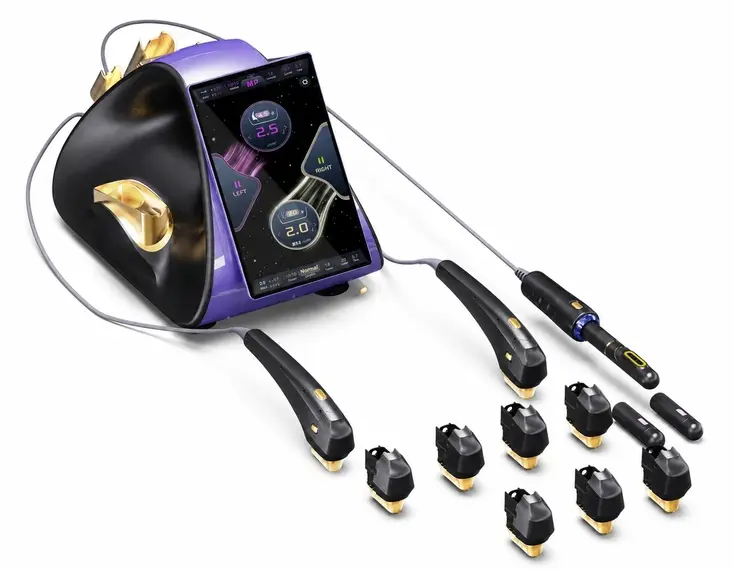
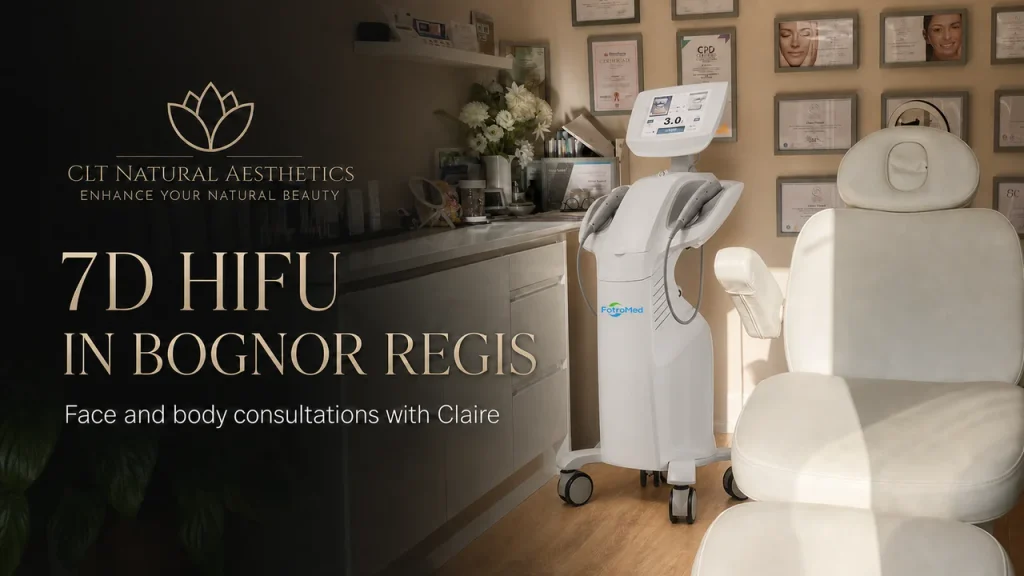
- تقنية 7D MMFU (الموجات فوق الصوتية المركزة الدقيقة والماكرو): هذا هو المعيار الذهبي الحالي الموجود في الأنظمة المتقدمة مثل جهاز FotroMed Ultraforma 7D HIFU. It utilizes dual-engine technology to deliver shots rapidly (Macro-focused for body, Micro-focused for face), significantly reducing treatment time and patient discomfort.
Key Takeaway: Do not buy based on the highest number (e.g., 12D). Buy based on shot speed, energy stability, and the ability to create precise, consistent TCPs.
Navigating the FDA Labyrinth—Compliance is Non-Negotiable
For any clinic operating within the United States, regulatory compliance is the foundation of your business. Importing a non-compliant device can lead to equipment seizure by U.S. Customs and Border Protection (CBP) and severe legal penalties.
Understanding FDA Class II Devices
HIFU machines are generally classified as Class II Medical Devices. This classification requires:
- Establishment Registration: The manufacturer must be registered with the FDA.
- Device Listing: The specific model must be listed in the FDA database.
- 510(k) Clearance: This is the critical hurdle. A manufacturer must demonstrate their device is “substantially equivalent” to a legally marketed predicate device.
The “FDA Approval” Myth
Be wary of salespeople claiming a device is “FDA Approved.” The correct terminology for Class II devices is “FDA Cleared.” Always ask for the 510(k) number (e.g., K123456) and verify it in the FDA’s database. Ensure the device is cleared for the specific indications you plan to market (e.g., “non-invasive eyebrow lift”).
Risk Mitigation: Working with a reputable supplier ensures the device acts as the legal “Initial Importer,” shielding your clinic from the complexities and liabilities of direct importation.
Cartridge Versatility—The Heart of Customization
If the machine is the engine, the cartridges are the transmission. The best HIFU machine is defined by its ability to treat multiple layers of the face and body effectively.
Essential Facial Depths
To achieve a structural facelift, your machine must target three distinct layers:
- 1.5mm (Superficial Dermis): Targets fine lines, pores, and texture.
- 3.0mm (Deep Dermis): Stimulates bulk collagen production.
- 4.5mm (SMAS Layer): Targets the muscle fascia for deep lifting.
- 2.0mm (Specialized): Advanced machines like the FotroHIFU Dual Advanced include a specialized 2.0mm probe designed specifically for thin skin around the eyes and mouth.
Body Contouring Capabilities
Expanding your menu to include body treatments requires deeper penetration. Look for cartridges at 6.0mm, 9.0mm, and 13.0mm. At 13.0mm, the energy destroys subcutaneous fat cells (lipolysis), making it ideal for treating the abdomen and thighs. A dedicated system like the FotroHIFU Max is engineered to sustain high-energy output for these large-area body treatments.
Clinical Efficacy and Safety Features
A machine is only as good as its clinical outcomes. Beyond marketing photos, look for safety features that protect your patients and your license.
Safety Mechanisms
- Contact Sensors: High-end machines ensure the cartridge is flush with the skin before firing to prevent surface burns.
- أنظمة التبريد: Continuous operation generates heat. A robust internal cooling system ensures stable energy output from the first shot to the last.
- Visualization vs. Blind Treatment: While some legacy systems offer ultrasound imaging, modern MMFU systems rely on precise depth control and rapid firing speeds to minimize pain and risk, often making them more efficient for experienced operators.
Evidence Hierarchy
Prioritize devices supported by peer-reviewed studies or robust clinical white papers. Be skeptical of “Before and After” photos that show different lighting or angles.
The Financial Calculus—ROI Analysis
A HIFU machine is a capital asset. You must calculate the Total Cost of Ownership (TCO) to ensure profitability.
The Formula: Cost Per Shot
The initial price of the machine is secondary to the cost of consumables.
- Scenario A: Machine costs $30,000. Cartridge costs
2,000for5,000shots(2,000for5,000shots(0.40/shot). - Scenario B: Machine costs $40,000. Cartridge costs
1,500for20,000shots(1,500for20,000shots(0.075/shot).
Scenario B is the better long-term investment. High-capacity cartridges, a standard feature of FotroMed professional devices, drastically reduce your operational costs.
ROI Example Calculation
- Treatment Price (Full Face): $1,500
- Consumable Cost (800 shots @ $0.10): $80
- Gross Profit: $1,420 per patient.
- Break-Even: If the machine costs $60,000, you only need ~42 patients to break even.
User Experience and Ergonomics
Your staff will hold the handpiece for hours. Poor ergonomics lead to fatigue and inconsistent results.
- Weight & Balance: Look for lightweight, balanced handpieces.
- Interface: The software should allow for easy parameter adjustment (pitch, length, energy) without complex sub-menus.
- Multi-Functionality: Clinics looking to maximize space often prefer all-in-one stations. For example, the FotroHIFU Delux Machine combines HIFU with RF Microneedling, allowing you to perform surface resurfacing and deep lifting in a single session.
After-Sales Support—The Long-Term Partnership
The relationship with your manufacturer begins, not ends, at the point of sale.
- التدريب: Does the supplier offer comprehensive clinical training? A generic user manual is insufficient for a medical device.
- Warranty & Service: If the machine breaks, do they have a US-based repair center? Waiting weeks for a part to ship from overseas means lost revenue.
- Loaner Policy: A strong warranty includes a loaner machine to keep your business running during repairs.
Frequently Asked Questions (FAQ)
Q1: What is the difference between FDA Cleared and FDA Approved?
“FDA Approved” is generally reserved for Class III (high-risk) devices like implants. HIFU machines are Class II devices and receive “510(k) Clearance,” meaning they are proven safe and equivalent to existing market devices.
Q2: How does 7D HIFU differ from 4D?
7D typically refers to MMFU (Micro & Macro Focused Ultrasound) technology. It is faster, less painful, and uses smaller focus points for the face and larger ones for the body, offering superior versatility compared to older 4D matrix systems.
Q3: Can I combine HIFU with other treatments?
Yes. Combining HIFU (structural lift) with RF Microneedling (surface texture) is a popular “nonsurgical facelift” protocol. Many clinics use versatile platforms like the FotroHIFU Delux to deliver these combination therapies efficiently.
Q4: Is HIFU safe for dark skin (Fitzpatrick IV-VI)?
Yes. Unlike lasers that target melanin, HIFU uses sound energy that bypasses the skin surface, making it safe for all skin types with no risk of hyperpigmentation.
Q5: How many shots does a typical cartridge last?
Standard cartridges may offer 5,000-10,000 shots. However, high-efficiency machines from premium manufacturers often provide cartridges with 20,000+ shots, significantly improving your profit margins.