Two clinics can buy what is functionally the same Korean-built RF microneedling platform and pay prices that differ by $60,000 — because one bought it through a U.S. distributor under a familiar brand name, and the other traced it back to the factory. That gap exists because the RF microneedling market runs on a three-layer structure most price lists never show: the brand you know, the manufacturer that builds the device, and the distributor that sells and services it in your country. Until you can see all three layers, you are not comparing machines; you are comparing marketing budgets.
This guide maps the ten manufacturers behind the major RF microneedling systems sold in 2026, explains what FDA “cleared,” “approved,” and “registered” actually mean on a quote sheet, and breaks down realistic price tiers — including the consumable costs that decide your margin long after the purchase order. Sources: FDA fee schedules and device databases, peer-reviewed literature, manufacturer and distributor documentation, and Fotromed’s own manufacturing and export records across 50+ countries.
Who actually makes RF microneedling machines?
Start with the map. The table below pairs each major system with the company that manufactures it and the channel that sells it in the United States.
| # | Brand / system | Manufacturer | Manufactured in | U.S. sales channel | U.S. regulatory status |
|---|---|---|---|---|---|
| 1 | Morpheus8 | InMode Ltd. | Israel | InMode (direct) | 510(k) cleared |
| 2 | Genius, Infini | Lutronic | South Korea | Lutronic (direct) | 510(k) cleared |
| 3 | Secret RF, Secret PRO | ilooda | South Korea | Cutera (distributor) | 510(k) cleared |
| 4 | بوتينزا | جيسيس ميديكال | South Korea | ساينوشور (موزع) | 510(k) cleared |
| 5 | فيرتشو آر إف | شين بي | South Korea | كارتيسا إيستيتكس (موزع) | 510(k) cleared |
| 6 | سيلفيرم X | فايل | South Korea | بينيف (موزع) | 510(k) cleared |
| 7 | إكسيون (أداة تطبيق الوخز بالإبر الدقيقة بالتردد الراديوي) | BTL | أوروبا | بي تي إيل إيستيتكس (مباشر) | 510(k) cleared |
| 8 | إنتنسيف (إنديميد برو) | إنديميد | Israel | إنديميد (مباشر) | 510(k) cleared |
| 9 | بكسل 8-آر إف | روهر إيستيتكس | الولايات المتحدة الأمريكية | روهر (مباشر) | 510(k) cleared |
| 10 | AWNS(OEM/ODM) | Fotromed | China | مباشر من المصنع | 510(k) cleared |
تعكس الحالات التنظيمية الموافقات المدرجة علنًا اعتبارًا من منتصف عام 2026؛ ويرجى التأكد من الطراز المحدد ودواعي الاستخدام عبر قاعدة بيانات 510(k) قبل الشراء، نظرًا لأن الموافقات تختلف باختلاف الطراز وتتغير باستمرار.
عند قراءة عمود الشركات المصنعة، يظهر نمط يخفيه عمود العلامة التجارية: ستة من أصل أفضل عشرة أنظمة شهرة في “السوق الأمريكية” تم تصنيعها في مصانع أربع دول، وتصل خمسة من هذه الأنظمة إلى العيادات الأمريكية عبر موزع بدلاً من الشركة المصنعة نفسها.
منصات العلامات التجارية العالمية: InMode، وBTL، وEndyMed
تقوم هذه الشركات الثلاث بتصنيع أجهزتها الخاصة والبيع من خلال شركاتها التابعة. ما تدفع ثمنه هو التكامل الرأسي: البحث والتطوير الداخلي، والبروتوكولات السريرية المنشورة، وأكاديميات التدريب المباشر، وشبكة الخدمات تحت سقف واحد. ويُعد جهاز Morpheus8 أوضح مثال على ذلك — حيث تقوم شركة InMode بتصميمه وتصنيعه واعتماده وبيعه، وهو ما يفسر جزئيًا سبب تحمله لأعلى سعر في هذا القطاع وأقوى معرفة بالعلامة التجارية لدى المرضى.
فئة التصنيع الكورية: Lutronic، وilooda، وJeisys، وShenB، وVIOL
تبني كوريا الجنوبية عددًا من أنظمة الإبر الدقيقة بالترددات الراديوية المتميزة أكبر من أي دولة أخرى في العالم — خمسة من أصل الأنظمة العشرة المذكورة في الجدول أعلاه. وتُباع ثلاثة منها (Secret RF، وPotenza، وVirtueRF) في الولايات المتحدة بموجب اتفاقيات توزيع مع شركات تجميل أمريكية، مما يعني أن الاسم المدون على الفاتورة (Cutera، وCynosure، وCartessa) ليس هو الاسم الموجود على خط التصنيع (ilooda، وJeisys، وShenB). بالنسبة للمشتري، يهم هذا الأمر بطريقتين عمليتين: الضمان وقطع الغيار يمران عبر الموزع، وليس المصنع؛ وقد تبيع الشركة المصنعة نفسها المنصة المكافئة تحت اسم مختلف في مناطق أخرى وبسعر مختلف.
المنصات المجمعة في الولايات المتحدة: Rohrer Aesthetics
يشغل جهاز Pixel8-RF من شركة Rohrer فئة القيمة في السوق ذات العلامات التجارية — وهو نظام إبر دقيقة بالترددات الراديوية ثنائي القطب حاصل على موافقة 510(k) ويتم تسعيره عادةً بسعر أقل بكثير من المنصات الرائدة. وهذا يوضح أن “الشراء من أمريكا” في هذه الفئة يعني عادةً التجميع والدعم داخل الولايات المتحدة بدلاً من الاعتماد على تقنية مختلفة جوهريًا.
المصنعون الصينيون للمعدات الأصلية (OEM) والتصميم الأصلي (ODM): Fotromed وفئة البيع المباشر من المصنع
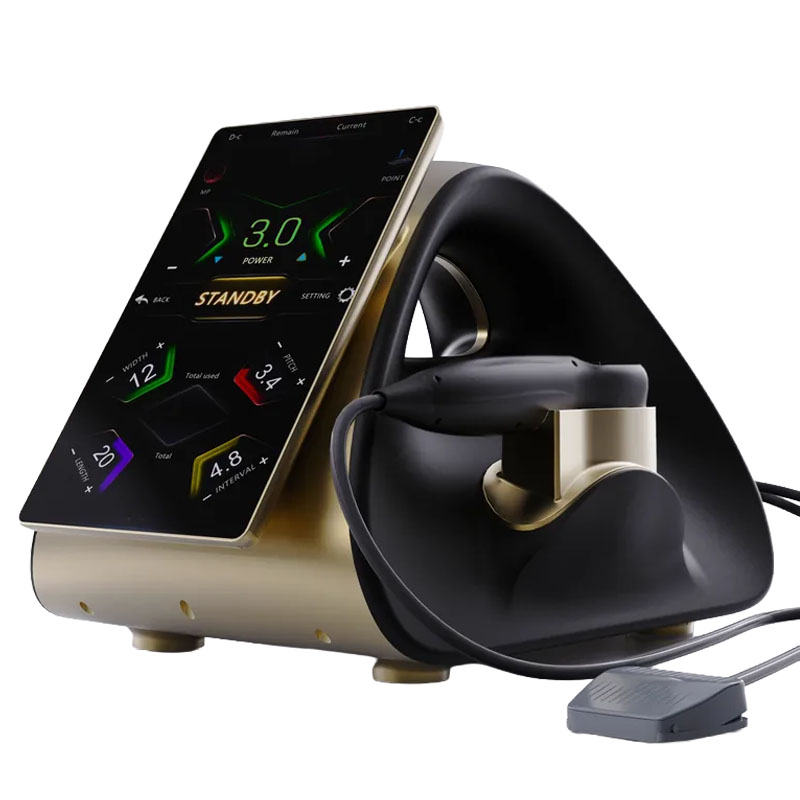
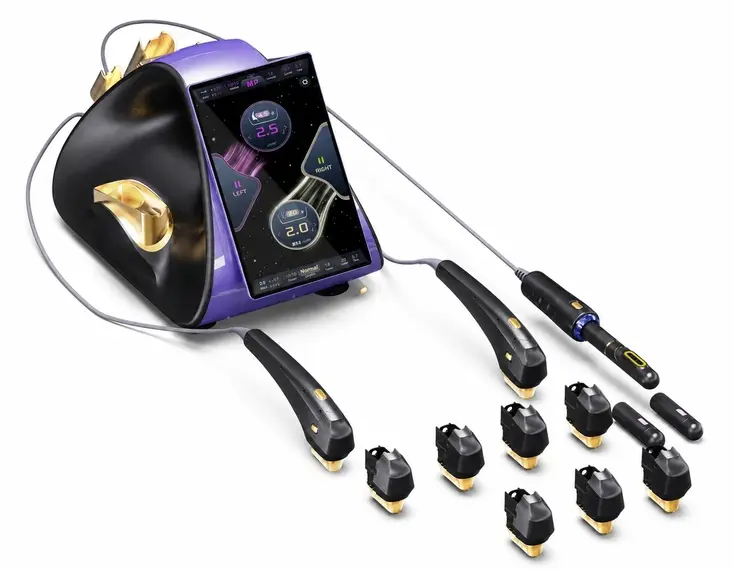
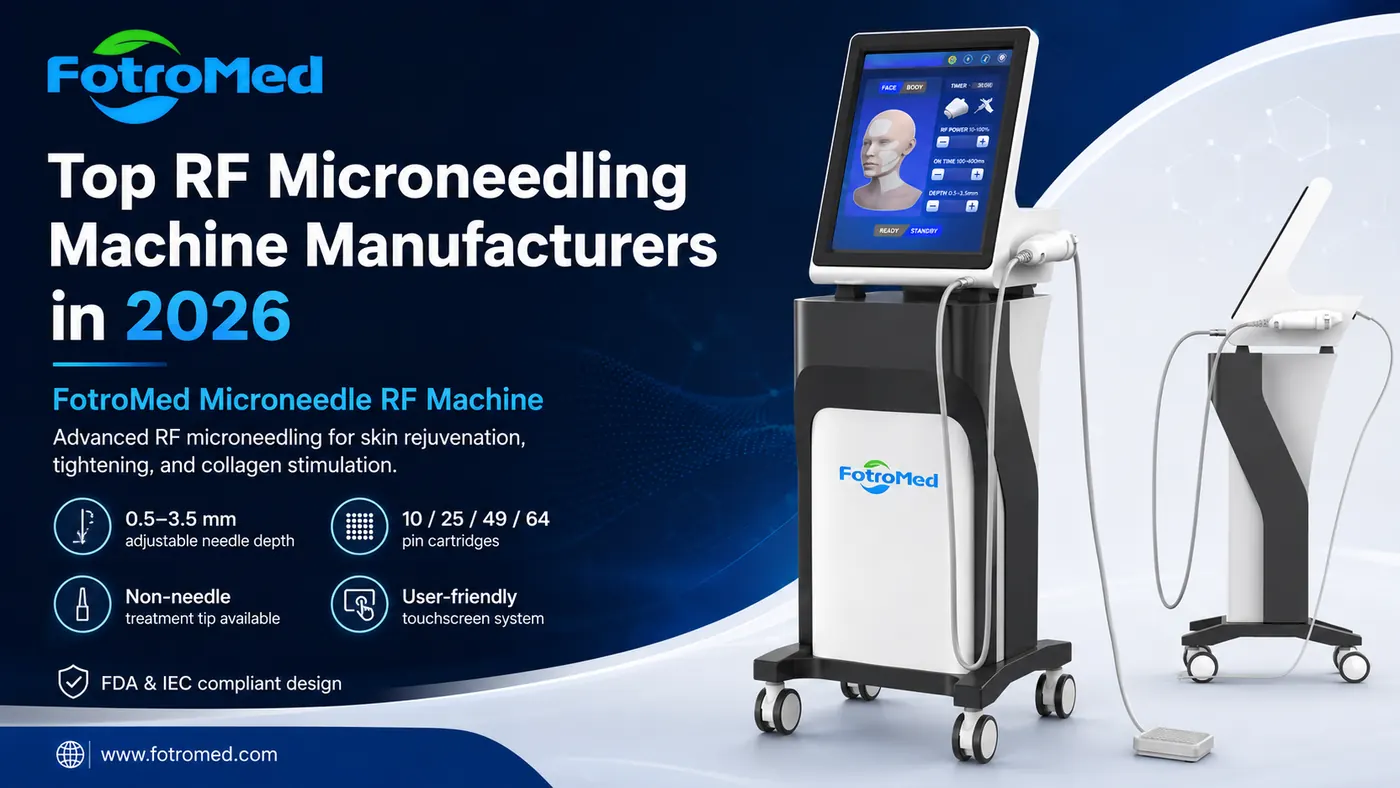
يتمثل دور الصين في هذه السوق في طبقة التصنيع ذاتها: تصنيع المعدات الأصلية (بناء أنظمة تُباع تحت العلامات التجارية لشركات أخرى) وتصنيع التصميم الأصلي (تصميم وبناء أنظمة كاملة يمكن للمشتري وضع علامته التجارية الخاصة عليها). تصنع Fotromed الـ Microneedle RF Machine خط الإنتاج لهذا الطراز — يحمل علامة CE، ومصنع وفق نظام الجودة ISO 13485، ومُصدر مباشرة إلى العيادات والموزعين دون هامش ربح الموزع صاحب العلامة التجارية. ولم تعد هذه الفئة مرادفة لـ “عدم وجود ترخيص أمريكي”: فنظام الإبر الدقيقة بالترددات الراديوية المجزأة AWNS من Fotromed حاصل على ترخيص 510(k) الخاص به. والتنازلات المتبقية تستحق الطرح بوضوح: حيث تحصل على تكلفة شراء أقل بنسبة 60–90% وتواصل مباشر مع المصنع؛ بينما تتنازل عن معرض عرض في الولايات المتحدة وعلامة تجارية شهيرة للتسويق للمرضى.
📐 ملاحظة هندسية: عبر كافة الفئات، تكون المكونات التي تفصل بين النظام المستقر والنظام المليء بالمشاكل هي نفسها الثلاثة: اتساق مخرجات مولد الترددات الراديوية تحت الحمل، ودقة عمق محرك دفع الإبر، وتحملات تصنيع الخراطيش. اطلب من أي مورد محتمل — سواء كان صاحب علامة تجارية أو مصنعًا للمعدات الأصلية — بيانات اختبار المخرجات لهذه العناصر الثلاثة تحديدًا. إن المصنع الذي يجري مراقبة جودة لكل وحدة سينتجها في غضون أيام؛ بينما الشركة التجارية التي تعيد بيع منتجات غيرها لا تستطيع ذلك عادةً.
معتمد من إدارة الغذاء والدواء (Approved) مقابل مصرح به (Cleared) مقابل مسجل (Registered): ماذا تعني هذه التسميات عند الشراء
إليك الجملة التي توفر عليك معظم الوقت في المحادثات مع الموردين: لا يوجد أي نظام إبر دقيقة بالترددات الراديوية في السوق “معتمد من إدارة الغذاء والدواء (FDA approved)”.” إن الاعتماد (Approval) هو مسار موافقة ما قبل التسويق (PMA) المحجوز للأجهزة من الفئة الثالثة عالية المخاطر. بينما أنظمة الإبر الدقيقة بالترددات الراديوية هي من الفئة الثانية وتصل إلى السوق الأمريكية من خلال إخطار ما قبل التسويق 510(k) — ترخيص، يثبت أن الجهاز مكافئ بشكل جوهري لجهاز مسوّق قانونًا بالفعل. Morpheus8، وPotenza، وSecret RF، وSylfirm X: جميعها حاصلة على ترخيص، ولا يوجد أي منها معتمد. المورّد الذي يخبرك أن جهازه “معتمد من إدارة الغذاء والدواء” قد أخبرك للتو بشيء مفيد عن إلمامه باللوائح التنظيمية.
تقع أدنى من الترخيص بدرجة واحدة registration. يجب على أي منشأة تصنع أجهزة للسوق الأمريكية التسجيل لدى إدارة الغذاء والدواء وتحديد منتجاتها — وهي خطوة امتثال تكلف رسومًا سنوية قدرها $11,423 في السنة المالية 2026 ولا تتضمن أي مراجعة للجهاز على الإطلاق. تنص التوجيهات الخاصة بإدارة الغذاء والدواء على أن التسجيل لا يعني الاعتماد أو الترخيص. عبارة “مسجل لدى إدارة الغذاء والدواء” في صحيفة المواصفات تعني المعاملات الورقية والرسوم، لا أكثر.
لماذا إذن تتوقف معظم الشركات المصنعة الصينية عند علامة CE وأيزو 13485 بدلاً من السعي للحصول على 510(k)؟ يعود الأمر للاقتصاد، وليس الهندسة. تبلغ رسوم مراجعة 510(k) القياسية للسنة المالية 2026 وحدها $26,067، كما أن الاختبارات وتحليل المقارنة والاستشارات التي تسبق تقديم الطلب تضاعف هذا الرقم عادةً عدة مرات، لكل جهاز ولكل دواعي استخدام — وذلك لدخول سوق واحدة فقط. المصنع الذي يخدم دفتر طلباته أوروبا والشرق الأوسط وجنوب شرق آسيا وأمريكا اللاتينية يلبي احتياجات تلك الأسواق بـ CE marking بموجب لائحة الأجهزة الطبية في الاتحاد الأوروبي (EU MDR) ونظام ISO 13485 جودة معتمد. المسار التنظيمي الذي تختاره الشركة المصنعة يخبرك أين تبيع، وليس مدى جودة تصنيعها.
التصنيفات الخمسة التي ستواجهها في عروض الأسعار، جنباً إلى جنب:
| التصنيف | ما هو عليه في الواقع | هل يراجع الجهاز؟ | الحائزون النموذجيون في هذه الفئة | أين تتحقق |
|---|---|---|---|---|
| معتمد من إدارة الغذاء والدواء (PMA) | مسار أجهزة الفئة الثالثة عالية المخاطر | نعم — مراجعة سريرية كاملة | None — لا يوجد أي نظام إبر دقيقة بالترددات الراديوية حاصل عليه | قاعدة بيانات PMA لإدارة الغذاء والدواء |
| مرخص بموجب 510(k) من إدارة الغذاء والدواء | تصريح السوق الأمريكية عبر التكافؤ الجوهري | نعم — مراجعة مقارنة | جميع المنصات التجارية الرئيسية؛ Fotromed AWNS | قاعدة بيانات FDA 510(k) |
| مسجل لدى FDA | قائمة المنشآت السنوية (رسوم $11,423/yr) | لا | أي مصنع أو مستورد يدفع الرسوم | قاعدة بيانات التسجيل لدى FDA |
| يحمل علامة CE | مطابقة الاتحاد الأوروبي بموجب MDR | نعم — عبر جهة مخطرة | معظم المصنعين الموجهين للتصدير بما في ذلك Fotromed | EUDAMED / رقم الجهة المخطرة. |
| ISO 13485 | شهادة نظام إدارة الجودة بالمصنع | لا — تدقق في المصنع، وليس الجهاز | أي مصنع معتمد | جهة إصدار الشهادات |
القاعدة العملية: طابق الشهادة مع المكان الذي ستعمل فيه الماكينة بالفعل — وليس مع جواز سفر البائع أو المشتري. بالنسبة لعلاج المرضى داخل الولايات المتحدة، يعني ذلك نظامًا حاصلاً على تصريح 510(k)، ولهذا السبب تحديدًا تضمّن الفئة المباشرة من المصنع الآن طرازات حاصلة على التصريح مثل AWNS بدلاً من ترك هذا السيناريو للمنصات ذات العلامات التجارية. أما خارج الولايات المتحدة — دبي، ساو باولو، مدريد، الرياض — فإن الشهادة السارية هي علامة CE بالإضافة إلى متطلبات التسجيل الوطنية للمشتري، وغياب تصريح 510(k) لا يغير شيئًا في مدى ملاءمة الجهاز لتلك الأسواق: فخط الإنتاج نفسه يخدم كلا الأمرين. الموزعون الذين يشترون لإعادة التصدير يتبعون قواعد سوق الوجهة، وليس ميناء الشراء. اعتبر غياب تصريح 510(k) بمثابة مؤشر على استراتيجية السوق، وليس حكماً على الجودة. إثبات جودة الإنتاج موثق في مكان آخر: نطاق شهادة ISO 13485 والجهة المصدرة لها، ومصادر المكونات المحددة، وشروط الضمان المكتوبة، ومدى استعداد المصنع لإظهار بيانات اختبار المخرجات.
⚠️ فخ المشتري: عبارة “معتمد من FDA” في التسويق لأجهزة الوخز بالإبر الدقيقة بالترددات الراديوية تعتبر شارة تحذيرية بغض النظر عمن يقولها — بما في ذلك الموزعون في الولايات المتحدة. فإما أن البائع لا يعرف الفرق بين الاعتماد (Approval) والتصريح (Clearance)، أو يأمل أنك لا تعرفه. وفي كلتا الحالتين، تحقق من كل ادعاء آخر في عرض السعر مرتين.
كم تبلغ تكلفة جهاز الوخز بالإبر الدقيقة بالترددات الراديوية (RF)؟
فئات الأسعار الواقعية لعام 2026، حسب المستوى. هذه هي نطاقات المعاملات النموذجية الملاحظة عبر عروض أسعار الموزعين وخبرة التصدير لـ Fotromed، وليست أسعار قائمة — اعتبرها نقاط مرجعية للتفاوض، وتوقع أن يتغير الرقم بناءً على التكوين (عدد المقابض، حزمة الخراطيش، حزمة التدريب).
| Tier | نطاق السعر النموذجي | ما يشمله السعر |
|---|---|---|
| منصات العلامات التجارية الرائدة (Morpheus8, Potenza, Secret RF, Sylfirm X, VirtueRF, Exion, Genius) | $70,000–$180,000+ | الجهاز، ضمان الموزع، التدريب في الموقع أو في الأكاديمية، الأصول التسويقية، خيارات التمويل |
| المنصات الاقتصادية الأمريكية (Pixel8-RF وما يماثلها) | $40,000–$60,000 | الجهاز، ضمان الشركة المصنعة، التدريب عن بُعد |
| أنظمة OEM/ODM المباشرة من المصنع (AWNS وDermaPulse وما يماثلها) | $2,000–$10,000 | الجهاز، ضمان المصنع (عادةً 12–24 شهرًا)، التدريب عن بُعد وتوثيق البروتوكول |
التفاوت داخل فئة العلامات التجارية الرائدة يرجع فيظغظ معظمه إلى هيكل القناة — فهامش ربح الموزع، وصالة العرض، وعمولات المبيعات، وإعلانات العلامة التجارية للمرضى كلها تدخل في السعر — بالإضافة إلى التكلفة الموزعة للتصريح الأمريكي والدراسات السريرية. أما ما يمثله هذا التفاوت not فهو فارق تناسبي في تكلفة العتاد: حيث يتم توريد خراطيش الإبر، ولوحات التردد الراديوي، والمحركات من شبكات موردين متداخلة.
بند المستهلكات الذي تغفله معظم عروض الأسعار
تستهلك كل جلسة علاج بالوخز بالإبر الدقيقة بالترددات الراديوية خرطوشة إبر للاستخدام مرة واحدة، وتتفاوت أسعار الخراطيش بين الفئات بشكل أكبر من تفاوت أسعار الأجهزة نفسها. تتراوح أسعار رؤوس الإبر الخاصة بالعلامات التجارية الشهيرة عادةً بين $150 و$300 لكل رأس؛ بينما تتراوح أسعار الخراطيش ذات التنسيق المفتوح أو المباشرة من المصنع بين $15 و$50 (ملاحظات السوق، منتصف عام 2026). صورة إجمالية لمدة ثلاث سنوات لعيادة متوسطة تجري 20 جلسة شهريًا — مثال توضيحي فقط:
| بند التكلفة (3 سنوات، 20 جلسة\/شهر) | منصة رائدة ذات علامة تجارية | نظام OEM مباشر من المصنع |
|---|---|---|
| شراء الجهاز | $120,000 | $5,000 |
| سعر وحدة الخرطوشة | $200 | $30 |
| المستهلكات شهريًا | $4,000 | $600 |
| المستهلكات على مدار 3 سنوات | $144,000 | $21,600 |
| إجمالي تكلفة الملكية لمدّة 3 سنوات | $264,000 | $26,600 |
| التكلفة لكل جلسة (720 جلسة) | ~$367 | ~$37 |
بهذا الحجم، تبلغ الفجوة السنوية للمستهلكات وحدها حوالي $40,000 — وهو أكبر من إجمالي فارق سعر الشراء بين بعض الفئات، وهو البند الذي يحدد بالفعل الحد الأدنى لسعر الجلسة المجدي بالنسبة لك. قبل التوقيع على أي شيء، احصل على سعر الخرطوشة، والحد الأدنى للطلب، ومدة التوريد المضمونة في العقد, ، لأن الخرطوشة المخصصة تمثل أيضًا تكلفة تغيير: ففي اليوم الذي ترتفع فيه أسعار الرؤوس، ستكون خياراتك الوحيدة إما الدفع أو إيقاف الجهاز.
💡 نصيحة للمحترفين: أياً كانت الفئة التي تشتري منها، اطلب التزامًا كتابيًا بتوريد الخراطيش — السقف السعري، ومدة التسليم، وأفق التوفر (يُعد طلب 5 سنوات أمرًا معقولاً). يمكن للمصنعين التوقيع على هذا مباشرة؛ بينما يتعين على الموزعين الرجوع إلى المصنع، وتخبرك سرعة هذه الإجابة كيف ستسير العلاقة بعد البيع.
الشراء المباشر من مصنّع OEM\/ODM: كيف يعمل الأمر فعليًا
إن عملية الشراء المباشر من المصنع أسهل مما يتوقعه معظم المشتريين لأول مرة، وتساعدك معرفة التسلسل القياسي على تقييم أي مورد — بما في ذلك نحن. من جانب Fotromed في عدة آلاف من معاملات التصدير، إليك النسخة الصريحة:
الحد الأدنى لكمية الطلب (MOQ). تبيع الشركات المصنعة الموثوقة لـ OEM، بما في ذلك Fotromed، وحدات فردية — والحد الأدنى للطلب وحدة واحدة هو المعيار لمشتري العيادات. تبدأ أسعار الكميات في التغير عند 5–10 وحدات، وهي النقطة التي تبدأ عندها المحادثات مع الموزعين.
مدة التوريد. يتم شحن التكوينات المتوفرة في المخزون خلال 3–7 أيام عمل؛ أما التجميعات المخصصة (العلامة التجارية الخاصة، حزم لغات واجهة المستخدم، القابس والجهد الكهربائي الإقليمي) فتستغرق عادةً من 15–25 يوم عمل. ومدة التوريد المعروضة التي تقل عن أسبوع لجهاز “مخصص” تعني عادةً أنه لا يتم تخصيص أي شيء.
ما يمكن تخصيصه — وما لا يمكن تخصيصه. يغطي تخصيص ODM بشكل واقعي لون الهيكل والعلامة التجارية، وتهيئة المقبض، وتنسيقات الخراطيش، ولغة البرنامج وواجهة المستخدم، والتغليف. ولا يغطي بنية لوحة الترددات الراديوية (RF) الأساسية أو البرمجيات الثابتة الحاسمة لسلامة الجهاز — فالمصنع الذي يعرض إعادة كتابة تلك العناصر لطلب وحدة واحدة يصف جهازاً غير مختبر، وليس خدمة.
هيكل خدمات ما بعد البيع. يعتمد الدعم المباشر من المصنع على التشخيص عن بُعد (تسجل معظم الأنظمة الحالية رموز الأعطال التي يمكن قراءتها عبر مكالمة فيديو)، وإرسال قطع الغيار مع تغطية ضمان لمدة 12 إلى 24 شهراً، وشحن مقابض بديلة بدلاً من إصلاحها في الموقع. هذا هو المقابل الفعلي لوجود فني محلي من الموزع — خطط لذلك: العيادات التي تحتفظ بمقبض غيار واحد على الرف تتخلص من معظم مخاطر التوقف عن العمل المهمة.
إذا كنت ترغب في الاطلاع على كيفية مقارنة صحيفة المواصفات المباشرة من المصنع بالأنظمة ذات العلامات التجارية في الجدول أعلاه، فإن نظام الوخز بالإبر الدقيقة مع الترددات الراديوية المجزأة AWNS تعرض صفحتها التهيئة المعتمدة من 510(k) بمخرج ترددات راديوية ثنائي القطبي بقدرة 1MHz، وتنسيقات الخراطيش، ونفس التوثيق الذي نرسله في حزم عروض الأسعار.
التوريد للمنتجعات الصحية والاستوديوهات الصغيرة
تختلف آلية الشراء في المنتجعات الصحية، والمنتجعات الصحية الطبية، والاستوديوهات ذات المشغل الواحد عن سلاسل العيادات، وتظهر خريطة المصنعين أعلاه بشكل مختلف من هذا المنظور. ثلاثة تعديلات:
اشترِ وفقاً لقائمة العلاجات لديك، وليس الحد الأقصى للمواصفات. يستخدم الاستوديو الذي يقدم خدمات تجديد شباب الوجه وعلاج تحسين ملمس البشرة بعد حب الشباب جزءاً صغيراً فقط من تهيئة المنصة الرائدة. إن المواصفات التي تقيد بالفعل أي نشاط صغير هي تكلفة الخرطوشة لكل جلسة (والتي تحدد الحد الأدنى لسعر العلاج القابل للتطبيق)، ووزن المقبض على مدار يوم عمل يتضمن 6 جلسات علاجية، ونطاق العمق لدواعي الاستعمال التي تقدمها بالفعل — وعادةً ما تكون التغطية من 0.5–3.5 mm كافية.
التمويل يغير حسابات الفئات. يبدأ موزعو المنصات الرائدة بالتمويل الشهري ($1,500–$3,000/شهرياً على مدى 5 سنوات هو النمط الشائع)، والذي يبدو ميسور التكلفة حتى تضيف خط الخراطيش المملوكة المذكور في القسم أعلاه. وغالباً ما يصل النظام المباشر من المصنع بتكلفة $3,000–$6,000 والمفوع بالكامل مقدماً إلى نقطة التعادل في حدود 15–30 جلسة علاجية بالأسعار النموذجية للجلسات — احسب عدد الجلسات، وليس الدفعة الشهرية.
أهمية التدريب. يعتمد مشغلو المنتجعات الصحية الذين لا يملكون أطباء مديرين في المنشأة بشكل أكبر على التدريب. اسأل أي مورد — سواء كان يبيع علامة تجارية أو OEM — عن التدريب المضمن بالضبط، وبأي صيغة، وما إذا كانت وثائق البروتوكول تغطي قائمة العلاجات الخاصة بك بالتحديد. احصل على الإجابة كتابياً قبل دفع العربون، لأن عبارة “التدريب الكامل مشمول” تشمل كل شيء بدءاً من أكاديمية مدتها ثلاثة أيام وحتى ملف PDF.
الأسئلة الشائعة
من يصنع جهاز Morpheus8؟
تتم تصنيع Morpheus8 بواسطة شركة InMode Ltd.، وهي شركة أجهزة طبية إسرائيلية، وتباع في الولايات المتحدة مباشرة من خلال مؤسسة المبيعات الخاصة بـ InMode بموجب تصريح 510(k). وتعتبر واحدة من أنظمة الوخز بالإبر الدقيقة بالترددات الراديوية الرئيسية القليلة التي تكون فيها العلامة التجارية والمصنع والبائع في الولايات المتحدة هم نفس الشركة.
ما هي العلامة التجارية لأجهزة الوخز بالإبر الدقيقة التي تعتبر الأفضل؟
لا يوجد جهاز واحد هو الأفضل — تختلف المنصات الرائدة بشكل أساسي في تصميم المقبض، والتحكم في النبضات، وهيكل الدعم، بينما يعتمد الاختيار المناسب على سوقك، ومزيج المرضى لديك، وفئة ميزانيتك. للحصول على تفصيل نموذج تلو الآخر عبر أنواع العيادات المختلفة، راجع دليلنا لاختيار أفضل جهاز وخز بالإبر الدقيقة بالترددات الراديوية.
كم تبلغ تكلفة جهاز الوخز بالإبر الدقيقة بالترددات الراديوية في عام 2026؟
يتراوح نطاق الصفقات النموذجي بين: $70,000–$180,000+ للأنظمة الرائدة ذات العلامات التجارية الشهيرة، و $40,000–$60,000 للأنظمة الاقتصادية الأمريكية، و $2,000–$10,000 لأنظمة OEM المباشرة من المصنع. يضاف إلى ذلك المستهلكات: تبلغ تكلفة الخراطيش أحادية الاستخدام $150–$300 (خاصة بالعلامة التجارية) أو $15–$50 (من المصنع مباشرة) لكل جلسة علاجية، وتتجاوز هذه التكلفة في كثير من الأحيان الفارق في سعر الجهاز خلال عام واحد.
لماذا لا يفضل بعض جراحي التجميل تقنية الوخز بالإبر الدقيقة بالترددات الراديوية؟
تتمثل الانتقادات المهنية الرئيسية في اعتماد النتائج على مهارة الممارس والتسويق الذي يتجاوز الأدلة لبعض الادعاءات. القاعدة السريرية آخذة في النضج: وجدت مراجعة منهجية أجريت عام 2026 وشملت 22 دراسة (558 مشاركاً) تحسناً تجميلياً مستمراً مع آثار جانبية خفيفة وعابرة غالباً (مجلة طب الجلد التجميلي). يجب أن تستند قرارات الشراء إلى دواعي الاستعمال المعتمدة، وليس إلى الوعود الفضفاضة.
هل تستحق أجهزة الوخز بالإبر الدقيقة بالترددات الراديوية المستعملة الشراء؟
في بعض الأحيان — قد يقل سعر الجهاز الرائد المستعمل بنسبة 40–60% عن الجديد. تحقق من ثلاثة أشياء أولاً: أن الشركة المصنعة أو الموزع سينقل الضمان وأهلية الصيانة (كثير منهم لا يفعلون ذلك)، وأن خراطيش هذا الجيل من الطراز لا تزال قيد الإنتاج، وعدد طلقات قبضة اليد. الجهاز المستعمل الذي لا تتوفر له مستهلكات ليس سوى حامل شاشة.
حول هذا الدليل. تم إعداد هذا الدليل بواسطة فريق التحرير في Fotromed استناداً إلى جداول رسوم إدارة الغذاء والدواء الأمريكية (FDA) وقواعد بيانات الأجهزة، والوثائق التنظيمية للاتحاد الأوروبي، والأدبيات المراجعة من قبل الأقران، والمواد المعلنة للمصنعين والموزعين، وسجلات التصنيع والتصدير الخاصة بـ Fotromed كشركة مصنعة لأجهزة الوخز بالإبر الدقيقة بالترددات الراديوية وحاصلة على شهادة ISO 13485 وتصدر إلى أكثر من 50 دولة، والحاصل نظام AWNS الخاص بها على تصريح FDA 510(k). النطاقات السعرية هي ملاحظات سوقية محدثة حتى منتصف عام 2026، وتُقدم كمرجع للشراء؛ ويجب إعادة التحقق من الحالات التنظيمية من قواعد البيانات الرسمية عند الشراء.
هل تخطط للشراء؟ أرسل fotromed قائمة العلاجات لديك والحجم الشهري، وسنرسل لك عرض سعر لتكوين DermaPulse مع أسعار الخراطيش والتزام التوريد خلال يوم عمل واحد.
References & sources
- إخطار ما قبل التسويق 510(k) — إدارة الغذاء والدواء الأمريكية
- تعديلات رسوم مستخدمي الأجهزة الطبية (MDUFA): الرسوم — إدارة الغذاء والدواء الأمريكية
- قاعدة بيانات إشعار ما قبل التسويق 510(k) — إدارة الغذاء والدواء الأمريكية
- CE marking — المفوضية الأوروبية
- ISO 13485:2016 الأجهزة الطبية — أنظمة إدارة الجودة — المنظمة الدولية للمعايير
- الوخز بالإبر الدقيقة بالترددات الراديوية لتجديد شباب الوجه: مراجعة منهجية — مجلة الأمراض الجلدية التجميلية، 2026