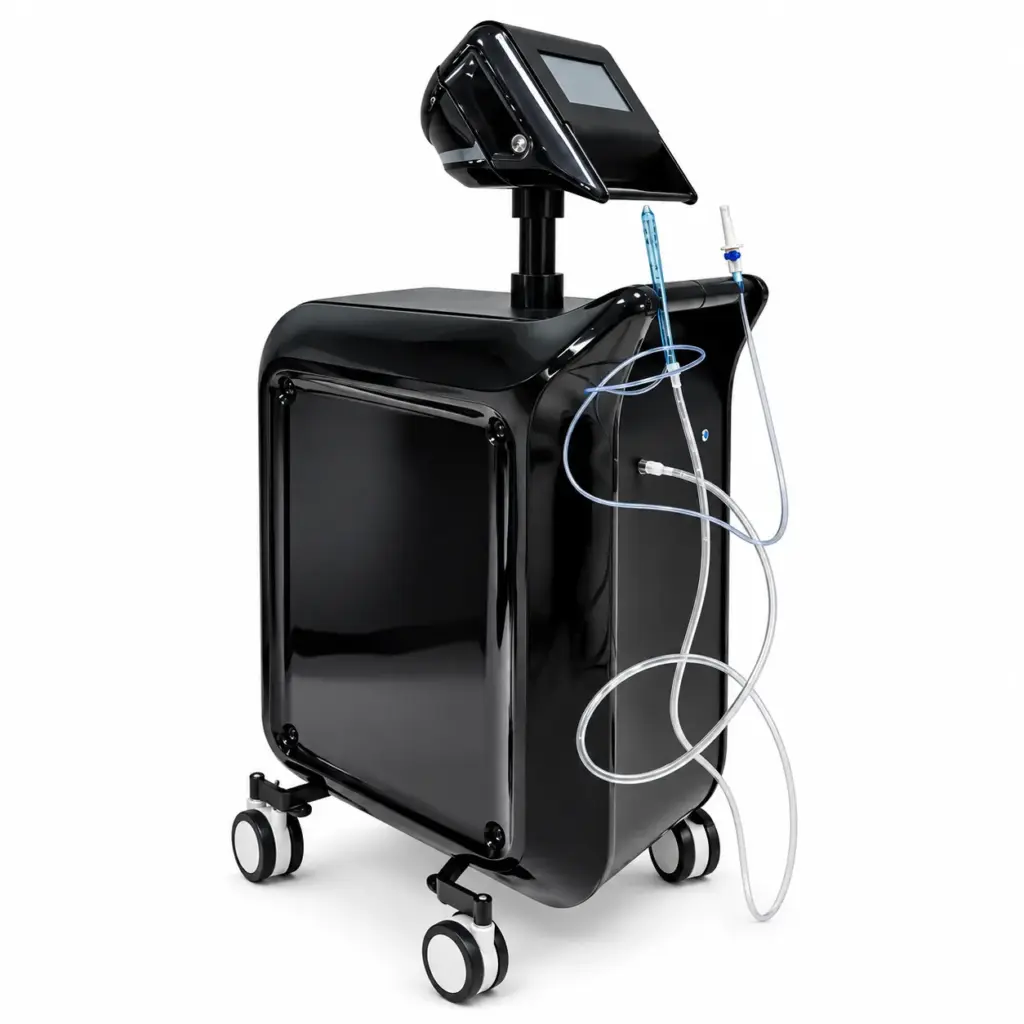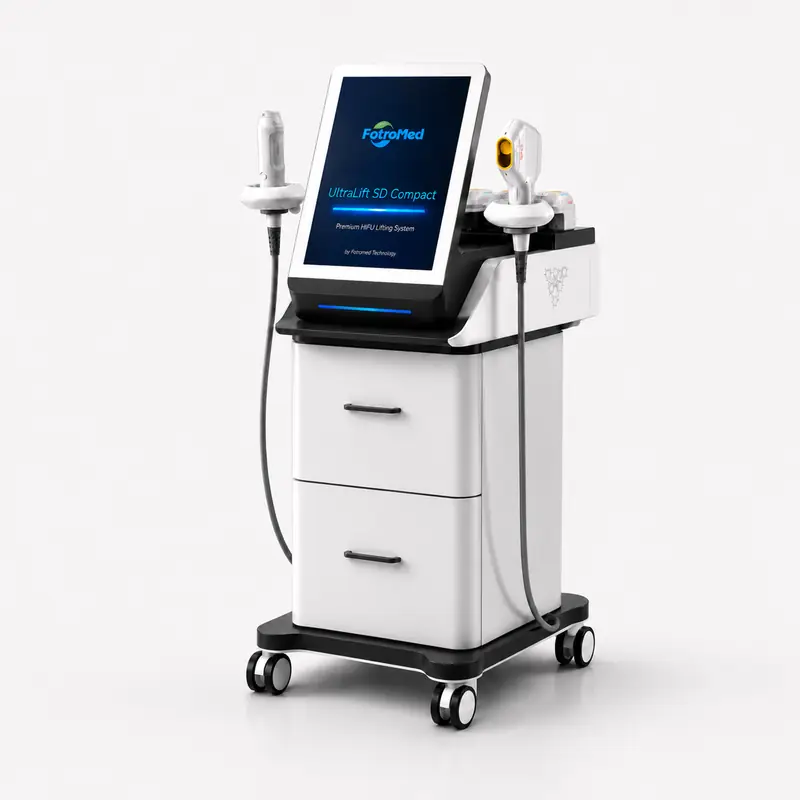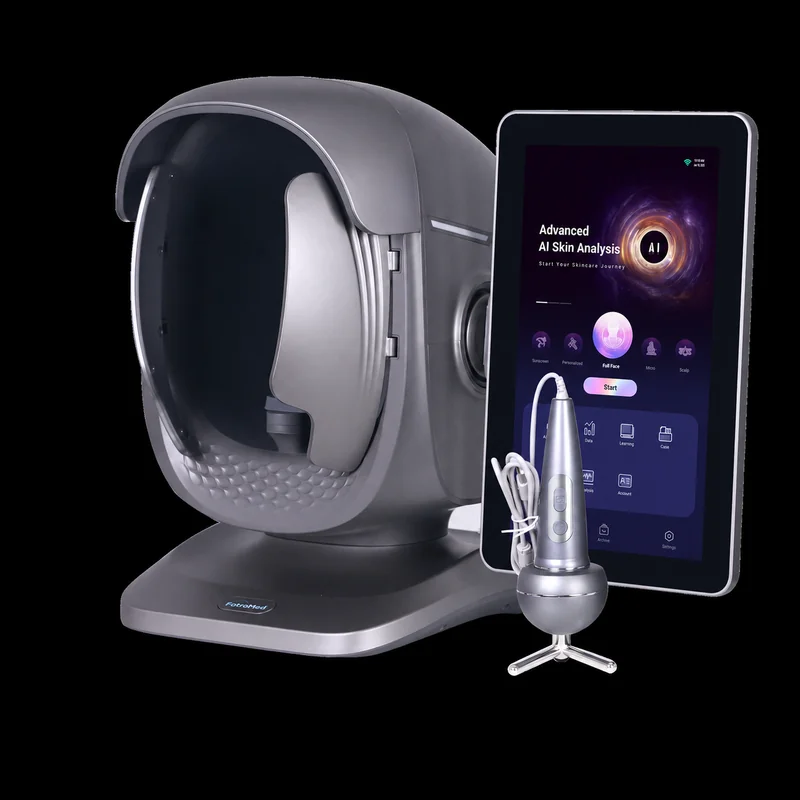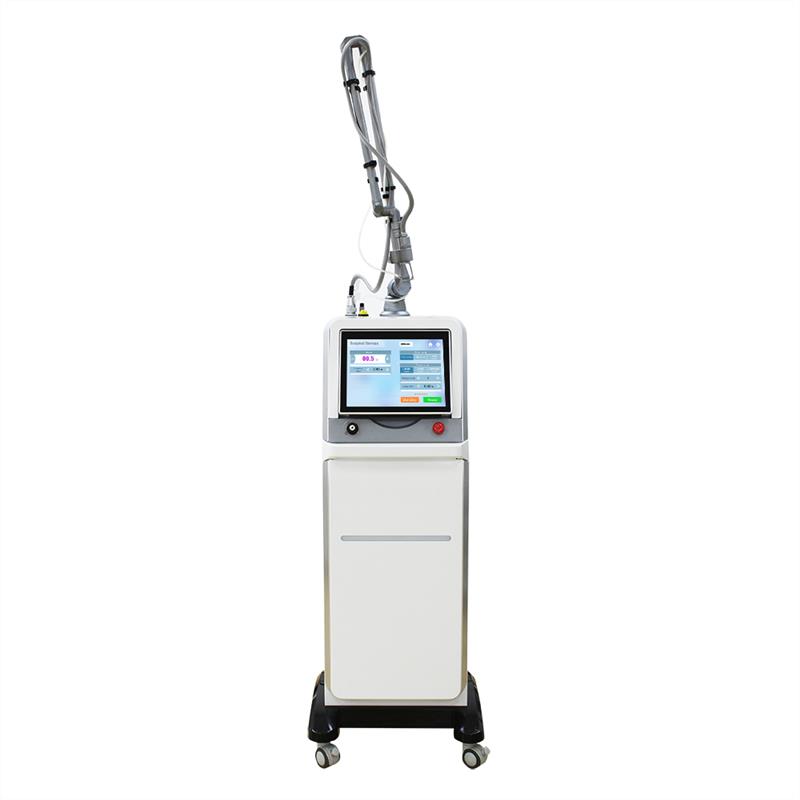

The demand for microneedling treatments is rapidly increasing, with the RF microneedling market projected to grow from $0.29 billion in 2023 to approximately $0.51 billion by 2032. Clinics and salons are now utilizing these devices more frequently as they enhance skin quality without the need for surgery. These machines effectively treat deep wrinkles, significantly diminish the appearance of acne scars and uneven pigmentation, and tighten loose skin. Industry studies indicate that approximately 73% of dermatologists and aesthetic professionals prefer RF microneedling for its superior skin-tightening capabilities. FotroMed stands out as a leader in this field, offering advanced tools such as the FDA-cleared RF Machine, DermaPulse XL, DermaPulse, and Derma Frac MNRF. For those interested, ongoing microneedle RF machine sales provide practitioners with safe, precise, and high-ROI treatment solutions.
Key Takeaways
- RF microneedling mixes tiny needles with radio waves to improve skin and fix problems like wrinkles, scars, and pigmentation.
- Choosing machines with FDA, CE, ISO 13485, and TGA certifications ensures treatments are safe and effective, helping clients feel calm and secure.
- Buying RF microneedling machines can make good money since clinics charge $500 to $1,500 per session.
- Choose machines with changeable needle lengths and settings to fit different skin types and client needs.
- The RF microneedling business is growing fast, making it a smart pick for clinics and salons to get and keep clients.
What is RF Microneedling?
Overview of RF Microneedling
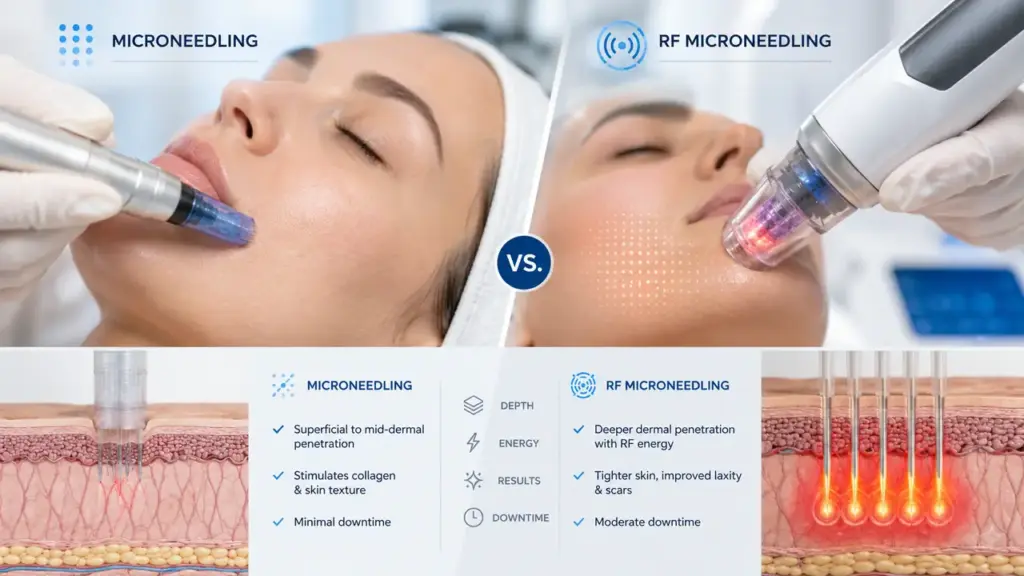
RF microneedling combines traditional microneedling with radiofrequency energy to deliver superior skin rejuvenation. This advanced treatment creates controlled micro-injuries on the skin’s surface while simultaneously delivering precise RF heat deep into the dermis. This dual-action process significantly boosts the production of collagen and elastin, which effectively smooths fine lines, tightens loose skin, and dramatically improves the appearance of acne scars and hyperpigmentation. Unlike traditional microneedling that only targets the superficial layer, RF microneedling penetrates deeper into the tissue for far more profound and long-lasting clinical results.
The global commercial RF microneedling market is experiencing unprecedented growth, with industry projections estimating the market size to reach $734.5 million in 2026 and expand at a robust CAGR of 9.6% through 2035. North America currently leads the sector, accounting for nearly 39% of the global market share, while the Asia-Pacific region rapidly follows at 31%. For clinics and salons, the business opportunity is incredibly strong, driven heavily by a surging consumer preference for non-surgical aesthetic treatments. From a technology standpoint, fractional RF systems now dominate with 52% of total usage, closely followed by bipolar RF systems at 34%. Crucially for modern practitioners, over 61% of newly installed devices now feature customizable treatment parameters, allowing for precise, safe, and tailored skin rejuvenation that guarantees high patient satisfaction and an excellent return on investment.
Data Source: 360 Research Reports – Commercial RF Microneedling System Market Size and Growth Report, 2035
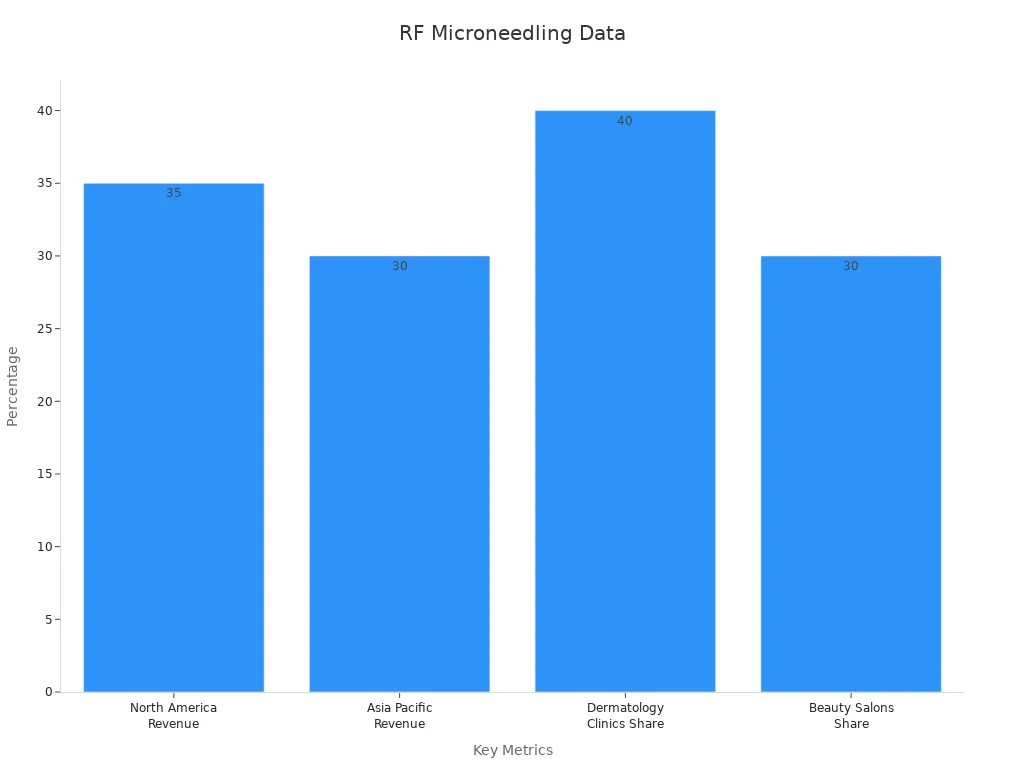
| Key Metrics | Data |
|---|---|
| Projected CAGR (2023-2030) | About 10% |
| Estimated Market Value by 2025 | Over $300 million |
| North America Revenue Contribution | 35% |
| Asia Pacific Revenue Contribution | 30% |
| Market Share of Dermatology Clinics | 40% |
| Market Share of Beauty Salons | 30% |
| Fastest Growing Sub-segment | Bipolar Type |
Benefits of RF Microneedling for Skin Rejuvenation
RF microneedling offers comprehensive benefits for skin rejuvenation, making it a highly sought-after treatment in aesthetic clinics. It effectively addresses fine lines, wrinkles, acne scars, and stubborn hyperpigmentation while visibly refining skin texture. The precise combination of physical microneedles and targeted RF energy stimulates the deep dermis to accelerate the body’s natural collagen and elastin production. This dual-action mechanism results in firmer, tighter, and more youthful-looking skin. Clinical studies consistently demonstrate significant, long-lasting improvements in overall skin quality following RF microneedling procedures.
- Results from Clinical Trials:
- Gold et al found long microneedles reduce wrinkles better than short ones.
- Jiang et al showed fractional RF works better than Erbium YAG lasers for face wrinkles.
- Another study showed a 1.49 drop in Fitzpatrick Score and fewer wrinkles (P < 0.001).
| Study | RF Technology | Comparison | Outcome |
|---|---|---|---|
| Gold et al | AGNES device | Long microneedle vs short microneedle | Long microneedle reduces wrinkles better |
| Jiang et al | eMatrix | Fractional RF vs Erbium YAG laser | Fractional RF better for lower face wrinkles |
| Randomized Controlled Trial | Fractional bipolar RF | RF therapy vs low-level laser therapy | No big changes in lower face wrinkles |
Why RF Microneedling is Ideal for Clinics and Salons
RF microneedling is an excellent investment for clinics and salons due to its high efficacy and versatility. As consumer demand for non-surgical aesthetic treatments continues to rise, it has become a strategic choice for skincare professionals. According to recent industry reports, the global RF microneedling market is projected to expand at a compound annual growth rate (CAGR) of 7.8% between 2025 and 2035. This advanced technology effectively treats acne scars, hyperpigmentation, wrinkles, and loose skin.
The procedure is exceptionally safe for all skin types, including darker skin tones, and requires minimal downtime. This makes it highly appealing to clients who desire significant results without interrupting their daily routines. By integrating professional RF microneedling devices into your practice, you can deliver premium treatments that maximize client satisfaction and significantly drive business growth.
Data Source: Vantage Market Research – RF Microneedling Market Size & Share | Growth Analysis 2035
How RF Microneedling Works
How It Works
RF microneedling uses two technologies: microneedling and radiofrequency energy. Tiny needles make small injuries on your skin’s surface. These injuries help your body heal and make more collagen. At the same time, RF energy goes deeper into your skin. It heats the tissue to tighten it and boost elastin.
This advanced method is highly effective for reducing wrinkles, minimizing the appearance of scars and pigmentation, and smoothing rough skin texture. By targeting both the superficial epidermis and deeper dermal layers, it delivers optimal, long-lasting results. Furthermore, clinical studies indicate that fractional RF devices like AGNES and eMatrix serve as highly effective alternatives to Erbium YAG lasers. They excel in reducing wrinkles and improving skin texture while significantly lowering the risk of post-inflammatory hyperpigmentation, especially in diverse skin tones. This scientifically backed safety profile explains why both practitioners and patients increasingly prefer these advanced treatments.
| Study | RF Technology | Comparison | Outcome |
|---|---|---|---|
| Gold et al | AGNES device | Long microneedle vs short microneedle | Long microneedle reduces wrinkles better |
| Jiang et al | eMatrix | Fractional RF vs Erbium YAG laser | Fractional RF improves lower face wrinkles |
How RF Microneedling is Different from Regular Microneedling
RF microneedling has more benefits than regular microneedling. Both make tiny injuries to boost collagen, but RF adds heat. This heat helps remodel collagen and makes more elastin and hyaluronic acid. These changes make skin firmer and more hydrated.
While regular microneedling is great for surface-level touch-ups, it struggles with deeper issues like deep acne scars, dark spots, and sagging skin. RF microneedling solves this by delivering precise heat deep into the tissue. This process actively tightens the skin, shrinks large pores, and smooths out rough textures, making it the ultimate solution for a firmer, younger-looking appearance.
| Feature | RF Microneedling | Traditional Microneedling |
|---|---|---|
| How It Works | Uses microneedling and RF energy for deeper treatment | Only uses microneedling for surface treatment |
| Collagen Boost | RF energy heats tissue to improve collagen | Micro-injuries alone trigger collagen |
| Skin Improvements | Helps improves the appearance of pigments, pores and texture | Only helps surface-level issues |
Key Features to Look for in Professional RF Microneedling Machines
Safety Features
When picking an Professional RF microneedling machine, safety is very important. Modern machines use advanced tech to keep treatments safe and effective. Look for features like cooling systems to make clients more comfortable. Machines with adjustable needle depths let you match treatments to each client’s skin needs. This lowers the chance of overdoing it. Insulated needles also help by reducing extra heat on the skin.
Certifications like FDA approval, CE marking, and ISO 13485 show the machine meets strict safety rules. These certifications help prevent problems like infections or skin damage. They give both you and your clients peace of mind.
| Safety Feature | Description |
|---|---|
| Cooling Systems | Keeps clients comfortable during treatments. |
| Adjustable Needle Depths | Matches treatment to client needs. |
| RF Energy Levels | Adjusts for different treatment strengths. |
| Safety Certifications | Proves the device is safe and reliable. |
Customization Options (e.g., depth, intensity)
Customization is key to meeting diverse client needs. Machines with adjustable needle depths, like the FDA AWNS RF Machine ,DermaPulse XL, can effectively treat deeper structural issues such as severe acne scars and stubborn skin discoloration. Furthermore, devices with interchangeable probes, such as the Derma Frac MNRF, offer exceptional versatility, allowing practitioners to address a wide range of skin concerns with a single system. For clinic owners looking to expand their service offerings cost-effectively, exploring the Top Affordable RF Microneedling Machines for Professionals in 2026 is a strategic move to ensure a high return on investment and excellent patient outcomes.
You can pick insulated or non-insulated needles based on the results you want. Monopolar and bipolar RF options give even more flexibility. These settings let you control how deep and strong the RF energy goes. This helps improve collagen and makes skin smoother.
| Feature | Description |
|---|---|
| Adjustable Needle Depths | Goes up to 7mm for deeper treatments. |
| Interchangeable Probes | Handles different skin concerns. |
| Insulated vs Non-Insulated | Affects treatment results. |
| Monopolar vs Bipolar RF | Changes how effective treatments are. |
Ease of Use and Maintenance
Easy-to-use machines make treatments faster and better for clients. Devices with simple touchscreens and comfortable designs are easier to handle. Machines like those from FotroMed have user-friendly controls, saving time and helping new users learn quickly.
Maintenance is also important. Good machines are easy to clean and keep working well over time. Many users say these features improve skin tightening and fix uneven skin tone. High ratings for comfort and safety show why advanced machines are worth it.
Tip: Pick machines with good customer support and warranties for long-term use.
| Feature | Benefit |
|---|---|
| User-friendly interfaces | Makes treatments faster and improves client results. |
| Ergonomic designs | Adds comfort and consistency during treatments. |
| Easy maintenance | Keeps the machine working well for a long time. |
FDA Approval and Certifications
Picking an RF microneedling machine with FDA approval is very important. These certifications prove the device is safe and works well. Machines like FotroMed’s AWNS RF Machine is FDA-cleared, making them reliable for clinics and salons. The FDA stresses using designed to meet relevant standards of ce/fda/iso13485 devices only. Always check if the machine is listed in the FDA’s De Novo or 510(k) databases to confirm its authenticity.
Tip: Make sure your machine has certifications like FDA approval, CE marking, or ISO 13485 compliance. These certifications lower risks like infections and skin damage, ensuring safe and effective treatments.
| Certification Type | What It Ensures |
|---|---|
| FDA Approval | Safety and effectiveness |
| CE Marking | Meets European Union standards |
| ISO 13485 | Quality management systems |
Certified devices protect your clients and improve your clinic’s reputation. They show you’re a trusted provider of advanced skin treatments.
Cost and ROI for Clinics and Salons
Buying an RF microneedling machine may seem pricey, but it pays off over time. Each session costs clients between $500 and $1,500. Many clients need several sessions, creating steady income for your business. Offering RF microneedling attracts new clients and keeps current ones coming back.
To figure out your return on investment (ROI), follow these steps:
- Write down the machine’s price.
- Count daily appointments.
- Note weekly clinic days.
- Add the average session price.
- Subtract session costs.
- Calculate how fast you’ll recover the cost.
For example, if your machine costs $20,000 and you charge $1,000 per session, you only need 20 sessions to break even. With repeat clients, your clinic can earn profits quickly.
Note: Machines like FotroMed’s DermaPulse XL offer flexible treatments for many skin concerns. This flexibility boosts earnings and speeds up ROI.
Top Microneedle RF Machines for Clinics and Salons
FotroMed FDA AWNS Microneedle RF Machine
Key Features
The FDA Approved Radio Frequency Microneedling Machine uses microneedling and radiofrequency energy for accurate skin treatments. It has adjustable needle depths from 0.5mm to 3.5mm, making it easy to treat different skin issues. The machine includes probes with 10, 25, 49, and 64 pins, plus a non-needle option for gentle treatments. With FDA and IEC certifications, it is both safe and dependable.
| Feature | Description |
|---|---|
| Adjustable Needle Depths | From 0.5mm to 3.5mm |
| Interchangeable Probes | 10, 25, 49, 64 pins, and non-needle tip |
| Certifications | Designed to meet relevant standards of CE/FDA/ISO13485 by FDA and IEC |
| RF Energy | Bipolar RF for even energy distribution |
Benefits and Ideal Use Cases
This FDA-approved RF microneedling device effectively targets wrinkles, severe acne scars, and stubborn hyperpigmentation. By utilizing gold-plated insulated microneedles and precise bi-polar radiofrequency energy, it deeply stimulates collagen production to significantly improve skin texture and firmness. Suitable for both face and body treatments, the machine offers intuitive smart controls and ensures rapid patient recovery. Clinical evidence highlights its exceptional dermal remodeling results with a minimized risk of PIH and burns, making it a highly trusted solution for aesthetic professionals.
DermaPulse XL by FotroMed
Key Features
The DermaPulse XL is made for deep skin care. It has adjustable needle depths up to 7mm, which helps treat deeper skin layers. It comes with four probes (12P, 24P, 40P, and a nanocrystalline head) and uses Burst Mode RF for steady energy delivery. Its design and cooling system keep clients comfortable during sessions.
- Adjustable needle depths for tailored treatments.
- Burst Mode RF ensures even energy use.
- Strong and comfortable design for long-term use.
Benefits and Ideal Use Cases
The core advantage of this machine lies in its innovative Fractional RF treatment technology. By combining precise physical microneedling with fractional radiofrequency thermal energy, it safely and evenly delivers power deep into the subcutaneous tissue—reaching depths of up to 7mm. This process powerfully stimulates the restructuring and regeneration of both collagen and elastin. This breakthrough fractional approach is not only gentle enough for delicate facial areas, such as around the eyes, but also robust enough to tackle deeper tissue repair on the neck and body. For clinics, the fractional energy delivery system significantly minimizes the risk of epidermal thermal damage, ensuring minimal downtime for patients while consistently providing reliable clinical results. Consequently, this device stands as the premier choice for medical aesthetic practices seeking durable, cutting-edge anti-aging equipment.
DermaPulse by FotroMed
Key Features
The DermaPulse RF Machine combines microneedling and RF energy for complete skin care. It has adjustable needle depths from 0.5mm to 7mm and four probes for flexibility. Using Burst Mode RF, it targets different skin layers effectively. Its settings can be adjusted for various skin types and problems.
| Feature | Description |
|---|---|
| Adjustable Needle Depths | From 0.5mm to 8mm |
| Probes | Four interchangeable probes |
| RF Technology | Burst Mode RF for better energy control |
| Treatment Areas | Works on sensitive and thick skin areas |
Benefits and Ideal Use Cases
The DermaPulse offers the same advanced Fractional RF technology as the larger XL model but features a sleek, compact design that is perfect for practices with limited space. Despite its smaller footprint, it delivers uncompromising power, effectively treating severe acne scars, dark spots, and uneven skin texture. Its advanced electronic system ensures steady and precise energy delivery for consistent, outstanding results. By enabling clinics and salons to solve multiple skin issues in a single session without taking up valuable floor space, its growing popularity in the RF microneedling market proves it is a top-tier choice for professionals.
Derma Frac MNRF by FotroMed
Key Features
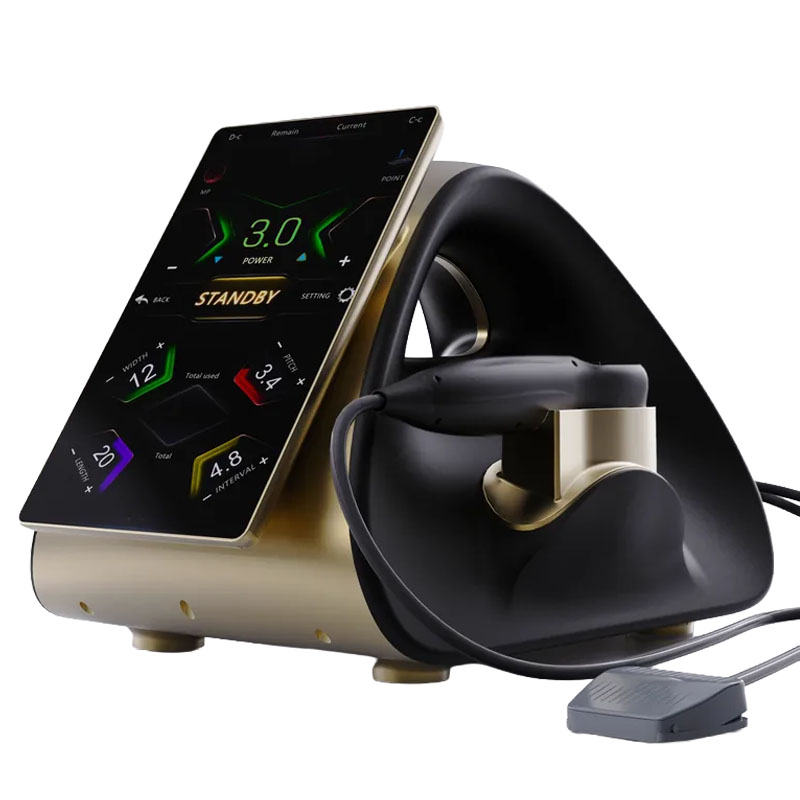
The Derma Frac MNRF uses microneedling and RF energy for better skin care. It has adjustable needle depths from 0.5mm to 3.5mm, helping treat specific skin problems. The machine comes with four probes: 10, 25, 64 pins, and a non-needle tip. These options allow precise treatments for different skin types and issues. Its Burst Mode RF spreads energy evenly, making treatments more effective. A 10.4-inch touchscreen makes it simple for professionals to use.
The diode laser indicator helps target areas accurately during treatments. It causes little downtime and is mostly comfort-focused design for clients.
Benefits and Ideal Use Cases
The Derma Frac MNRF is highly effective for treating wrinkles, acne scars, and pigmentation. A key advantage of this device is its advanced vacuum-assisted (negative pressure) technology. This innovative feature gently stabilizes the skin during treatment, ensuring precise needle penetration, enhanced safety, and significantly reduced patient discomfort. By powerfully boosting collagen production, it improves overall skin texture and firmness. It works exceptionally well on delicate areas like around the eyes, as well as tougher spots like the jawline. Clinics appreciate its ability to deliver rapid, high-quality results with minimal recovery time, ultimately driving client satisfaction and loyalty.
EXION RF Microneedling Device
Key Features
The EXION RF Microneedling Device represents a breakthrough in aesthetic technology by combining Monopolar RF with Artificial Intelligence (AI) to optimize energy delivery in a single pass. Its most distinctive feature is the “Extended Mode,” which creates a thermal gradient beneath the needle tips. This allows the device to deliver RF energy up to 8mm deep into the subcutaneous tissue without requiring the physical needles to penetrate to that full depth. Additionally, the system integrates advanced cooling and, in certain applicators, targeted ultrasound technology to naturally stimulate the production of hyaluronic acid, collagen, and elastin. This intelligent control of energy depth ensures maximum safety while significantly reducing the discomfort typically associated with deep microneedling treatments.
Benefits and Ideal Use Cases
EXION is an ideal solution for premium dermatology clinics and medical spas looking to offer top-tier, non-surgical skin rejuvenation. It effectively smooths fine lines, tightens lax skin, and addresses deep acne scars and rough textures. Thanks to its gentle yet deep-reaching energy delivery mechanism, it performs exceptionally well on large body areas while remaining safe enough for delicate regions like the periorbital (eye) and perioral (lip) areas. Patients can expect visible lifting and skin quality improvements with minimal pain and virtually no downtime. For professionals, investing in the EXION device means providing a versatile, high-comfort treatment that attracts a demanding clientele and ensures long-term business growth.
Comparison Table
Comparing the Top 5 Devices Side by Side
Picking the right RF microneedling device is easier with a side-by-side comparison. The table below shows the main features of the top 5 devices:
| Device Name | Adjustable Needle Depth | RF Technology | Certifications | Unique Features | Price Range |
|---|---|---|---|---|---|
| FotroMed AWNS RF Machine | 0.5mm – 3.5mm | Bipolar RF | FDA, IEC, ISO13485 | Probes with 10-64 pins | $3,000 – $3,500 |
| DermaPulse XL | 0.5mm – 7mm | Burst Mode RF | ISO13485 | Cooling system, easy-to-use design | $2,000 – $3,000 |
| DermaPulse | 0.5mm – 7mm | Burst Mode RF | ISO13485 | Works on all skin types | $2,000 – $3,500 |
| Derma Frac MNRF | 0.5mm – 3.5mm | Burst Mode RF | ISO13485 | Laser for precise targeting | $2,500 – $3,500 |
| EXION RF Device | Adjustable | Monopolar RF | FDA | Reaches deep skin layers | $50,000 – $120,000 |
Important Factors to Consider (e.g., price, features, certifications)
When choosing an RF microneedling machine, focus on key factors. These help you pick a device that fits your clinic’s needs and gives great results:
- Price: Most devices cost between $3,000 and $3,500. This range offers both quality and value.
- Features: Check for adjustable needle depths, different probes, and RF types (monopolar or bipolar). These options let you treat many skin issues.
- Certifications: FDA and CE certifications ensure the machine is safe and works well.
- Warranty and Support: A good warranty and support system make the device reliable. Some brands even offer flexible warranties for used machines.
Tip: Always choose devices with adjustable settings and proper certifications. This ensures safe treatments for all skin types.
Why Invest in a High-Quality RF Microneedling Machine?
Better Results and Happy Clients
Investing in a top-tier RF microneedling system delivers exceptional clinical outcomes. These devices combine traditional microneedling with targeted radiofrequency energy to powerfully stimulate collagen and elastin production. This dual-action process effectively smooths deep wrinkles, refines skin texture, and dramatically reduces the appearance of acne scars, fine lines, and stubborn pigmentation. Clients typically observe firmer, more rejuvenated skin after just a few sessions.
As global demand for non-surgical aesthetic treatments continues to surge, offering RF microneedling is a strategic move for any clinic. Recent industry data indicates that RF microneedling now accounts for approximately 60% of the total microneedling market share, reflecting its immense popularity. With rapid results and minimal downtime, this treatment ensures high patient retention and long-term business growth.
| Metric | Value |
|---|---|
| RF Microneedling Market Share | 60% of Microneedling Market in 2024 |
| Consumer Preference | Popular for non-surgical treatments with good results |
Save Money and Earn More Over Time
Buying a good RF microneedling machine is a wise choice for clinics. While it costs a lot upfront, it makes good money later. Clinics charge $500 to $1,500 per session, and most clients need several sessions. This creates steady income. Plus, results last 12 to 18 months, so clients come back for more.
Manufacturers often include warranties and training, which lower repair costs. These features keep your machine working well for years. Offering advanced treatments like wrinkle fixes and skin care attracts new clients. It also keeps current clients coming back. This mix of great services and loyal clients means big profits.
- Clinics charge $500–$1,500 per session.
- Results last 12–18 months, bringing repeat clients.
- Warranties and training cut down repair costs.
Stay Ahead in the Beauty Business
The beauty industry is changing fast, with more focus on non-surgical options. To stay ahead, you need treatments that work well and last long. High-quality RF microneedling machines meet this need. They treat many skin problems, like wrinkles and rough texture, making them must-haves for clinics.
The RF microneedling market is expected to grow 8.1% yearly from 2025 to 2032, reaching $0.75 billion. This growth shows more people want non-surgical treatments. By getting advanced machines, your clinic becomes a leader in skin care. This boosts your reputation and helps your clinic succeed in a tough market.
| Metric | Value |
|---|---|
| Forecast Period | 2025 to 2032 |
| CAGR | 8.1% |
| 2032 Value Projection | USD 0.75 Billion |
| Growth Drivers | Rising demand for non-surgical treatments, More investments in beauty care |
Tip: Offering advanced treatments like RF microneedling attracts clients who want safe, non-surgical solutions.
Selecting the right professional equipment is fundamental to ensuring patient safety and clinical excellence. High-quality devices not only deliver superior results but also enhance client satisfaction and retention. FotroMed’s systems are engineered for precision and versatility, allowing practitioners to customize treatments for diverse skin concerns. Clinical studies demonstrate that RF microneedling effectively remodels collagen, resulting in smoother, firmer skin while significantly diminishing the appearance of deep scars, persistent pigmentation, and fine lines. With minimal downtime and rapid recovery, these advanced machines enable your clinic to provide premium care and achieve sustainable business growth in a competitive market.
| Study Title | Procedure Time | Recovery Time | Side Effects Duration |
|---|---|---|---|
| Radiofrequency in Skin Care | 30 minutes | 12–48 hours | A few days |
FAQ
What is the recovery time after RF microneedling?
Most people have very little recovery time. You might see redness or swelling for 1–2 days. These signs go away fast, so you can return to your normal routine soon.
Tip: Apply a gentle lotion and sunscreen to protect your skin while healing.
How many treatments are needed to see results?
You usually need 3–5 treatments spaced 4–6 weeks apart. The number depends on your skin needs. Many people see changes after the first session, with the best results showing up later.
Is RF microneedling safe for everyone?
Yes, RF microneedling works safely on all skin types, even darker tones. It targets deeper skin layers without harming the surface, lowering the chance of skin color changes.
Note: Always talk to a professional to check if this treatment is right for you.
Does RF microneedling hurt?
The treatment may feel a little uncomfortable. A numbing cream is used before starting to reduce pain. Most people say it feels like a warm, light prickling.
Related Posts Of RF Microneedling:
HIFU Machine vs. Microneedling
RF Microneedling vs EM-face Machine
RF Microneedling vs Fractional CO2 Laser
RF Microneedling vs Microneedling Pen
RF Microneedling vs PRP Kits
RF Microneedling vs Q-switched Nd Yag
Top RF Microneedling Machines and Their Manufacturers in 2025
Top Affordable RF Microneedling Machines for Professionals in 2025