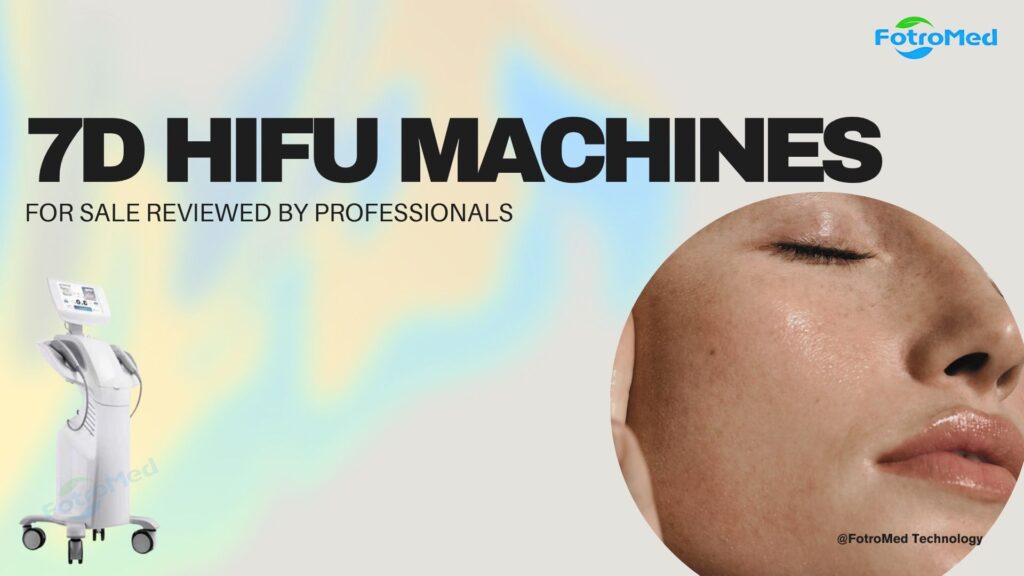
If you are looking for a 7D HIFU machine, price is usually the first question. But for clinics, medspas, distributors, and beauty equipment buyers, the better question is what the machine includes at that price.
Public wholesale price guides show that professional 7D or 9D HIFU machines are often listed in the $2,000-$5,000 range, while higher-positioned 7D+ systems may be listed around $20,000-$40,000. These ranges are also affected by cartridges, handles, shot count, warranty, training, OEM support, shipping, and after-sales service. For a clinic buyer, the quote should always be checked against the full configuration, not just the headline price.
| Model Type | Price Range |
|---|---|
| Professional 7D | $2,000-$5,000 |
| Medical 7D+ | $20,000-$40,000 |
This guide is written for clinic owners, medspa teams, distributors, and beauty equipment buyers who are comparing 7D HIFU machines for sale. It explains the typical price range, what affects the final quote, which features matter in daily clinic use, and what questions to ask before choosing a supplier. The goal is to help you compare a 7D HIFU machine by total value, not by machine price alone.
7D HIFU Machine Price Range
When you compare a wide range of prices, you will see three common price levels. Each level can work for a different type of buyer, but the specification details matter more than the label.
Entry-Level Machines
Entry-level 7D HIFU machine models are often positioned between $1,000 and $2,000. Some public 7D HIFU listings show single machines around $1,599-$2,099, depending on the package and product page. These numbers should be treated as market references, because the final cost may change with cartridges, shipping, payment terms, and after-sales service.
These machines may work for basic skin tightening and lifting services. However, buyers should check whether the machine includes enough cartridge depths, clear operating instructions, stable energy output, and practical service support. A low purchase price can become expensive if cartridges, repairs, or training are unclear.
Mid-Range Clinic Systems
Mid-range systems often sit around $1,250-$3,000 in public price comparisons. This is where many professional buyers start to compare specific models, cartridge options, and clinic use cases. Fotromed’s related professional HIFU buying checklist also notes that model price can vary by brand, features, training, shipping, and local requirements.
| Model | Price Range |
|---|---|
| 7D HIFU Machine | $1,600-$1,700 |
| PL-103 | $1,500-$3,000 |
| 4D F-226 | $1,350-$1,600 |
| PL-F112 | $1,500-$1,700 |
| 9D HIFU machine | $1,500-$1,700 |
For a small clinic, this range may offer a practical balance between price and function. You may get more treatment depths, better controls, and more room to build a face and body treatment menu.
Advanced Multi-Function Systems
Higher-end HIFU systems can be much more expensive, especially when they include branded platforms, advanced imaging or energy delivery features, broader treatment coverage, and stronger clinical positioning. Public HIFU price comparisons show that premium systems can range from tens of thousands of dollars to much higher levels, while non-branded or OEM systems may be much lower.
| Feature | High-End 7D HIFU Machines | Entry-Level/Mid-Range Machines |
|---|---|---|
| Treatment Precision | Higher positioning accuracy depends on device design, cartridge quality, and operator control | More basic control and fewer adjustment options |
| Target Depth | Broader depth coverage may be available | Usually focuses on common face and body depths |
| Customization Options | More treatment modes, cartridges, or OEM options may be available | More limited package options |
| Treatment Effectiveness | Depends on device quality, treatment protocol, and operator training | Depends on configuration and clinic use case |
The real issue is not whether a machine is called “high-end.” Buyers should confirm what is included: cartridge depths, handpieces, energy modes, shot count, warranty coverage, training, and service support.
What Affects the Quote
A 7D HIFU machine quote can change because of:
- Number and type of cartridges
- Face and body treatment coverage
- Shot count per cartridge
- Number of handles
- Screen and parameter controls
- OEM or distributor requirements
- Warranty period
- Training and technical support
- Shipping, taxes, and local certification needs
If two suppliers quote very different prices, ask for a specification sheet before comparing. A lower quote may exclude cartridges, spare parts, training, or after-sales support.
Machine Cost vs Treatment Revenue
Many clinics consider HIFU because it can support non-surgical skin tightening, lifting, and body contouring services. Still, ROI should be calculated carefully. Instead of assuming fast profit, estimate your monthly treatment volume, local pricing, staff training time, cartridge cost, and maintenance budget.
A strong return on investment is more realistic when the machine fits your treatment menu and your team can use it consistently.
The table below gives treatment service price references by area. These are treatment service prices, not machine purchase prices, so they should be used only as a business planning reference. Actual treatment pricing depends on country, clinic positioning, shot count, treatment area, staff cost, and local competition.
| Treatment Area | Price (USD) |
|---|---|
| Full face | $1,322 |
| Neck | $960 |
| Lower face and neck | $1,322 |
| Full face and neck | $1,820 |
| Forehead | $685 |
| Body areas (15x10cm) | $500 |
Best 7D HIFU Machine for Sale
If you want a 7D HIFU machine for professional use, do not choose only by product name. Match the system to your clinic size, treatment menu, client profile, and service expectations.
For Small Clinics
Small clinics often need a machine that is easy to train on, easy to maintain, and flexible enough for common face and neck treatments. A compact system with clear parameters, reliable cartridges, and responsive support may be more useful than a complicated system with features your team will not use.
For Face and Body Treatments
If your clinic plans to offer both facial lifting and body contouring, the machine should support shallow and deeper treatment depths. Cartridge selection becomes important because different areas require different depths and operating techniques.
For OEM or Distributor Buyers
OEM and distributor buyers should look beyond the single machine price. Ask about branding options, MOQ, spare parts, training materials, certificates, packaging, shipping terms, and long-term supply stability.
Fotromed Ultralift 7D Overview
The 7D HIFU machine can be positioned as a professional option for buyers who need multiple cartridge depths, face and body treatment coverage, and supplier support. The final decision should still be based on confirmed specifications, warranty, training, and quote details.
From our post-sale follow-up with clinic and distributor customers, the questions we hear most often are not only about visible treatment results. Buyers also ask whether staff can learn the system quickly, whether cartridges are easy to replace, whether the supplier can respond after delivery, and whether the machine supports the treatment menu they actually sell. That experience is why we suggest comparing the full service package before comparing only price.
Key Features to Compare
Before buying any professional HIFU machine, compare the features that affect daily clinic use. The U.S. FDA’s guidance for aesthetic focused ultrasound systems identifies safety topics such as thermal injury, mechanical injury, ocular injury, electrical shock, user error, labeling, warnings, and contraindications. For that reason, professional buyers should treat safety controls, labeling, and training as part of the purchase decision, not as optional extras. See the FDA guidance on focused ultrasound stimulator systems for aesthetic use.
| Feature | 4D HIFU | 7D HIFU |
|---|---|---|
| Energy Localization | Single focus technology | Multidimensional transducer design may support broader treatment planning |
| Treatment Depth Control | Common fixed depths such as 1.5mm, 3.0mm, and 4.5mm | Wider adjustable depth range may be available, depending on cartridge package |
| Safety Features | Depends on device design, labeling, and operator training | Depends on handpiece contact, energy controls, labeling, and operator training |
| Treatment Comfort | Depends on energy settings, treatment area, and patient sensitivity | Depends on protocol, energy settings, and cartridge selection |
| Duration of Effect | Varies by patient, protocol, and device | Varies by patient, protocol, and device |
| Clinical Validation | Established HIFU category with published studies | Device-specific evidence should be checked before purchase |
Cartridge Depths
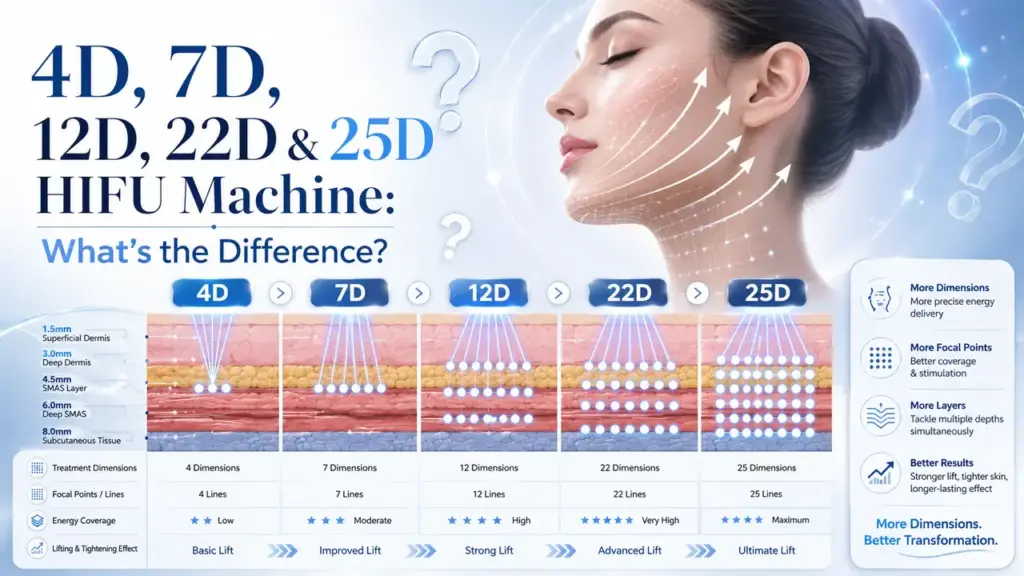
Treatment depth is one of the most important points when you compare a 7D HIFU machine. A wider depth range can help a clinic work with different facial and body areas, but operators still need proper training and protocols.
| Minimum Depth | Maximum Depth |
|---|---|
| 1.5mm | 13mm |
For fine areas around the eyes, shallow depths may be used. For jawline, neck, or body treatments, deeper cartridges may be required. A buyer should confirm which cartridges are included in the standard package and which ones cost extra.
Handles and Shot Count
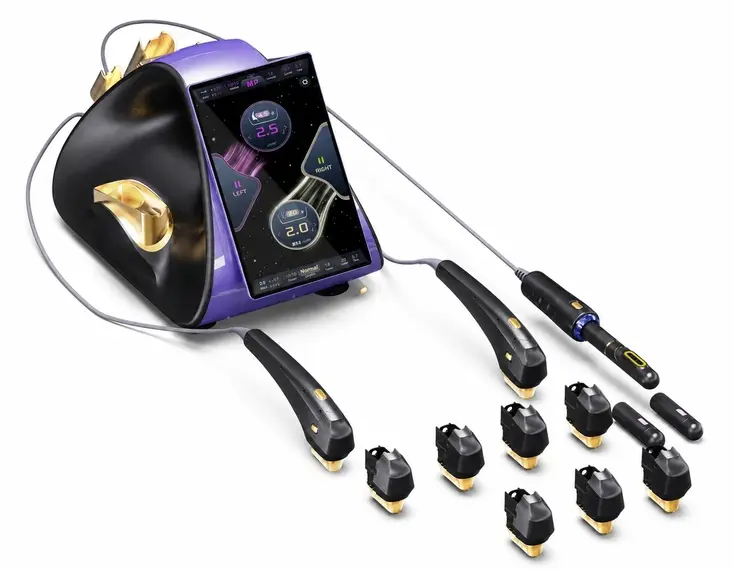
Handles, cartridge life, and shot count affect both workflow and long-term cost. Public 7D HIFU product listings commonly show two handles and seven cartridges, with face depths such as 1.5mm, 2.0mm, 3.0mm, and 4.5mm and body depths such as 6mm, 9mm, and 13mm. One example listing shows two handles and seven cartridges, but buyers should verify whether the same configuration is included in the supplier’s quotation.
Energy and Speed
Energy control and treatment speed matter because they affect operator control and client comfort. A useful professional system should allow clear parameter settings, consistent output, and easy adjustment for different treatment areas.
Safety and Training
Safety should come before marketing claims. FDA guidance for aesthetic focused ultrasound devices recommends user manuals, directions for use, warnings, contraindications, and precautions. It also notes that users with open wounds or lesions, active implantables such as pacemakers or defibrillators, or metallic implants should be advised not to use the device in those areas. This is why supplier training and clear labeling matter for clinic use.
The table below lists common certification and directive references from the original product information. Buyers should request copies of relevant documents and confirm whether they apply to the exact model, market, and shipment.
| Certification | Directive |
|---|---|
| CE | Directive 93/42 EEC, EMC Directive 2014/30/EU, LVD Directive 2014/35/EU |
| CFS | N/A |
| CFDA | N/A |
| RoHS | Directive 2011/65/EU |
| Anvisa | Brazil rules |
In most cases, buyers should request copies of relevant documents instead of relying only on product page badges.
7D HIFU Machine Reviews
Reviews can help you understand how a machine performs in real use, but they should be read carefully. A review is more useful when it explains treatment coverage, machine stability, cartridge cost, training, and support, not only before-and-after expectations.
Review Criteria
When reviewing a professional 7D HIFU machine, compare:
- Cartridge depth range
- Energy control
- Face and body treatment coverage
- Operating interface
- Training materials
- Supplier response time
- Warranty and spare parts
- Consumable cost
- Clinic workflow fit
Clinical literature can support general HIFU skin-tightening discussion, but it should not be used to claim that every 7D device gives the same result. A 2023 systematic review of microfocused ultrasound for facial skin tightening found evidence of improvement in mild to moderate facial laxity, while also reporting that treatment can be moderately painful and may cause transient erythema or edema; rare adverse effects were also reported. That review is useful for context, but device-specific results still depend on the system, protocol, operator, and patient selection. See the PMC review: A Systematic Review of the Efficacy of Microfocused Ultrasound for Facial Skin Tightening.
| Machine Name | Unique Features |
|---|---|
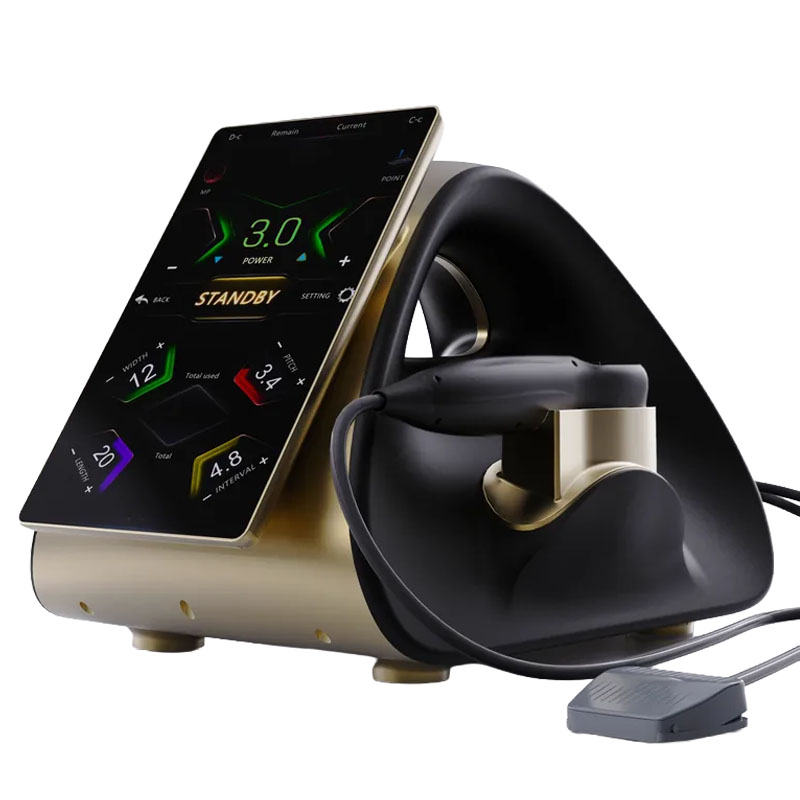
| 7D HIFU Machine for Face & Body | MMFU technology for anti-aging and body contouring treatment menus. High-speed operation, real-time point and parameter display, 360-degree treatment planning, and two handles for different areas. Comfort and downtime depend on protocol, energy settings, treatment area, and individual response. |
| Ultraformer MPT | Multi-layered targeted lifting with four cartridges. Two energy modes for customized treatment. Patented Booster cartridge for skin quality treatment planning. Treatment speed and comfort depend on protocol and operator settings. |
Positive Buyer Feedback
User feedback often focuses on consistent machine performance, visible skin tightening results, and client satisfaction. For a clinic, these points are useful, but they should be supported by real service experience, stable protocols, and clear consultation.
| Feedback Type | Points of Feedback |
|---|---|
| Positive | Consistent performance, client satisfaction, useful for different skin-tightening and contouring service plans |
| Negative | Durability concerns, inadequate support |
Internal Follow-Up Notes
Based on Fotromed’s follow-up conversations with clinic and distributor customers, buyers tend to care most about stable machine operation, cartridge availability, training clarity, and after-sales response. We do not use these follow-ups as a clinical guarantee, but they help us understand what professional buyers need after the machine arrives and enters daily use.
Common Buyer Concerns
Common concerns include durability, cartridge cost, lack of training, delayed support, unclear warranty terms, and over-promised treatment results. A machine can look attractive at the quotation stage but become difficult to use if support is weak.
Questions to Ask Suppliers
Before you buy, ask:
- Which cartridges are included in the standard package?
- How many shots does each cartridge support?
- What training is included?
- What documents and certificates can you provide?
- What does the warranty cover?
- How fast can you ship spare parts?
- Can you provide demo videos or treatment protocol guidance?
7D HIFU Machine Buying Checklist
Choosing the right 7D HIFU machine starts with your business model. A medspa, a new beauty clinic, and a distributor may all need different configurations.
Clinic Use Case
First, define the services you want to offer. Do you focus on face lifting, neck tightening, under-eye care, body contouring, or a full anti-aging menu? The answer affects cartridge choice, treatment depth, staff training, and the machine configuration you need.
| Factor | Description |
|---|---|
| Treatment Depth | How deep the machine works, which matters for different skin issues. |
| Targeted Areas | Which parts of the face or body you want to treat. |
| Treatment Goals | What you hope to achieve, like lifting or tightening. |
| User Suitability | Whether the machine is suitable for the client’s skin condition, age, and treatment goal. |
| Professional Consultation | A trained practitioner should assess suitability before treatment. |
Cartridge and Consumable Costs
A common mistake is comparing only the upfront machine price. Cartridge cost, replacement frequency, maintenance, and shipping can affect the real cost of ownership.
| Factor | Description |
|---|---|
| Upfront Costs | The price you pay to buy the machine. |
| Ongoing Expenses | Money for maintenance, repairs, and new cartridges. |
| Training | Fees for learning how to use the machine safely. |
| Certification | Costs for getting the right paperwork and approvals. |
| Warranty | What’s covered if something breaks. |
| After-sales Support | Help from the company if you have problems. |
Certification and Warranty
Ask for documents before purchase. A reliable supplier should be able to provide certification information, warranty terms, user manuals, and after-sales process details. If a supplier cannot explain these clearly, treat that as a risk signal.
Training and Support
Training matters because HIFU is operator-dependent. Look for step-by-step training videos, live demos, manuals, treatment parameter guidance, and quick technical support. Good support helps your team use the machine more consistently and communicate more responsibly with clients.
Quote Request Checklist
Before requesting a final quote, prepare:
- Target treatment areas
- Expected monthly treatment volume
- Required cartridge depths
- Preferred number of handles
- Branding or OEM needs
- Destination country
- Required certificates
- Warranty expectations
- Training requirements
- Spare parts and cartridge plan
You can also pick a machine with technology that fits your treatment goals instead of choosing by price alone.
UltraLift 7D HIFU Machine Comparison
Fotromed UltraLift 7D HIFU machine should be compared through confirmed specifications, training support, and real clinic use requirements. Instead of relying on broad claims, ask for product documentation, treatment protocol guidance, and customer support details.
| Feature | UltraLift 7D HIFU Machine | Other Models |
|---|---|---|
| Precision | Designed for controlled energy delivery and multi-depth treatment planning | Varies by brand and cartridge quality |
| Collagen Boosting | Supports professional skin-tightening treatment menus based on focused ultrasound principles | Depends on device design and protocol |
| User Satisfaction | Customer follow-up often focuses on operation stability, training, and treatment menu fit | Varies by supplier support and user experience |
| Skin Elasticity | Outcome feedback should be collected through clinic follow-up and realistic consultation | Varies by patient, protocol, and device |
| Treatment Areas | Jawline, under-eye, chin, face, neck, and selected body areas depending on cartridge depth | Fewer or different areas depending on configuration |
Before making a purchase decision, buyers should ask for a demo, compare confirmed specifications, review training support, and request a clear quotation. A professional 7D HIFU machine should help a clinic build a stable treatment menu, not just add another device to the room.
FAQ
How much does a 7D HIFU machine cost?
A professional 7D HIFU machine may be listed from about $2,000 to $5,000, while higher-positioned 7D+ systems may reach $20,000-$40,000. Some entry-level machines are lower, and premium branded systems can be much higher. Always compare what is included in the quote.
Is 7D HIFU better than 4D HIFU?
7D HIFU machines are often promoted with more adjustable depths and more flexible treatment coverage than older 4D models. However, the better choice depends on cartridge options, machine stability, operator training, treatment goals, and supplier support.
What cartridges should be included?
Many professional 7D HIFU machines include depths such as 1.5mm, 2.0mm, 3.0mm, 4.5mm, 6.0mm, 9.0mm, and 13.0mm. Buyers should confirm the exact cartridge list, shot count, replacement cost, and whether face and body cartridges are included.
Can small clinics buy a 7D HIFU machine?
Yes, small clinics can buy a 7D HIFU machine if the device fits their service menu, budget, and staff training plan. A smaller clinic should pay special attention to ease of use, warranty, training, and cartridge cost.
What should I ask before buying?
Ask about the full package price, cartridge depths, shot count, warranty, training, certificates, delivery time, spare parts, and after-sales support. If you plan to distribute or brand the machine, also ask about OEM options and MOQ.
Source Notes
- Price ranges are market references from public HIFU machine price guides and listings, including Fotromed’s own HIFU price content, Drebody Laser’s HIFU machine price guide, and public 7D HIFU product listings. Final quotes vary by configuration and supplier.
- Safety, labeling, contraindication, and device-risk language is informed by the FDA guidance for aesthetic focused ultrasound systems.
- General clinical context for microfocused ultrasound skin tightening is informed by a 2023 systematic review on PMC. This source supports general HIFU discussion, not a guaranteed result for every 7D device.
- Fotromed customer follow-up statements are presented as qualitative after-sales experience, not as clinical data or guaranteed outcomes.