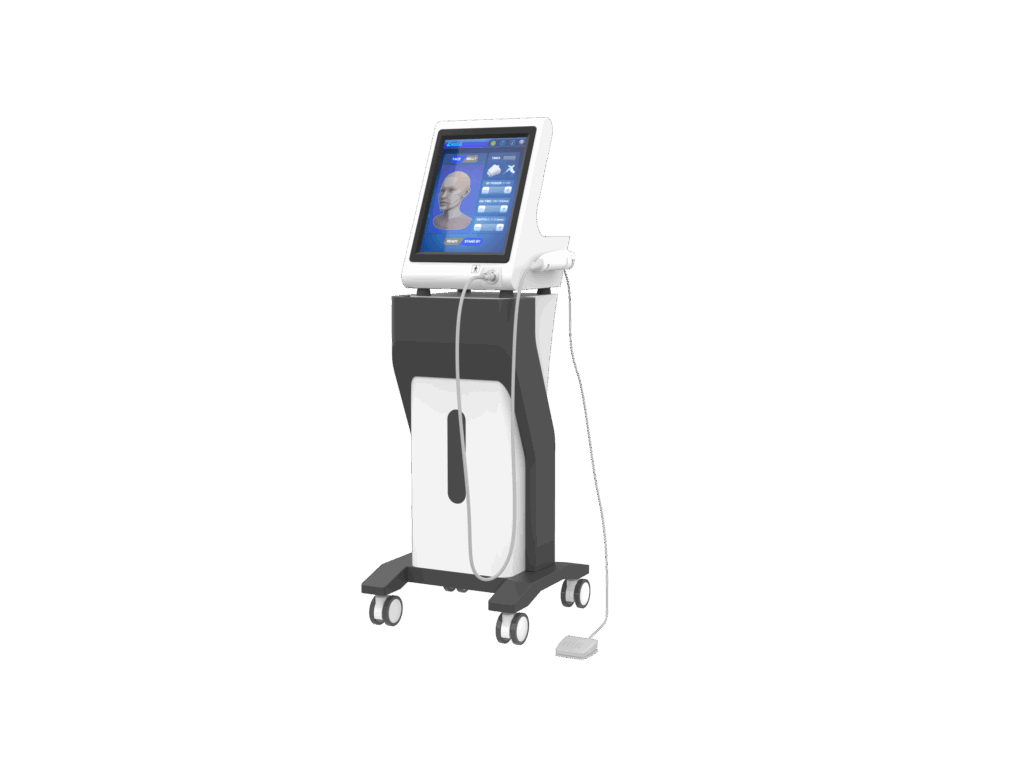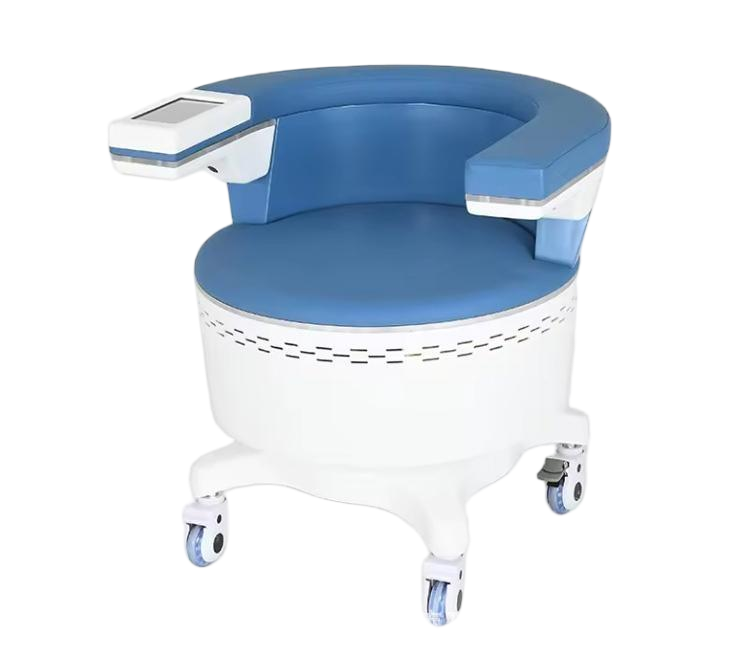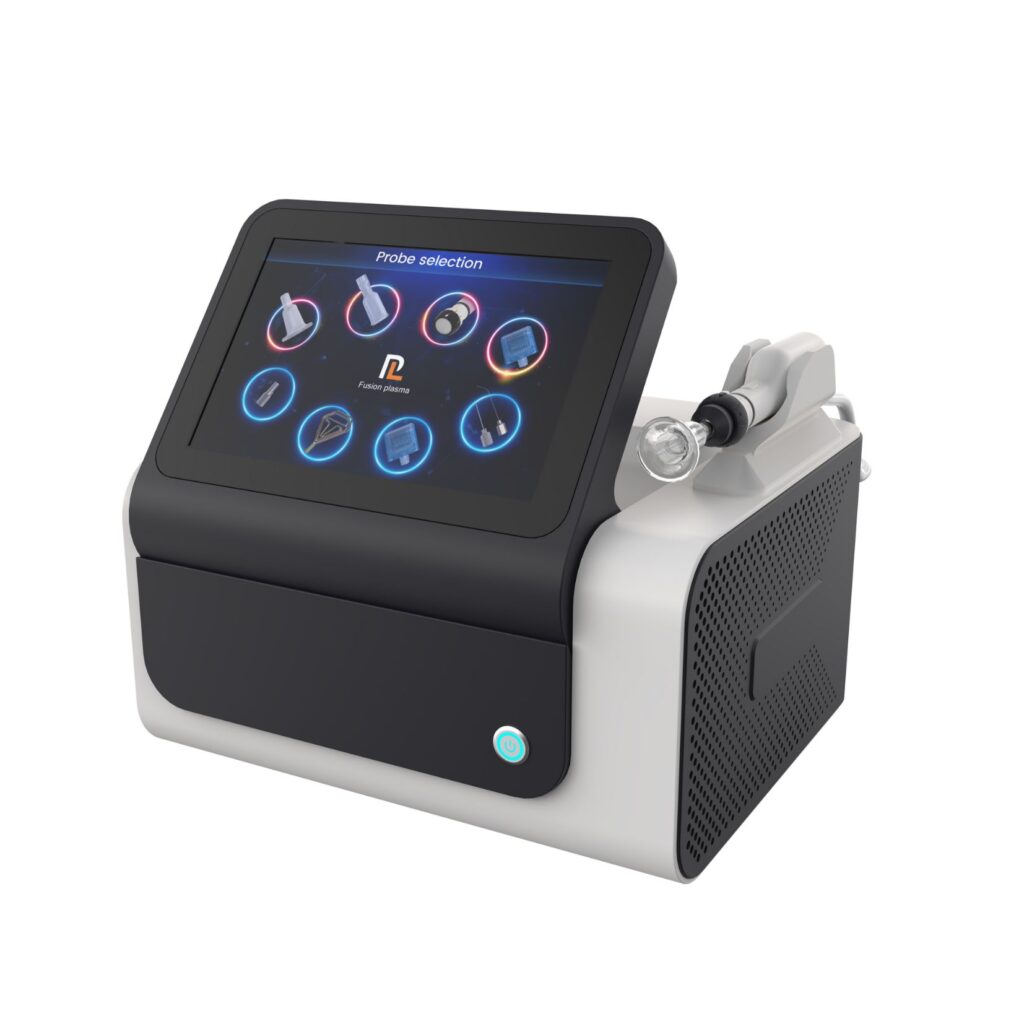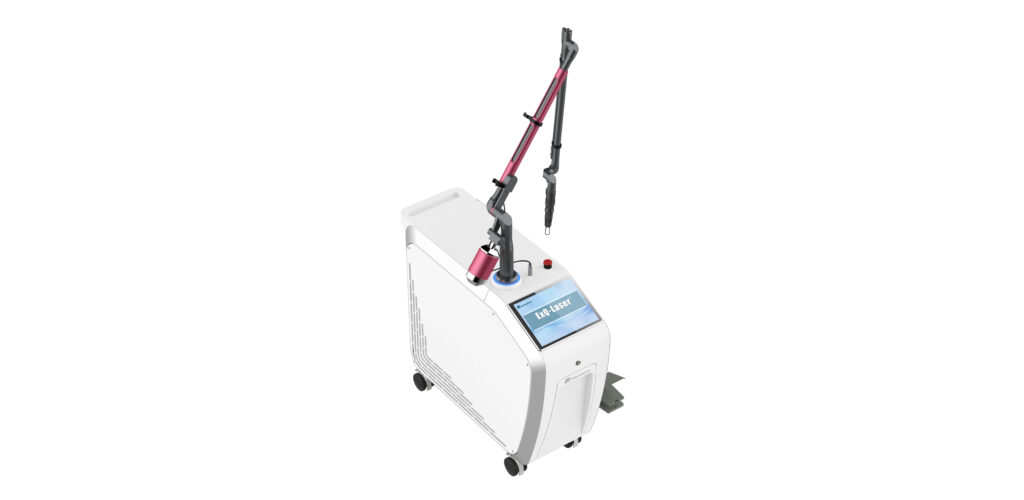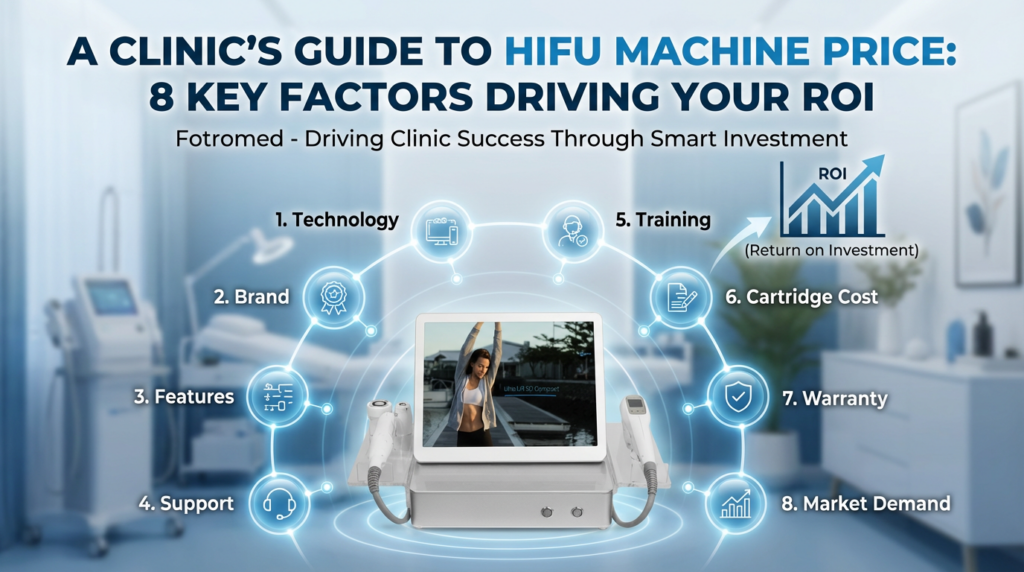

In the competitive landscape of aesthetic medicine, the pricing disparity in High-Intensity Focused Ultrasound (HIFU) technology is a source of constant confusion for both practitioners and patients. A quick browsing session on e-commerce giants might show handheld ultrasound devices for a few hundred dollars, while specialized manufacturers offer distinct commercial systems priced significantly higher.
For a dermatologist or a medical spa owner, the question is not just “How much does it cost?” Nhưng “What constitutes the value?” các “Real Cost” involves a complex equation of energy stability, clinical efficacy, patient safety, and long-term Return on Investment (ROI).
This comprehensive guide aims to dissect the financial and technological anatomy of HIFU. We will move beyond the sticker price to analyze the engineering differences between consumer toys and thiết bị thẩm mỹ y tế, helping you make an informed decision for your practice’s future.
1. Analyzing the Hardware Architecture and Build Quality
The primary driver of cost in any energy-based device is the quality of its internal engineering. While two machines may look similar on the exterior, the components inside dictate performance, sự an toàn, and longevity.
Precision Emitters
At the heart of any HIFU system is the transducer—the component responsible for converting electrical energy into sound waves. Chuyên nghiệp Máy HIFU utilize high-grade piezoelectric ceramic crystals. These materials ensure that the ultrasound waves are focused with microscopic precision at exact depths (typically 1.5mm, 3.0mm, and 4.5mm). Cheap alternatives often use inferior crystals that degrade quickly, causing the focal point to drift. A drifting focal point means the energy might hit the dermis instead of the SMAS layer, rendering the treatment ineffective or dangerous.
Power Stability
Consistently delivering high-peak power requires a robust power supply unit (PSU) and advanced capacitors. A professional system maintains stable energy output from the first shot to the ten-thousandth shot. Ngược lại, budget devices often suffer from “energy drop-off,” where the intensity fluctuates during a session. For a clinic, reliable professional beauty machines are non-negotiable because inconsistent power leads to uneven results and unhappy patients.
Hệ thống làm mát
High-intensity ultrasound generates significant internal heat. Professional devices employ active cooling systems (water or advanced air cooling) to protect the motherboard and the handpiece. This allows for continuous operation throughout a busy day. Consumer devices or low-end clinic machines often lack sufficient cooling, forcing the practitioner to pause treatments to let the device cool down, which kills clinic efficiency.
2. The Efficacy Gap: Home Gadgets vs. Clinical Systems
From a clinical perspective, các “trị giá” of a machine is directly correlated with its ability to induce physiological changes in the tissue. This is where the gap between home devices and professional systems becomes a canyon.
SMAS Penetration
The Superficial Muscular Aponeurotic System (SMAS) is the layer surgeons tighten during a facelift. To achieve a non-surgical lift, HIFU must heat this layer to between 60°C and 70°C. Professional skin tightening equipment is calibrated to reach this precise temperature window at a depth of 4.5mm. At-home devices are legally restricted from reaching these temperatures or depths due to safety regulations. They typically only heat the superficial dermis, providing a mild “ánh sáng” but zero structural lifting.
Coagulation Points
The magic of HIFU lies in Thermal Coagulation Points (TCPs). A clinical machine creates a uniform line of strictly defined TCPs. The spacing between these dots is adjustable and precise. High-end anti-aging devices allow the physician to customize the pitch (distance between spots) and length of the shot. Consumer devices often have “blind” spots or irregular energy dispersion, meaning they cannot create the uniform matrix of collagen stimulation required for significant skin tightening.
Multi-Depth Logic
Modern professional systems are not one-dimensional. They offer multi-depth cartridges that can treat the body (at 6.0mm, 9.0mm, or 13.0mm depths) for fat reduction and skin tightening. This versatility effectively turns one machine into a full-body solution. A simplistic home device usually has a fixed focal depth, limiting its use strictly to the face and offering no capability for body contouring or targeted fat reduction.
3. Financial Implications for Aesthetic Practices
When a clinic owner evaluates a purchase, the calculation must shift from “Purchase Price” ĐẾN “Total Cost of Ownership” (TCO) Và “Profitability per Minute.”
Consumable Costs
Every professional HIFU machine uses cartridges with a limited shot count. While a high-end laser beauty machine or HIFU system has a higher upfront cost, reputable manufacturers often provide cartridges with significantly higher shot capacities (ví dụ., 10,000 ĐẾN 20,000 số lần chụp mỗi hộp mực). Low-cost machines often operate on a “razor and blade” Mô hình kinh doanh, where the machine is cheap, but the cartridges are low-capacity and expensive, driving up the running cost per treatment and eating into margins.
Treatment Pricing
Patient perception of value drives pricing. Treatments performed with recognized, professional-grade equipment can command premium pricing. A full-face and neck lift using a top-tier machine can range from $800 ĐẾN $2,500. If a clinic utilizes a generic, low-power machine, results will be lackluster, forcing the clinic to lower prices to compete. Investing in a CO2 fractional laser or a premium HIFU system positions the clinic as a luxury provider, allowing for higher margins.
Downtime Losses
Machine reliability is a financial metric. If a budget machine breaks down, the cost isn’t just the repair fee—it is the revenue lost from cancelled appointments. High-quality systems are built for durability. Hơn nữa, sourcing from an established partner ensures that if maintenance is needed, it happens swiftly, minimizing revenue interruption.
4. Safety Protocols and Liability Management
In dermatology, safety is paramount. The hidden cost of using subpar equipment often manifests as liability risks and adverse patient events.
Công nghệ hình ảnh
Advanced HIFU systems often incorporate ultrasound imaging to visualize the layers of the tissue before firing energy. This ensures that the practitioner avoids bones and nerves. While not all professional systems utilize imaging, high-quality high-intensity focused ultrasound machines possess safety sensors and contact detection mechanisms that prevent the device from firing unless it is perfectly seated on the skin. Cheap devices lack these fail-safes, increasing the risk of surface burns (tiger striping).
Nerve Protection
The face is a minefield of nerves. Hitting a facial nerve with high energy can cause temporary or permanent paralysis. Professional equipment offers precise depth control to stay within safe zones. The variability in cheap manufacturing means a “4.5mm” cartridge might actually penetrate to 5.0mm, hitting a nerve that should have been safe. This unpredictability is a liability no serious medical practice should accept.
Regulatory Clearance
Medical liability insurance often requires the use of equipment that meets specific regulatory standards (FDA, CN, ISO). Using uncertified devices can void insurance policies in the event of a malpractice claim. Sourcing compliant Hệ thống IPL and HIFU units from verified manufacturers is a critical layer of legal protection for your business.
5. Sourcing Reliable Equipment for Long-Term Success
Cuối cùng, the purchase of a medical device is the beginning of a long-term relationship with the manufacturer. các “trị giá” includes the support ecosystem surrounding the machine.
Hỗ trợ nhà sản xuất
What happens after the sale? A reputable supplier like Fotromed provides comprehensive training protocols. This ensures your staff knows not just how to turn the machine on, but how to perform advanced protocols for maximum efficacy. Whether you are buying a professional laser hair removal machine or a HIFU unit, the availability of clinical training manuals and video tutorials is a value-add that cheap trading companies do not provide.
Supply Chain
In a globalized economy, the availability of spare parts and cartridges is vital. Established manufacturers have robust supply chains. There is nothing more costly than a machine sitting idle for weeks because a specific cartridge is out of stock. Partnering with a dedicated manufacturer ensures a steady stream of consumables, allowing your business to scale without interruption.
Future Proofing
The aesthetic industry moves fast. Top-tier manufacturers are constantly innovating. By establishing a relationship with a leader in the field, you gain early access to new technologies, Cập nhật phần mềm, and upgrade paths. Today you might need HIFU, but tomorrow you might want to expand into tattoo removal or body sculpting. A trusted partner supports that growth trajectory.
Câu hỏi thường gặp
Q.: How often do professional HIFU cartridges need replacing?
MỘT: It depends on the machine’s usage, but professional cartridges typically last for 10,000 ĐẾN 20,000 ảnh. High-volume clinics should factor cartridge replacement into their monthly budget.
Q.: Can I use home HIFU devices in my salon to save costs?
MỘT: KHÔNG. Home devices are not cleared for commercial use and cannot deliver the results clients expect from a paid service. Using them may also violate health and safety regulations.
Q.: Why is Fotromed considered a reliable partner for HIFU machines?
MỘT: fotromed specializes in medical aesthetic equipment, offering rigorous quality control, international safety certifications, and dedicated after-sales support, ensuring your clinic operates smoothly.
Q.: What is the average ROI time for a professional HIFU machine?
MỘT: With a solid marketing strategy, most clinics see a return on investment within 3 ĐẾN 6 tháng, as HIFU is a high-ticket treatment with strong consumer demand.
Q.: Does professional HIFU hurt more than home devices?
MỘT: Đúng, because it delivers significantly more energy. Tuy nhiên, professional systems allow for parameter adjustment to manage comfort while maintaining efficacy, which home devices cannot do.