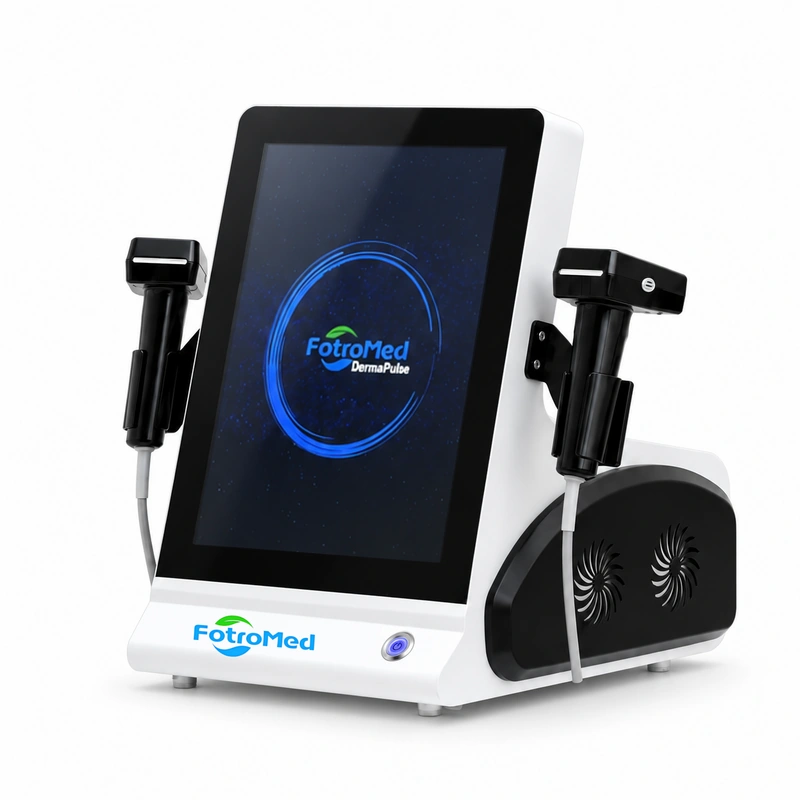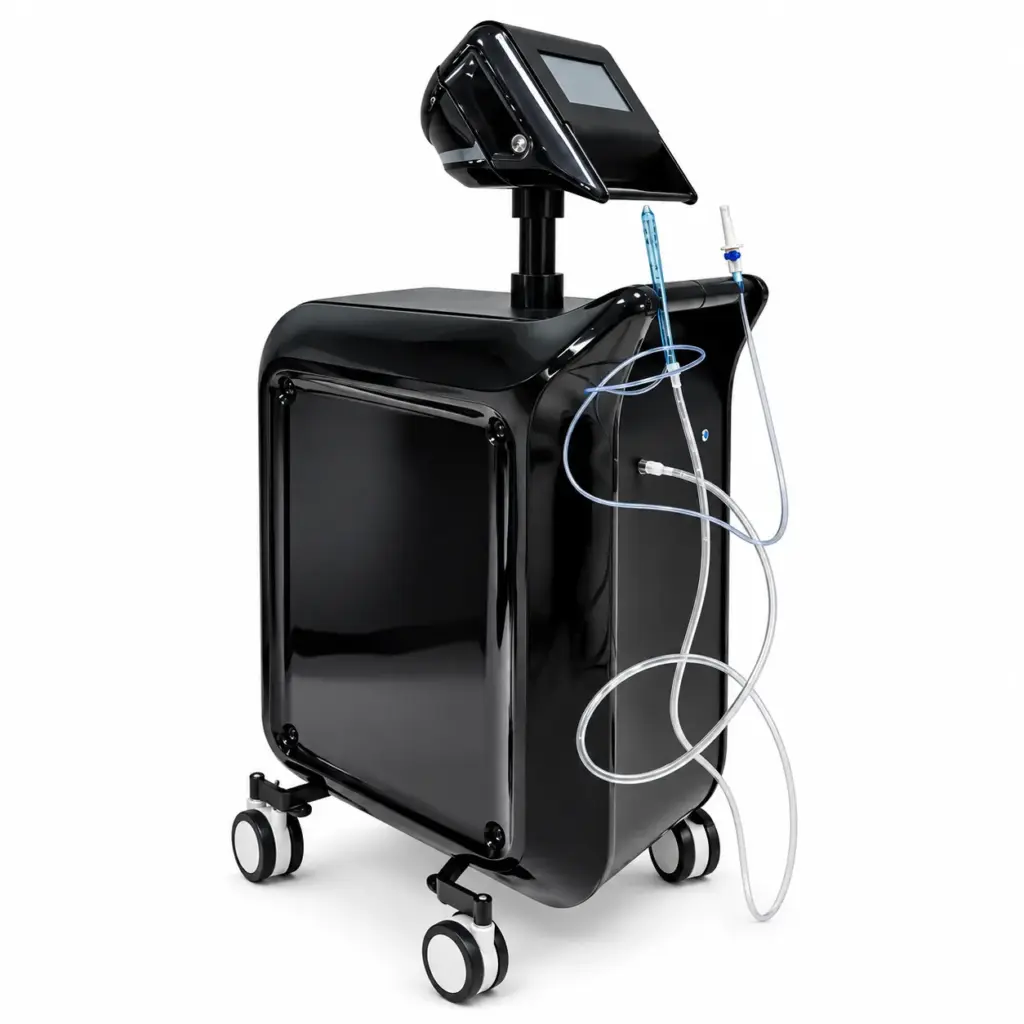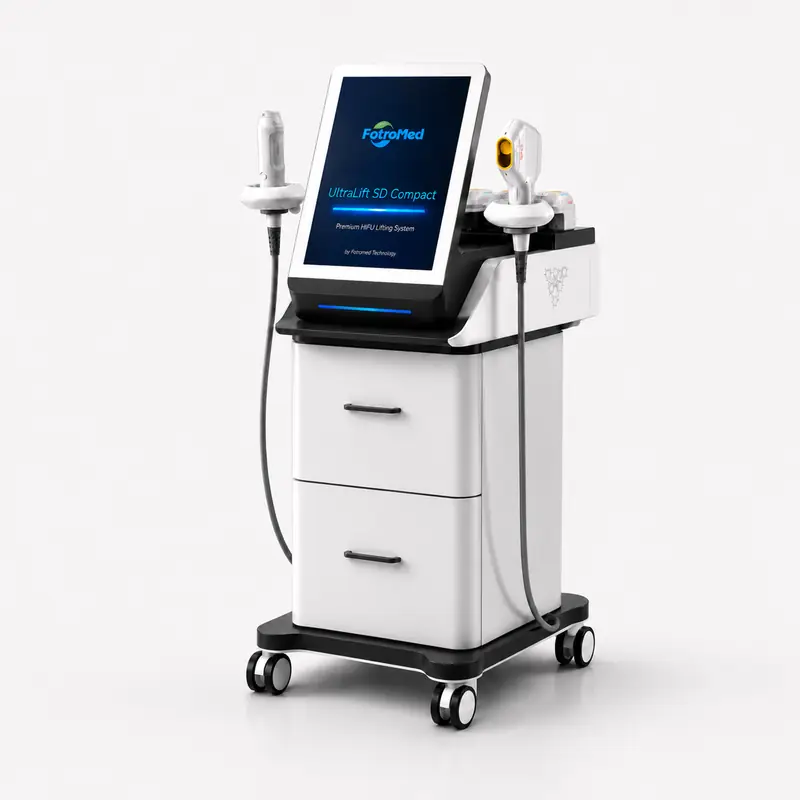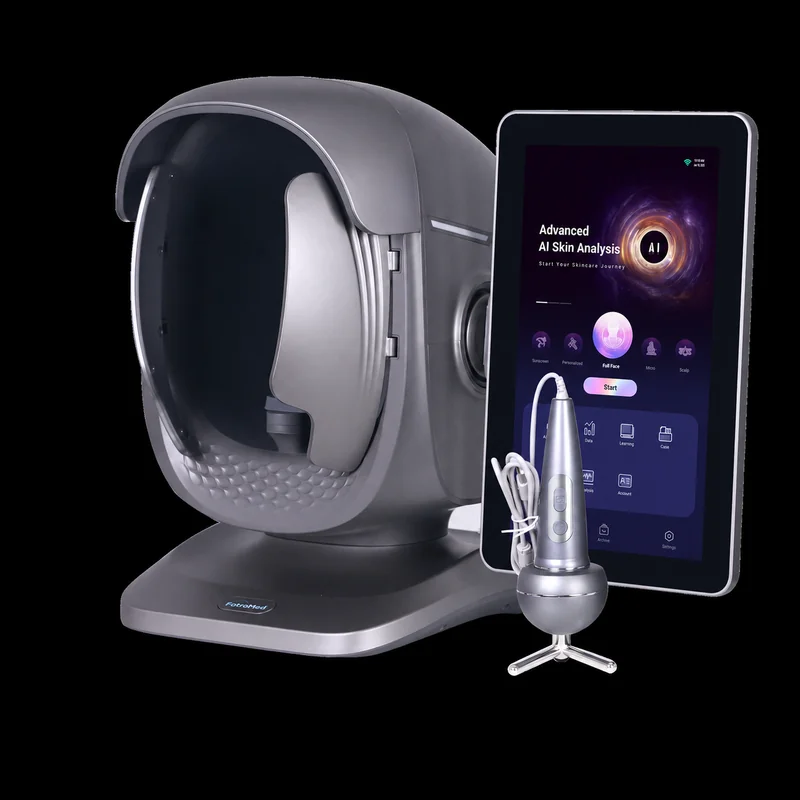
A common buying problem starts with a low quote. A clinic sees a HIFU machine offered at $1,500. It later learns that key cartridges, shipping, operator training, and warranty support cost extra. Another clinic considers a $30,000 original branded system. Its current booking volume may not support the investment. Both face the same risk: the quote does not show the real HIFU machine cost.
For budget planning, a professional HIFU machine usually falls into one of two useful price levels. Original branded systems generally cost $20,000–$50,000. Mid-priced professional HIFU machines generally cost $1,000–$10,000. The right level depends on your treatment menu, expected volume, cartridge requirements, training, warranty, spare parts, shipping, and local regulatory requirements.
Price note: These are market planning ranges, not final offers. The exact professional HIFU machine price changes with the model, configuration, destination country, distributor terms, and service package.
How Much Does a Professional HIFU Machine Cost?
| HIFU equipment level | Typical purchase price (USD) | What the price may reflect | Best suited to |
|---|---|---|---|
| Original branded HIFU systems | $20,000–$50,000 | Established platform, proprietary technology, brand recognition, official distribution, and structured service | Clinics with proven demand, sufficient capital, or a business case for a recognized brand |
| Mid-priced professional HIFU machines | $1,000–$10,000 | Flexible configurations, factory-direct or developing brands, and lower initial investment | Small clinics, medspas, startups, and businesses adding HIFU with controlled capital risk |
In this guide, “original branded” means a system sold under an established proprietary platform, usually through an official distributor. Select configurations from brands such as CLASSYS and Hironic may sit in this part of the market. Prices vary by country and service package, so clinics should request a current local quote.
The mid-priced range covers a wider group of professional HIFU devices. It may include compact facial systems and configurable face-and-body platforms such as UltraLift SD Compact and UltraLift 7D Pro. A lower initial cost can shorten the path to break-even, but documentation, training, output verification, parts, and support still need careful review.
A mid-priced machine is not the same as a home-use device. Before purchase, confirm that the exact model is intended and documented for professional operation in your market.
Key Takeaways for Small Clinic Buyers
A $1,000–$10,000 mid-priced system can be a practical starting point when a clinic is testing demand or controlling startup costs. The machine still needs clinic-ready documentation, stable output, operator training, warranty coverage, spare parts, and responsive support.
A $20,000–$50,000 original branded system may make sense when brand recognition, proprietary technology, local distributor service, or high daily utilization has measurable value for the clinic.
The HIFU machine price is only the starting point. Handpieces, cartridges, freight, import costs, training, maintenance, and downtime determine the real first-year cost.
The right machine is not always the cheapest or the most advanced. It is the one whose treatment range, workflow, and total cost fit the clinic’s staff, room capacity, demand, and cash flow.
Original Branded vs Mid-Priced Professional HIFU Systems
The higher-priced tier is not automatically the better choice for every clinic. The lower-priced tier is not automatically the better value. The useful comparison is how well each system fits the clinic’s real operating plan.
| Comparison point | Original branded system | Mid-priced professional system |
|---|---|---|
| Upfront investment | Usually $20,000–$50,000 | Usually $1,000–$10,000 |
| Main value | Brand recognition, proprietary platform, and an established distribution structure | Lower capital requirement and more flexible handpiece or cartridge packages |
| Service model | Often has a defined regional service structure | Response time, parts, and remote support must be checked carefully |
| Main buying risk | Paying for brand or capacity that the clinic cannot fully use | Choosing a low quote without adequate documentation, training, or support |
For a small clinic, the decision should start with monthly treatment capacity and cash flow. It should not start with the most impressive model name or the lowest figure on a marketplace listing.
Clinics that need a model-level shortlist can review this best HIFU machine comparison. Use it to identify relevant systems, then request current quotes and compare what each package includes.
Which HIFU Machine Price Level Fits a Small Clinic?
| Clinic situation | Price level to compare first | What to verify |
|---|---|---|
| New HIFU service with unproven local demand | Mid-priced professional system | Core facial depths, training, warranty, replacement cartridges, and minimum order quantity |
| Face and body menu with limited capital | Higher-configuration mid-priced system | Separate facial and body handpieces, depth range, shot capacity, treatment speed, and staff workflow |
| Established clinic with strong monthly demand | Original branded system and qualified mid-priced alternatives | Utilization, service response, brand value, downtime risk, and total cost over three to five years |
| Small room or mobile service model | Compact or portable HIFU machine | Weight, transport protection, power requirements, output consistency, documentation, and support |
A portable HIFU machine can save treatment-room space. Portability alone does not make a device clinic-grade. A seller may call the system a professional HIFU device or a clinic-grade HIFU lifting device. That label is not enough. Verify the intended use, technical specifications, training, and documents for the exact model.
Core Features Small Clinics Should Compare
The price should reflect capabilities that the clinic will use. A clear interface can shorten the learning curve. Comfortable handpieces can improve operator control. Useful cartridge depths can support a broader service menu. None of these features should be judged by the product name alone.
| Feature | What to compare | Why it affects value |
|---|---|---|
| User interface | Parameter visibility, workflow, language, and error prompts | A clear workflow supports faster training and fewer setup mistakes |
| Handpiece design | Weight, grip, cable movement, cooling, and replacement price | Operator comfort matters during repeated daily use |
| Cartridge depths | Included depths, compatible areas, and optional depths | The configuration determines which services the clinic can offer |
| Energy control | Adjustable range, delivery modes, and output verification | Better control supports more consistent treatment planning |
| Shot capacity | Verified usable shots, refill policy, and replacement cost | Cartridge life affects the direct cost of each treatment |
| Treatment speed | Lines or points delivered, setup time, and real workflow | Faster operation may improve room utilization |
| Face and body capability | Separate handpieces, depth range, and protocol support | A broader platform may reduce the need for another device |
Clinics considering an MMFU platform can review how a 7D HIFU machine is configured for facial lifting and selected body services. The guide can help identify useful questions, but the buyer should still verify the specifications of the exact model in the quotation.
If the team is new to HIFU, simple operation and structured training are often more valuable than extra modes that may not be used. A long feature list does not improve the investment if operators cannot apply the functions safely and consistently.
Treatment Areas and Handpiece Configuration
A clinic should choose the handpiece package after defining its treatment menu. A face-focused clinic may not need the same configuration as a medspa that plans to offer facial and body services. More cartridges can add flexibility, but they also increase the initial price, training load, and replacement cost.
| Intended service | Configuration to compare | Buying question |
|---|---|---|
| Face and neck | Common facial depths such as 1.5 mm, 3.0 mm, and 4.5 mm, depending on the model | Which facial cartridges are included, and what does each replacement cost? |
| Smaller facial zones | Precision cartridge or handpiece options supported by the exact system | Is model-specific training provided for these areas? |
| Selected body areas | Deeper cartridges and a body handpiece, where supported | Are body cartridges included or sold as an optional package? |
| Face and body menu | Separate or dual-purpose handpieces with clear switching steps | How much time is needed to change the setup between services? |
| Small treatment room | Compact console, protected handpiece storage, and suitable power requirements | Can the machine and accessories fit the room without affecting workflow? |
Depth availability does not mean that every operator can use every cartridge on every area. Confirm the manufacturer’s instructions, model-specific training, professional scope, and local rules before building the treatment menu.
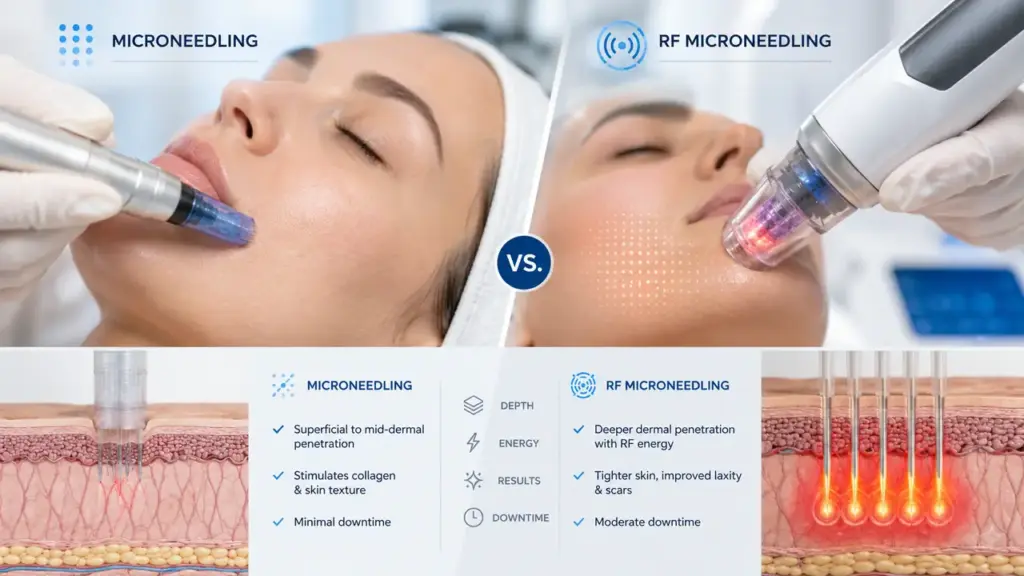
If the clinic is deciding whether to add focused ultrasound, RF microneedling, or both, review this HIFU vs microneedling comparison. It separates deep lifting goals from surface texture and scar-focused services. This reduces the risk of buying two platforms without a clear role for each one.
What Should Be Included in a HIFU Machine Price?
When reviewing a HIFU machine for sale, ask every supplier to provide the same itemized quote. This makes the offers easier to compare and exposes costs that may appear only after delivery.
| Quote item | Details the supplier should state |
|---|---|
| Main unit | Exact model name, model number, software version, voltage, and included accessories |
| Handpieces | Number, type, technology, compatible treatment areas, and replacement price |
| Cartridges or probes | Included depths, quantity, shot capacity, refill policy, and replacement cost |
| Operator training | Format, duration, language, trainer access, and whether repeat sessions are included |
| Warranty | Coverage period, covered parts, exclusions, labor, and shipping responsibility |
| Support and spare parts | Support channel, response time, remote diagnostics, stock availability, lead time, and prices |
| Logistics | Packing, freight, insurance, customs documents, import duties, and delivery terms |
| Regulatory documents | Documents for the exact model and destination market, not only general factory certificates |
Two machines can have a similar HIFU device price but a very different first-year cost. One quote may include facial and body cartridges, training, and a full warranty. Another may cover only the base unit.
What Affects Professional HIFU Device Price?
Brand, buying channel, and quality control
Established brands may charge more for proprietary technology, marketing value, distribution, and local service. Factory-direct systems may reduce the purchase price. In that case, examine how the supplier verifies energy output, handpiece performance, electrical safety, and stability before shipment. Comparing established HIFU machine manufacturers can also help buyers assess different supply and service models.
Handpieces, depths, and cartridge cost
A face-only system usually needs fewer configurations than a face-and-body platform. Extra handpieces and depth options can raise the HIFU equipment price, but they may support a broader menu. Check cartridge life, replacement price, refill policy, and separate warranty terms. Pay only for applicators your operators are trained and permitted to use.
Treatment speed and clinic workflow
Faster line delivery may improve room use and reduce operator time. Compare real operating speed, handpiece comfort, interface clarity, cooling needs, and setup time. A fast specification has little value if the system is difficult to use consistently.
Training, warranty, shipping, and support
These items change the real landed cost. The supplier should explain training, troubleshooting, repair time, parts availability, freight, insurance, duties, and delivery terms in writing. A low HIFU machine cost can become expensive when weak support causes downtime.
Why “3D,” “7D,” or “12D” does not define equipment grade
The “D” label is not a universal technical grading standard. Two systems with the same label may use different handpieces, line counts, cartridges, output controls, and software. Compare measurable specifications and support terms instead of using the marketing label as a shortcut for quality. This HIFU machine comparison explains the practical differences among common 4D, 7D, 12D, 22D, and 25D platform labels.
Total Cost of Ownership for a Small Clinic
The purchase price is only the first part of the budget. Use a first-year cost calculation before you approve an order.
HIFU Profit & Break-Even Calculator
Device Parameters
Your equipment and delivery costs
Revenue Parameters
Your pricing and expected demand
Your Estimated Results
Gross Profit / Treatment
$640
Break-Even Treatment Count
29 sessions
Break-Even Period
2.8 months
Projected Annual Gross Profit
$76,800
| Cost group | Items to include |
|---|---|
| Purchase and setup | Device, handpieces, cartridges, freight, import charges, installation, and training |
| Routine operation | Cartridge usage, replacement handpieces, cleaning materials, staff time, and room time |
| Risk and support | Maintenance, spare parts, return shipping, lost bookings during downtime, and financing cost |
Do not rely on shot capacity alone. Confirm whether the stated figure applies to each cartridge or to the handpiece, whether unused shots expire, and whether the supplier guarantees replacement stock.
Training, Documentation, and Operator Safety
A simple screen does not replace structured training. Operators need instruction on client assessment, contraindications, permitted treatment areas, cartridge selection, parameter use, cleaning, emergency procedures, and aftercare communication. The clinic also needs an operating manual and a process for recording treatments and incidents.
When reviewing a supplier’s course, compare it with the core theory and practical topics covered in structured HIFU training. Online learning can support preparation, but it should not replace model-specific operator training.
In the United States, aesthetic focused ultrasound stimulator systems fall under FDA Class II controls. This guide to FDA cleared HIFU machines explains common terminology and model-checking issues. Clinics should still review the official FDA guidance for focused ultrasound stimulator systems for aesthetic use. They should also verify the regulatory status of the exact model they plan to buy. A company registration, a factory certificate, or a clearance for another device does not automatically apply to every HIFU machine.
Rules for devices, operators, and permitted services differ by country, state, and profession. Confirm local requirements before purchase and before offering the service.
Warranty, Spare Parts, and After-Sales Support
The warranty should state more than its duration. Ask which parts are covered, whether handpieces and cartridges have separate terms, who pays international freight, and what evidence is required for a claim.
| Question to ask | Why it matters |
|---|---|
| What is the normal support response time? | A quick first response can reduce cancelled bookings and staff uncertainty. |
| Can the supplier diagnose the unit remotely? | Remote checks may resolve software and setup problems without return shipping. |
| Which spare parts are kept in stock? | Availability matters more than a long parts list with no inventory. |
| How long does replacement delivery take? | Lead time determines the clinic’s likely downtime. |
| Who pays freight for a warranty claim? | International shipping can change the real value of the warranty. |
Review the supplier’s written HIFU machine warranty before paying a deposit. Save the final specification, invoice, training record, test report, and support contacts with the clinic’s equipment file.
ROI: When Can a HIFU Machine Pay for Itself?
How Many Treatments Are Needed to Recover the Machine Cost?
Buying a HIFU machine is a business decision. The return depends on the machine price, cartridge cost, staff time, room use, local pricing, client demand, and the number of paid treatments delivered each month. The calculator below lets a clinic test these figures with its own operating assumptions.
Use local figures in the calculator. A lower purchase price may appear easier to recover, but expensive cartridges, weak support, or frequent downtime can extend the real break-even period. A higher-priced system may be reasonable if it supports more profitable services, improves room efficiency, or provides stronger after-sales protection.
Run both a realistic case and a conservative case. The machine should still fit the business if monthly bookings are lower than expected. Choose a system that matches the clinic’s likely treatment volume, not only the amount available for the initial purchase.
Validate Local Demand Before Choosing a Price Tier
Broader demand for non-surgical skin tightening is useful market context, but it does not guarantee demand for one clinic. Local client flow determines whether the equipment can produce enough paid treatments to recover its cost.
Before buying, review recent consultation records and inbound enquiries. Look for repeated interest in facial laxity, jawline definition, neck tightening, or selected body services. Also check whether the clinic already serves the age groups and client profiles most likely to consider the new service.
| Demand signal | What the clinic should track |
|---|---|
| Existing enquiries | Number of relevant questions and consultations received each month |
| Client fit | Age range, treatment goals, contraindications, and willingness to consider a device-based service |
| Price acceptance | Response to a realistic local price range, not a promotional launch price |
| Staff capacity | Available operator time, room access, and ability to complete training |
| Repeatable demand | Referrals, follow-up interest, and the likelihood of maintaining bookings after launch |
A common mistake is buying because the market is growing without checking the clinic’s own data. A mid-priced machine can reduce the capital risk while demand is being tested. An original branded system needs a stronger case based on utilization, local brand value, or service positioning.
Frequently Asked Questions
How much is a HIFU machine for a small clinic?
Professional HIFU machine prices generally fall into two planning levels. Mid-priced professional systems are usually $1,000–$10,000. Original branded systems are usually $20,000–$50,000. Configuration, shipping, training, warranty, and local market requirements affect the final quote.
Why can two HIFU machine quotes differ so much?
One quote may cover only the base unit. Another may include multiple handpieces, cartridges, training, warranty, spare parts, shipping, and local distributor support. Compare the exact model and an itemized list of inclusions before comparing the totals.
What price range should a small clinic budget for?
Prepare a budget for the complete setup, not only the machine. Include the device, handpieces, initial and replacement cartridges, shipping, import charges, training, warranty, maintenance, and a reserve for service or downtime. The equipment tier may be $1,000–$10,000 or $20,000–$50,000, but the final budget should use the landed and clinic-ready cost.
What affects the cost of a clinic HIFU machine?
The main factors are brand, handpiece configuration, cartridge depths, shot capacity, energy control, treatment speed, training, warranty, technical support, shipping, and market documentation. Two machines with similar purchase prices can have different first-year costs.
Is a $1,000–$10,000 HIFU machine suitable for professional use?
It can be, but price alone cannot confirm suitability. Verify the model’s intended use, output specifications, quality-control process, operator training, warranty, spare parts, and regulatory documents for your market.
Should a small clinic choose a portable HIFU machine?
A portable model may suit a small room or mobile workflow. Check the same clinical, technical, and support factors you would check for a larger system. Compact size should not replace output verification, training, or documentation.
What is the most important ongoing HIFU machine cost?
Cartridge replacement is often a major direct operating cost. Downtime can be equally important. Ask for verified shot capacity, cartridge prices, stock availability, technical support response time, and spare-part lead time.
What support should a clinic check before buying?
Confirm operator training, written protocols, warranty coverage, remote diagnostics, spare-part stock, cartridge supply, response times, and responsibility for return freight. Ask for these terms in writing before paying a deposit.
Conclusion: Compare the Full HIFU Machine Cost, Not Only the Quote
The practical HIFU machine price for a small clinic is not always the lowest quote. It should fit the intended service menu and expected monthly volume. It should also include the documentation, training, cartridges, warranty, and support needed for reliable operation.
Start with the two price levels. Compare $1,000–$10,000 mid-priced professional systems with $20,000–$50,000 original branded systems. Then request a written, itemized quote from each supplier. This keeps the comparison clear and reduces the risk of unexpected costs after delivery.
Fotromed is a professional HIFU machine manufacturer serving clinics, medspas, and distributors. When requesting a quote, provide your country, treatment areas, expected monthly volume, preferred cartridge depths, and room requirements. Ask the supplier to separate the device, handpieces, cartridges, shipping, training, warranty, and replacement costs in writing.