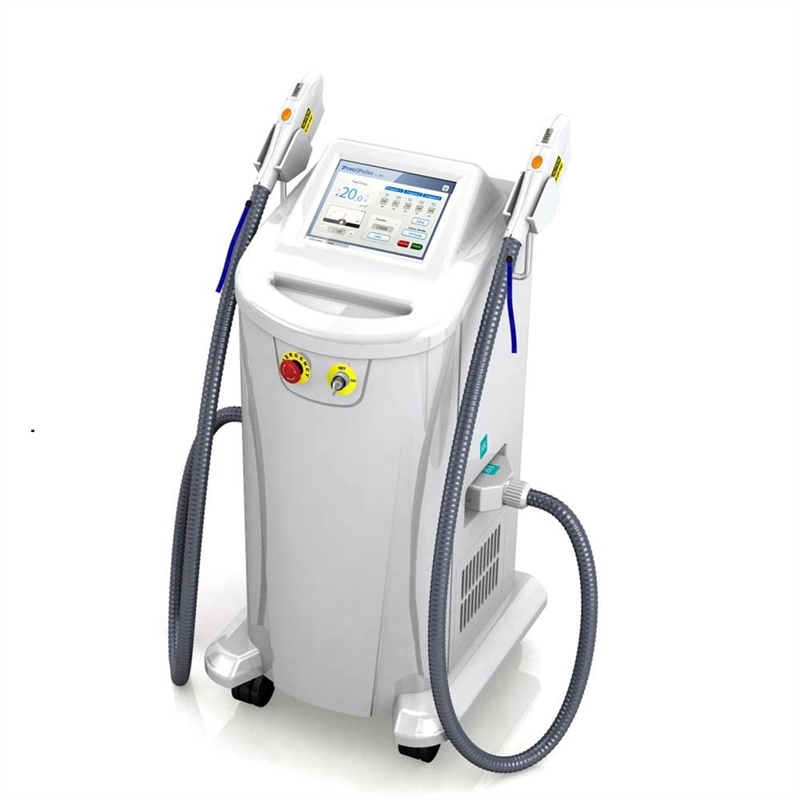
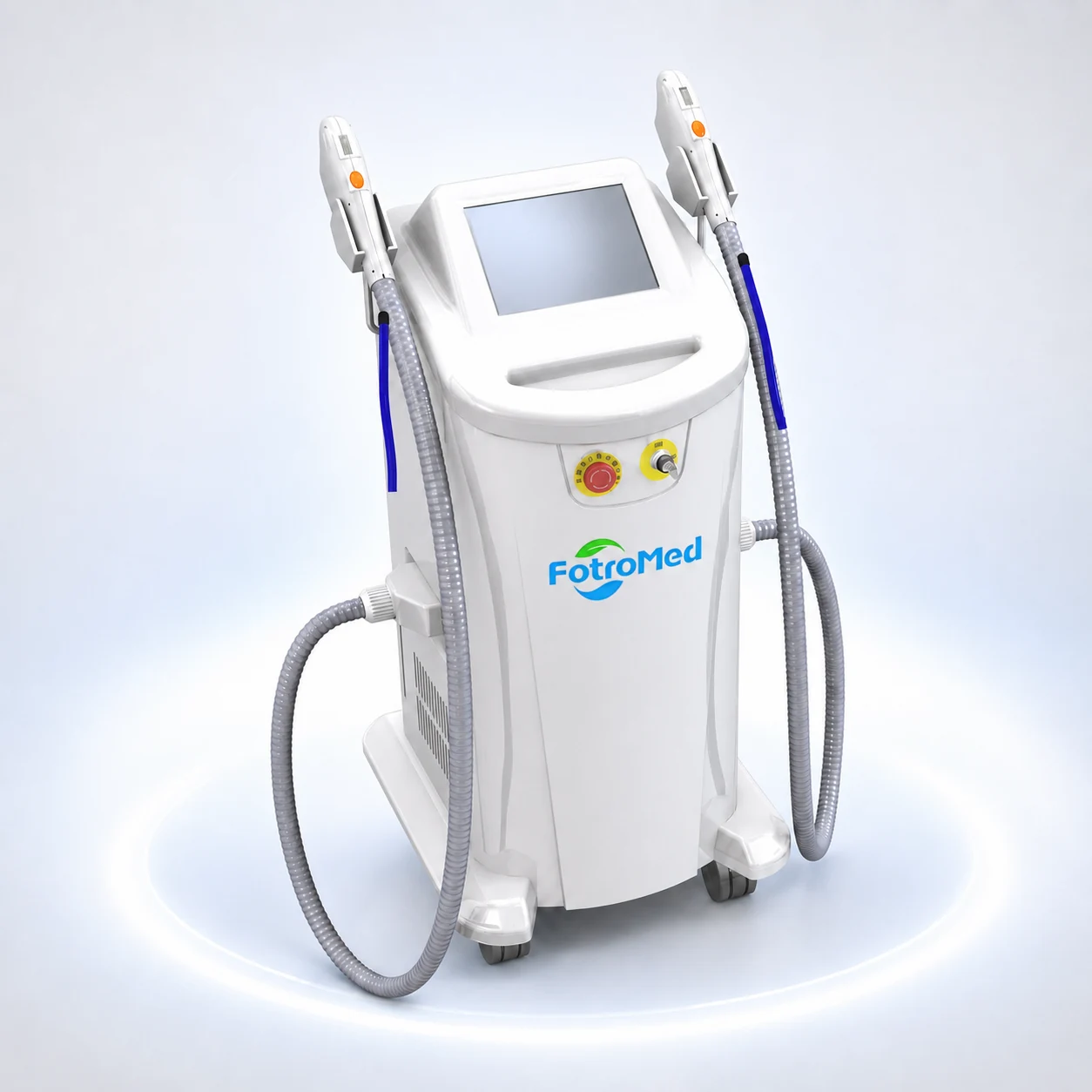
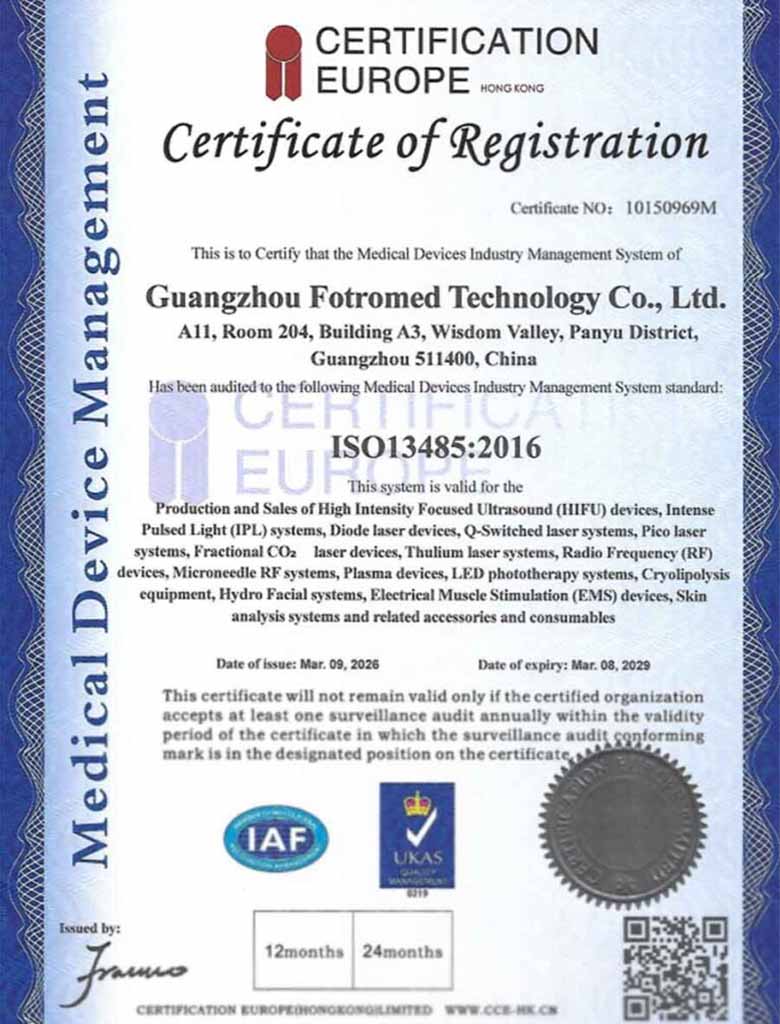
Fotromed manufactures professional IPL machines for hair removal and photorejuvenation, and supplies clinics, aesthetic chains, and distributors worldwide. You buy factory-direct from an ISO 13485 production line, not through a trading company, with OEM/ODM available from a single unit. Over a decade of building light-based aesthetic devices sits behind every machine we ship.
Factory-direct supplier, not a reseller. IPL machines built and serviced in-house, sold at factory pricing, with your-brand OEM/ODM from an MOQ of one.
Not just IPL — DPL on the higher-end line. Alongside broad-spectrum IPL, we build narrowband DPL for tighter targeting of vascular and pigment concerns.
ISO 13485 production, worldwide after-sales. Every unit traces back to the line, backed by operator training, spare parts, and service in your market.
As a professional IPL machine manufacturer in China, Fotromed offers complete IPL equipment solutions for salons, clinics, med spas, and beauty equipment distributors.
We provide multiple IPL systems and wavelength filter options for hair removal, photofacial, pigmentation, acne, vascular redness, and skin rejuvenation treatments. With factory-direct production, OEM/ODM service, training, and after-sales support. Fotromed helps clients choose and customize the right IPL machine for their market.
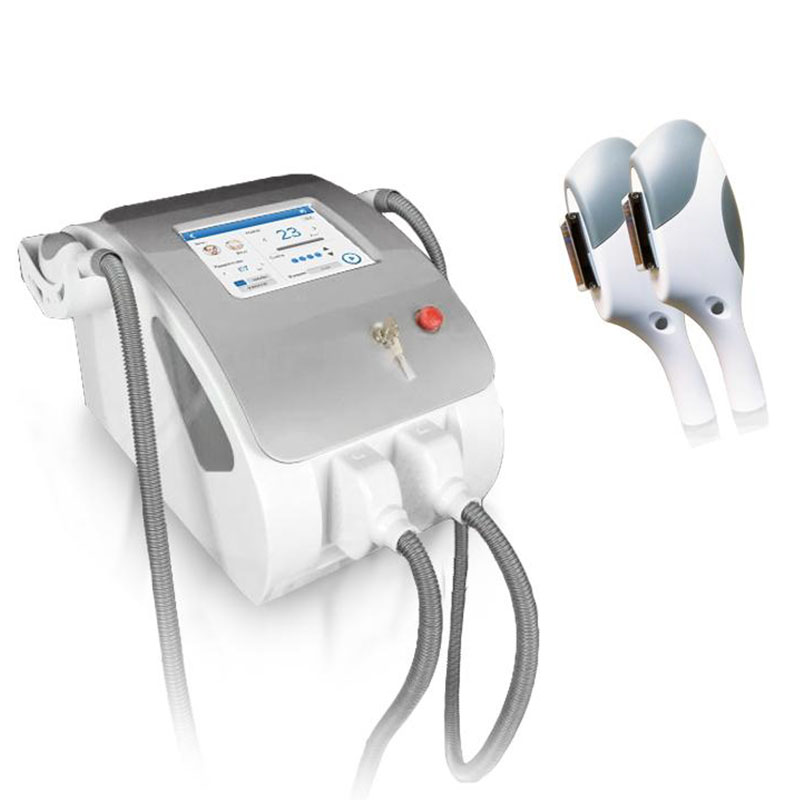
Compact & Portable Design: Ideal for small clinics or at-home use without compromising on professional-grade results.
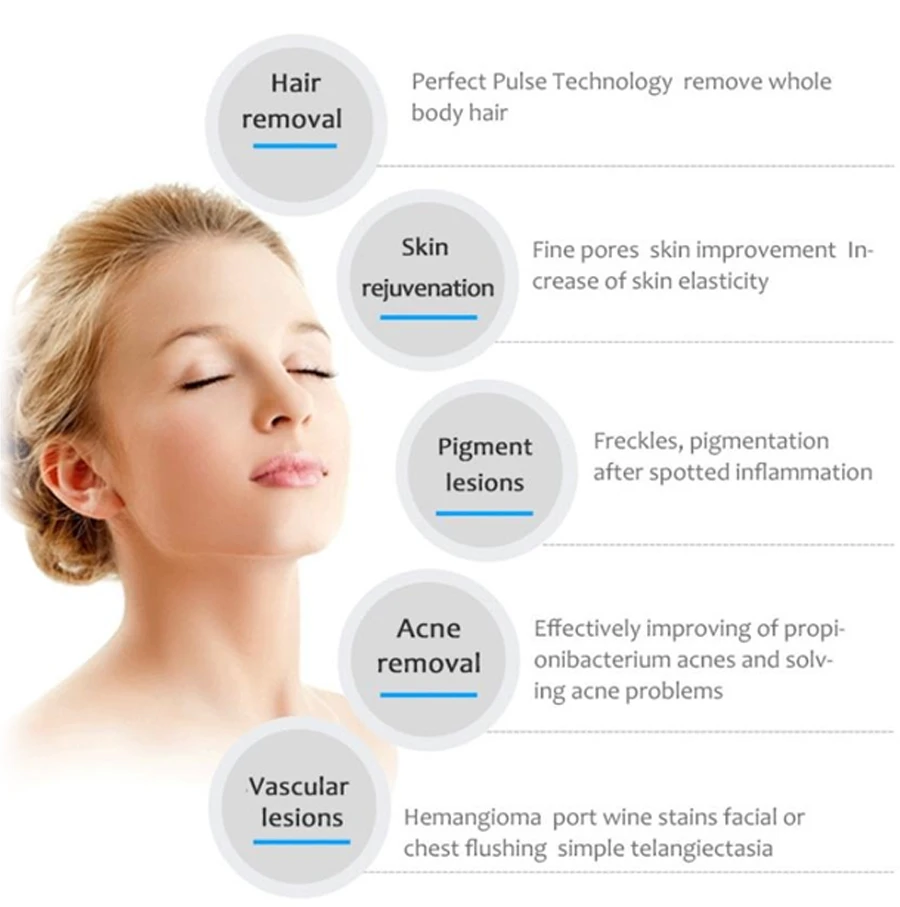
Multi-Functionality: Capable of performing a variety of treatments, including hair removal, skin rejuvenation, pigmentation correction, and acne treatment.
User-Friendly Interface: Simple to operate, with customizable treatment settings for personalized care.
An IPL machine is a broad-spectrum light device that emits intense pulsed light across a band of wavelengths — roughly 500–1200 nm — and uses interchangeable cut-off filters to aim that light at specific targets in the skin.
A laser fires a single wavelength; IPL covers a range, so one applicator can reach several chromophores at once — melanin, hemoglobin, and water. That broad band is what makes IPL a technology category, not a single procedure.
The cut-off filter (commonly 515, 560, 590, or 640 nm), the fluence, and the pulse settings decide what a treatment does — hair reduction, photorejuvenation (the “photofacial”), or pigment and vascular clearance — on the same platform. Narrowband variants such as DPL concentrate the output into a tighter band for more selective vascular and pigment work.
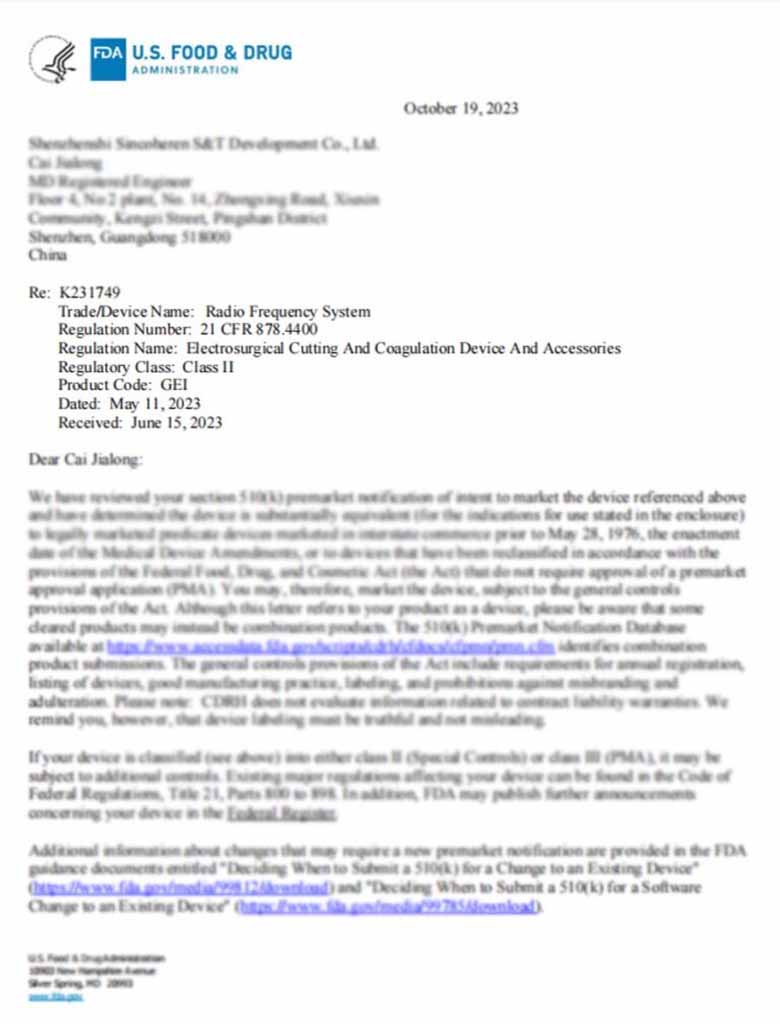
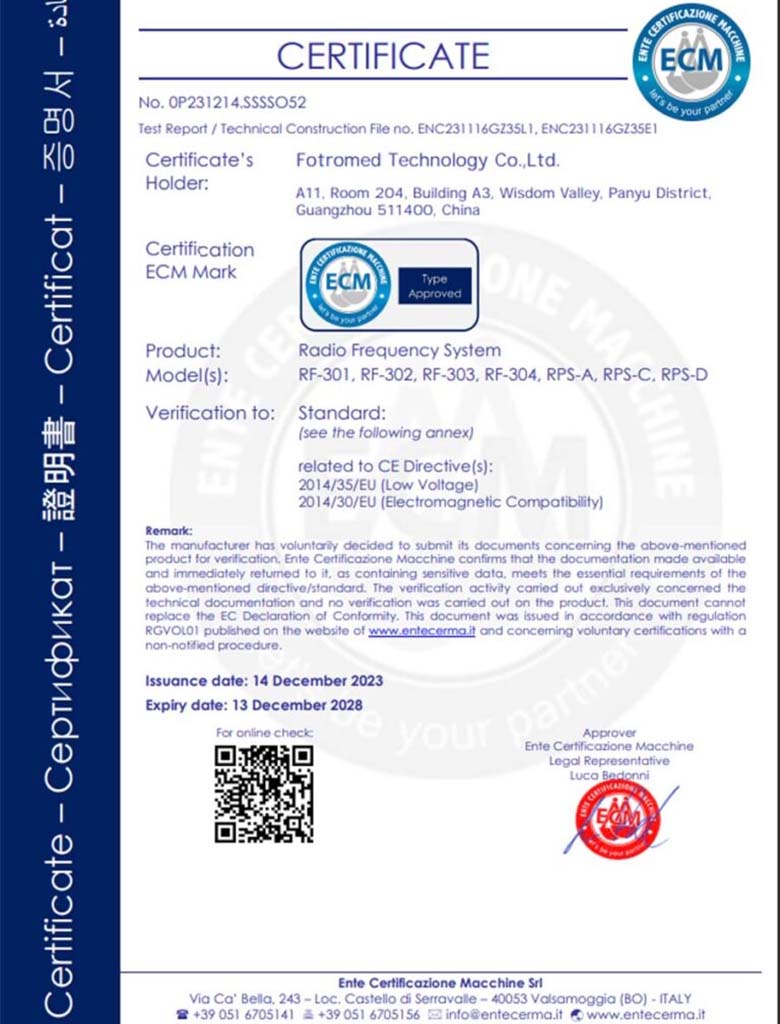
As the manufacturer, Fotromed builds these systems for 2,000+ clients across 50+ countries — CE-certified, FDA 510(k)-cleared, ISO 13485 production.
An IPL machine works by selective photothermolysis: broad-spectrum pulsed light is absorbed by a target chromophore — melanin, hemoglobin, or water — converted to heat, and that heat breaks down the target while a cooling system protects the surrounding epidermis.
The mechanism, step by step
1
Emit
A xenon flash lamp fires broad-spectrum pulsed light across roughly 500–1200 nm.
2
Filter
A cut-off filter blocks the shorter wavelengths, leaving a band matched to the intended target.
3
Absorb
The target chromophore — melanin, hemoglobin, or water — absorbs that band selectively.
4
Heat & protect
The absorbed light turns to heat and breaks down the follicle, pigment, or vessel; contact or sapphire cooling shields the epidermis.
Three settings control the dose: fluence (energy density, J/cm²), pulse duration (ms), and repetition rate (Hz). In the dermis, water absorption adds gentle heating that supports collagen remodeling.
Fotromed filters and wavelength bands
Each filter is matched to a different job. A lower cut-off (420 nm) keeps the short wavelengths that hemoglobin absorbs strongly, for surface vascular work; a higher cut-off (690 nm) passes only longer wavelengths that reach deeper to the follicle with less competition from epidermal melanin.
Filter / handpiece
Wavelength
Treats
IPL handpieces — broad-spectrum, interchangeable on the base unit
VR — Vascular
420–1200 nm
Redness, broken capillaries, rosacea
SR — Skin Rejuvenation
560–1200 nm
Sun spots, freckles, photorejuvenation, acne
HR — Hair Removal
690–1200 nm
Hair reduction
DPL filters — narrowband, LuminoMax 4-in-1 only (not interchangeable with the IPL handpieces)
530 nm
Narrowband
Pores, pigmentation, fine lines, skin rejuvenation
FC560 nm
Narrowband
Anti-photoaging (penetrates the epidermis)
FC590 nm
Narrowband
Acne marks, spots, inflammation
640 nm
Narrowband
Hair reduction
Vascular
Dual-band 530–650 + 900–1200 nm
Vessels, capillaries
Cell Light
Dual-band 400–600 + 900–1200 nm
Acne
Handpiece and filter sets vary by machine; this is the standard set. The dual-band Vascular and Cell Light filters hit two absorption regions at once, and square / circle spot adapters handle local areas — forehead, upper lip, nose, and eye periphery.
IPL, SHR and OPT modes
These output methods — sometimes searched as an “IPL laser machine” or “OPT IPL machine” — are all the same broad-spectrum technology, not separate lasers.
IPL — single pulse
One higher-energy pulse per shot. The conventional output for pigment and vascular work.
SHR — super hair removal
In-motion passes deliver repeated low-energy pulses that heat the follicle gradually — faster over large areas and better tolerated on darker (Fitzpatrick IV–VI) skin, for hair reduction.
OPT / FP — flat-top pulse
A square-wave shape holds energy even from the first to the last millisecond of each pulse, for steadier shot-to-shot output.
DPL — narrowband IPL. The output is concentrated into a tighter band, so energy lands more selectively on vessels and pigment than broad-spectrum IPL. DPL is built into Fotromed’s LuminoMax 4-in-1.
What Can an IPL Machine Treat?
Because IPL covers a band of wavelengths, one platform handles several jobs — hair reduction, photorejuvenation, and pigment and vascular work — by matching the filter to the target.
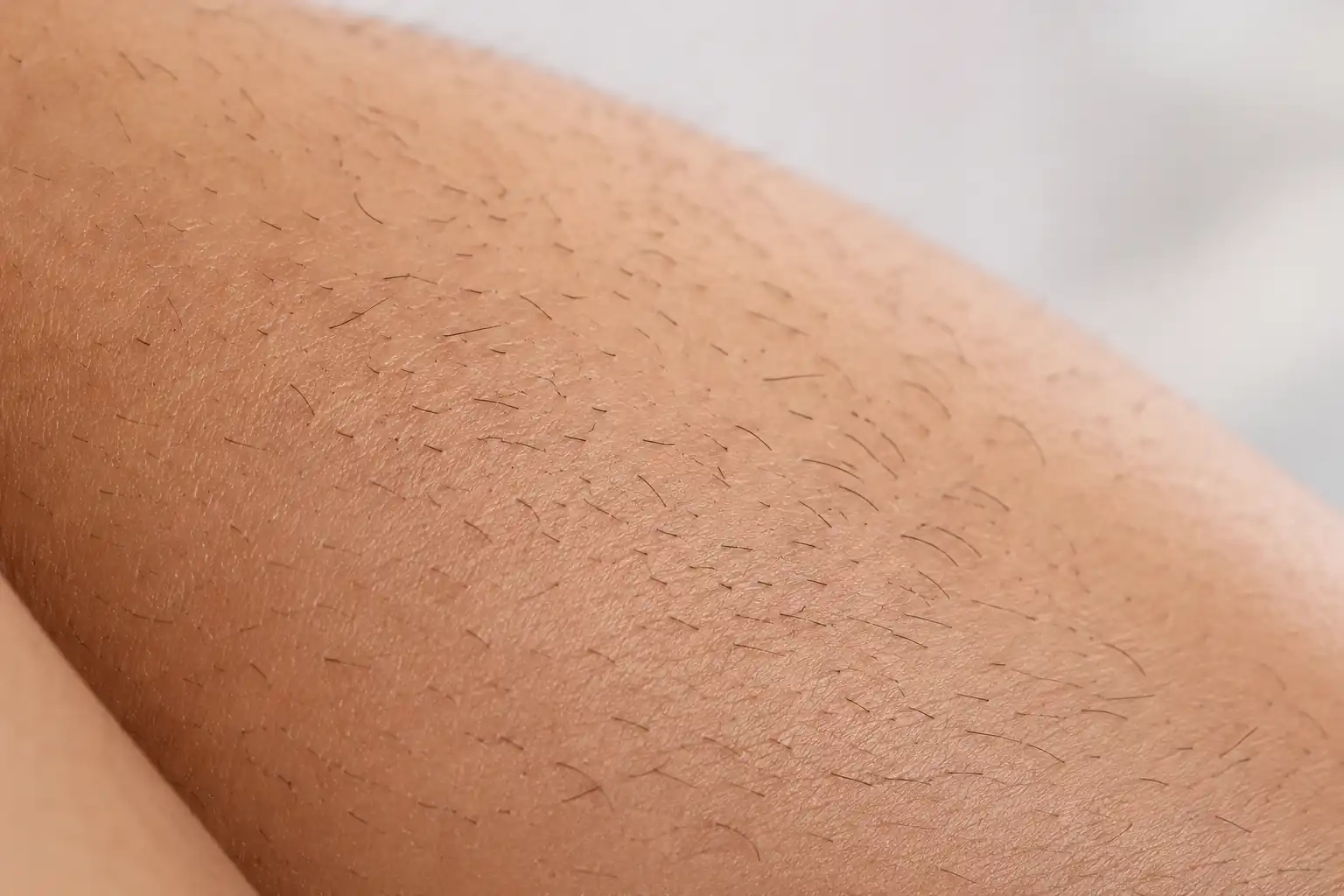
An IPL hair removal machine targets the melanin inside the hair follicle: the light is absorbed, turned to heat, and the follicle is disabled enough to slow regrowth. The clinical term is permanent hair reduction — fewer, finer, lighter hairs over a course — not permanent removal.
Common areas
FaceUpper lipChinUnderarmsArmsLegsBikiniBackChest
Handpiece: HR (690 nm) reaches deeper follicles with less epidermal competition; SHR mode suits large areas and darker skin. Works best where hair is darker than the surrounding skin.
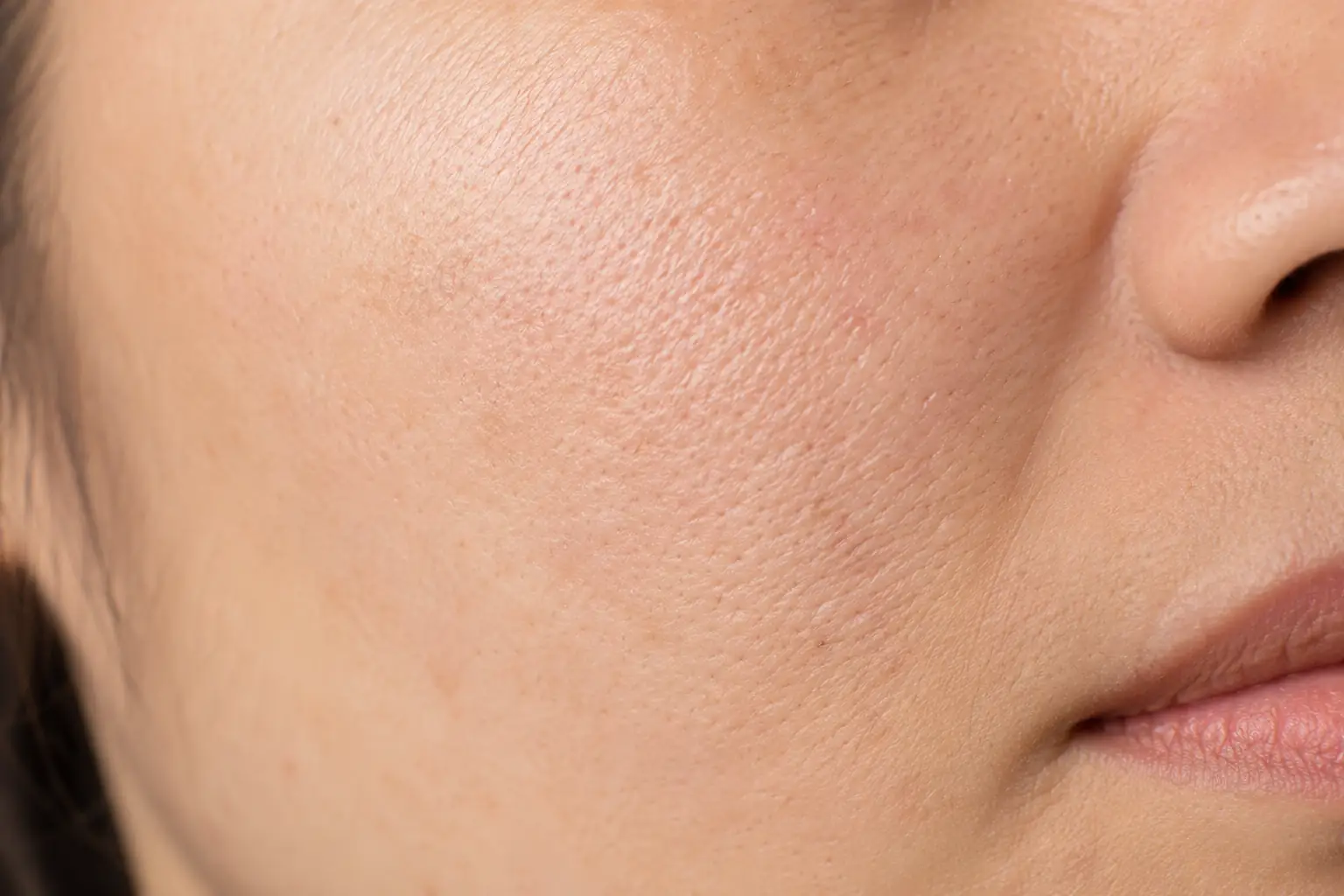
A photofacial — IPL photorejuvenation — passes broad-spectrum light across the whole treatment area to even out tone and texture in a single session. It is the most versatile IPL application: one pass addresses several surface concerns at once, which is why it sits behind searches like IPL machine for skin rejuvenation.
Targets
Sun spotsAge spotsFrecklesUneven toneDullnessEnlarged poresFine linesDiffuse redness
Heating in the dermis also stimulates collagen remodeling, which firms texture gradually over a course rather than in one visit.
Handpiece: SR (560 nm). Typical course: 3–5 sessions, about a month apart.
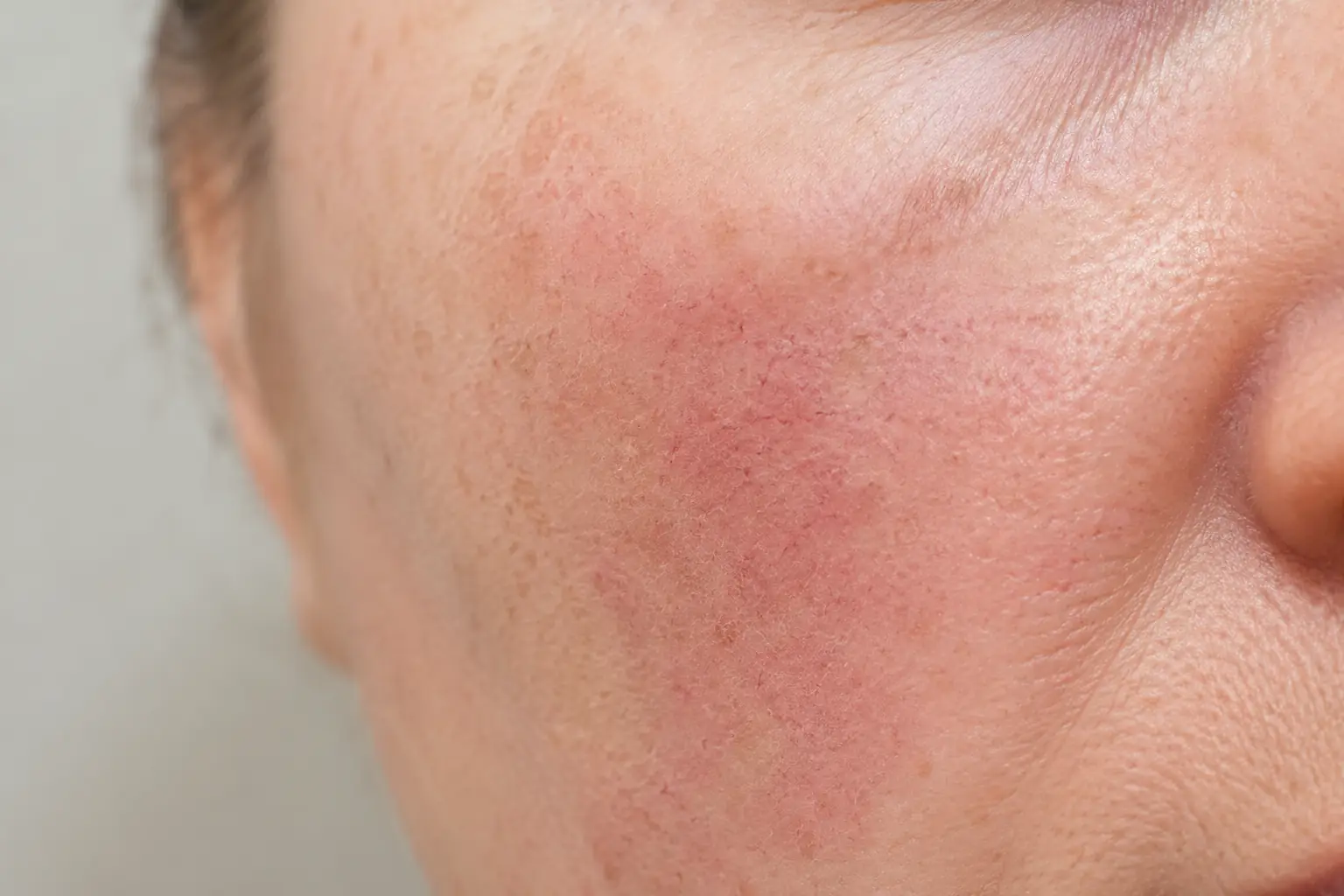
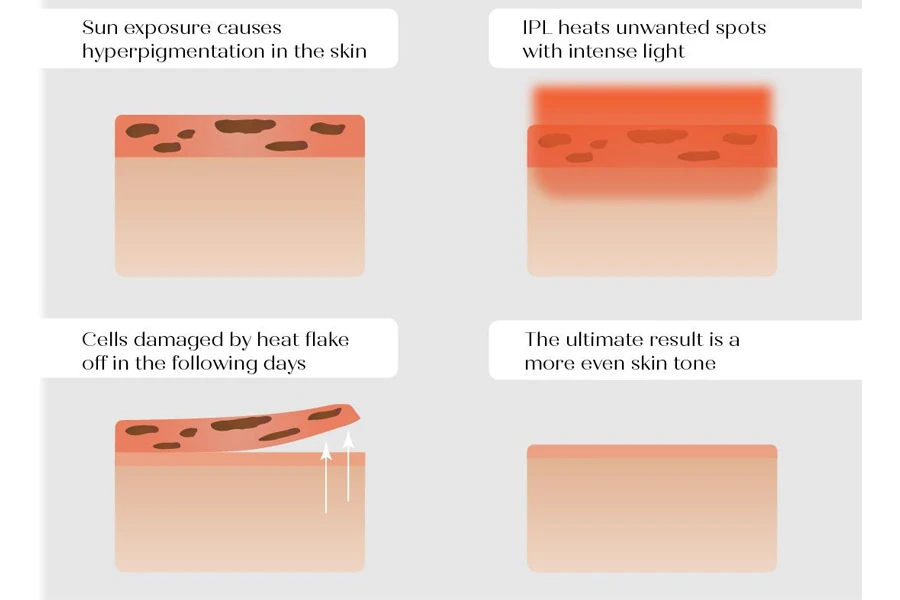
For pigmentation and vascular concerns, IPL works on two targets at once: melanin in brown and dark spots, and hemoglobin in visible vessels. Matching the filter to each target keeps the treatment selective.
Melasma is approached with caution, if at all — aggressive short-wavelength settings can worsen it. Reserve it for trained operators using conservative parameters.
Narrowband DPL, built into LuminoMax 4-in-1, concentrates the output into a tighter band for finer vascular and pigment work.
Handpieces: SR (560 nm) for pigment; VR (420 nm) for vessels and redness.
Is IPL suitable for darker (Fitzpatrick IV–VI) skin?
Yes, with care. On darker skin the epidermis holds more melanin, which competes with the target and raises the risk of burns and post-inflammatory hyperpigmentation. Conservative fluence, strong contact cooling, longer cut-off filters or SHR mode, and a mandatory spot test bring that risk down. Operator skill carries more weight here than on lighter skin — which is why parameter guidance ships with every Fotromed system.
IPL vs Diode Laser vs Alexandrite vs Nd:YAG
IPL and laser hair removal both work by selective photothermolysis, but an IPL machine uses broad-spectrum light across many wavelengths, while a laser fires a single wavelength. That one difference shapes how they compare on skin type, speed, range, and cost.
IPL
Diode laser
Alexandrite
Nd:YAG
Type
Broad-spectrum pulsed light (not a laser)
Single-wavelength laser
Single-wavelength laser
Single-wavelength laser
Wavelength
Broad band, ~500–1200 nm (filtered)
~810 nm
755 nm
1064 nm
Best skin types
Fitzpatrick I–IV (V–VI with conservative settings)
I–VI
I–III (lighter skin)
IV–VI (darkest skin)
Main target
Melanin + hemoglobin + water
Melanin (follicle)
Melanin (strong absorption)
Deeper targets; least melanin competition
Indications
Multi — hair reduction, pigment, vascular, photorejuvenation
Hair reduction (specialized)
Hair reduction; some pigment
Hair reduction (dark skin), vascular
Speed, large areas
Fast (large spot, broad coverage)
Very fast (scanning modes)
Fast
Slower; needs higher fluence
Comfort
Mild to moderate
Moderate; well-tolerated with cooling
Moderate to higher
Higher (more intense)
Per-session cost
Lower
Moderate
Moderate to higher
Moderate to higher
All four use the same principle — selective photothermolysis — so none is simply “stronger”; the trade-off is range versus precision. IPL is broad-spectrum and multi-purpose (hair, pigment, vascular, photorejuvenation), fast over large areas at lower cost. The lasers are single-wavelength and specialized: Alexandrite (755 nm) suits lighter skin, diode (~810 nm) is the versatile all-rounder, and Nd:YAG (1064 nm) is safest for darker (Fitzpatrick IV–VI) skin and vascular work. The right choice depends on indication and skin type — which is why multi-modal platforms like LuminoMax 4-in-1 carry IPL and laser together.
IPL vs SHR, OPT or DPL? These are not competing technologies. SHR and OPT are pulse-delivery modes within IPL, and DPL is a narrowband version of IPL — all the same broad-spectrum family, not separate lasers. See how an IPL machine works for the difference.
An epilator, by contrast, is a mechanical device that pulls hair out — not a light-based system, and not comparable here.
How to Choose the Right IPL Machine
The best IPL machine is the one matched to your clients’ skin tone and top concern — not the biggest spec sheet.
Types of IPL machines
IPL machines are usually named by their signature mode or by how many technologies they combine. Six categories cover most of the market.
Traditional IPL machine
Conventional single-pulse broad-spectrum IPL with interchangeable filters. The original all-rounder for pigment, vascular and hair work — the classic photofacial machine.
SHR IPL machine
Super Hair Removal: in-motion sliding with repeated low-energy passes that heat the follicle gradually. Faster over large areas, more comfortable, and gentler on darker skin.
OPT IPL machine
Optimal Pulse Technology — a flat, square-wave pulse that holds energy steady from start to finish, for more consistent shot-to-shot results.
E-light IPL machine
IPL paired with RF (radiofrequency). The added RF helps reach the target with less light energy, easing epidermal load and supporting skin tightening.
DPL machine
Narrowband IPL: a concentrated band for precise vascular and pigment work, with less collateral heating than broad-spectrum IPL.
Multifunction IPL machine
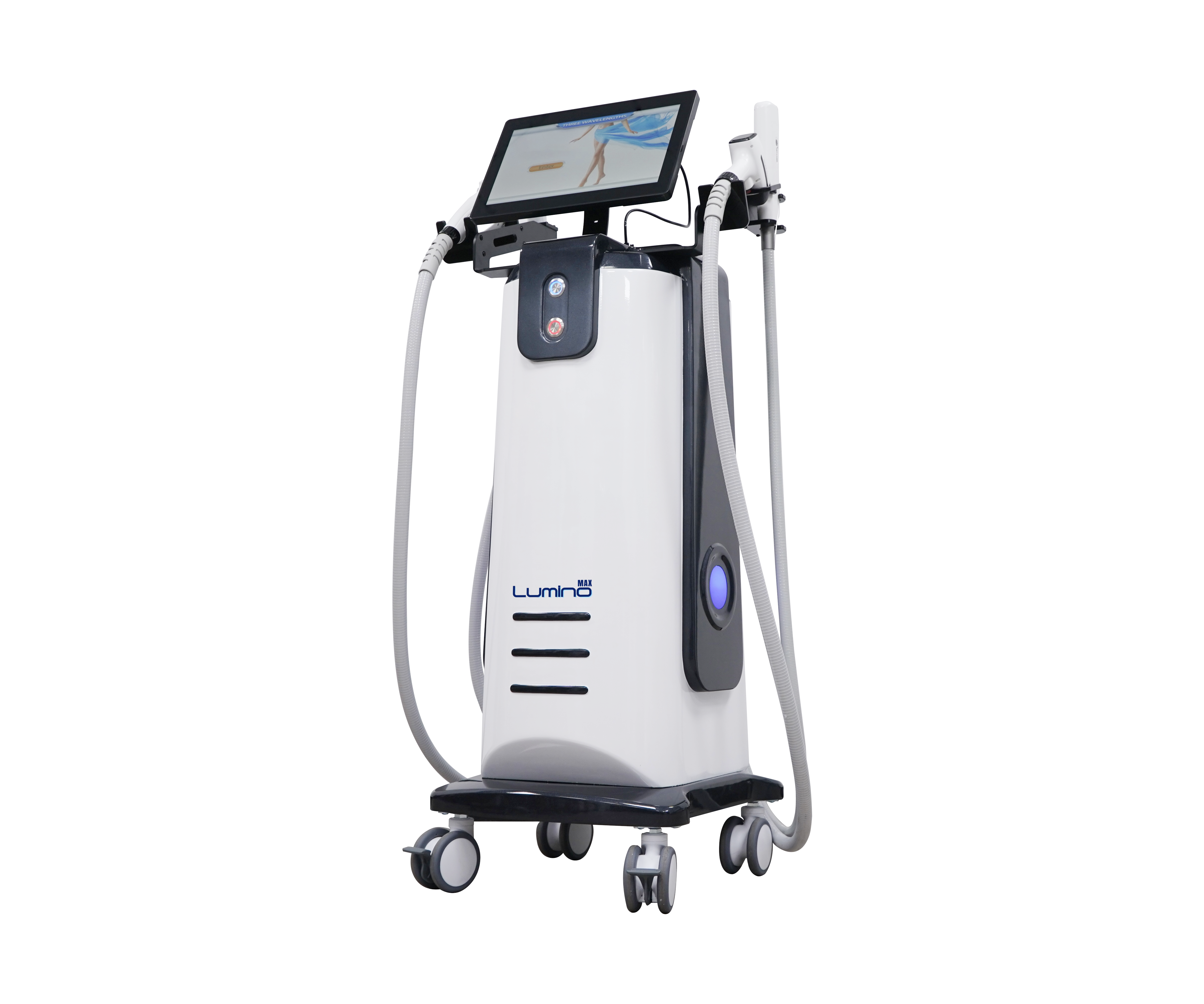
Several technologies on one base. LuminoMax 4-in-1 carries DPL + diode + RF + Pico — a full treatment menu from a single supplier.
By build: tabletop units are portable and space-friendly; stationary (vertical) units suit high-volume rooms running all day.
Choose by your clientele, not the spec sheet
Start with two questions — who your clients are, and what they ask for most. The answers point to the handpieces and modes you actually need.
Mostly lighter skin — Fitzpatrick I–III
Common in Western markets. The target stands out against the skin, so the full band is usable safely. Lean on SR (560 nm) for pigment and photofacials and VR (420 nm) for redness — short filters are fine here, and photorejuvenation menus do especially well.
→ Multi-handpiece IPL, pigment- and rejuvenation-first.
Mostly darker skin — Fitzpatrick IV–VI
Common across the Middle East, South Asia, Africa, Latin America and parts of Southeast Asia. More melanin in the epidermis competes with the target, raising the risk of burns and hyperpigmentation. Favor longer wavelengths (HR 690 nm), the SHR sliding mode, strong cooling and conservative settings; narrowband DPL reaches vessels and pigment with less collateral.
→ HR + SHR + cooling-led setup; DPL (LuminoMax) for finer work.
Mixed clientele
You need filter and mode flexibility to move between both.
→ Multi-handpiece IPL or the 4-in-1 platform.
Then map it to the concern your clients ask about most. For hair specifically, wavelength choice extends beyond IPL to laser — matched to skin and hair colour.
Most-requested concern
Recommended wavelength / mode
Why
Hair — lighter skin & hair
IPL SHR (HR 690 nm); or 755 / 808 nm laser
Strong follicle contrast; fast, for hair reduction
Hair — darker skin
IPL SHR + strong cooling; or 1064 nm laser
Longer wavelength lowers burn and pigmentation risk
Sun spots, pigment, photofacial, anti-aging
SR 560 nm
Photorejuvenation across the face
Redness, capillaries, rosacea, acne
VR 420 nm (+ narrowband DPL)
Targets vessels and inflammation
Full menu / not sure yet
Multifunction IPL or LuminoMax 4-in-1
Covers all of the above
In short: match the handpiece and mode to your main clientele’s skin tone and their most-requested concern. For hair, wavelength extends to laser — 755 / 808 nm for lighter skin, 1064 nm for darker — which is why a multi-platform like LuminoMax pairs IPL/SHR with a diode laser. If your menu runs broad, that one base keeps every option open.
Professional IPL Machines, Built for Clinics, Med Spas & Distributors
Clinic-grade IPL isn’t a home device scaled up — it has to run all day, client after client, without losing output.
What makes an IPL machine professional
Searches for the “best” or “most effective” IPL machine often mix in home gadgets. The real divide is duty cycle and durability: a clinic-grade unit sustains a full appointment book, where a portable one is built for occasional personal use. A few things separate them.
Higher fluence ceiling
More energy headroom for coarse hair and stubborn pigment — up to 45 J/cm² (±20%).
Larger spot size
A bigger spot covers more skin per shot, so large areas finish faster — up to 8 × 34 mm (±0.1 mm).
Active cooling & duty cycle
Contact or sapphire cooling sustains back-to-back clients without the unit overheating.
Replaceable flash lamp
The xenon flash lamp is rated at 200,000 shots — not a hard cutoff, but the point where energy output gradually begins to decline. Because the lamp is replaceable, a swap restores full power instead of retiring the machine.
Multi-indication
One platform covers hair reduction, pigment, vascular and photorejuvenation — not a single trick.
Certified
CE certified, FDA 510(k) cleared, and built under ISO 13485.
Across Fotromed’s range — entry IPL, narrowband DPL, and the 4-in-1 LuminoMax — you scale by clinic size and budget without switching supplier.
Who it’s built for
The same platform serves different businesses — from a single clinic to a commercial IPL machine in a busy salon. Here is what each one looks for.
Clinics & dermatology
Clinical versatility, treatment throughput, and certifications they can stand behind — plus operator training.
Med spas
A broad service menu from one device, fast ROI, and an interface estheticians can run with confidence.
Hair-removal salons
Speed over large areas with SHR, client comfort, high uptime, and low consumable cost per session.
Distributors & agents
Healthy margin, workable MOQ, OEM/ODM options, market-ready certifications, and dependable after-sales and spares.
Fotromed is a China-based IPL machine manufacturer that builds every unit in-house and supplies clinics, chains and distributors — wholesale or fully OEM-branded.
2,000+
Clients worldwide
50+
Countries supplied
CE
Certified
FDA 510(k)
Cleared
ISO 13485
Factory quality system
Build your brand with Fotromed
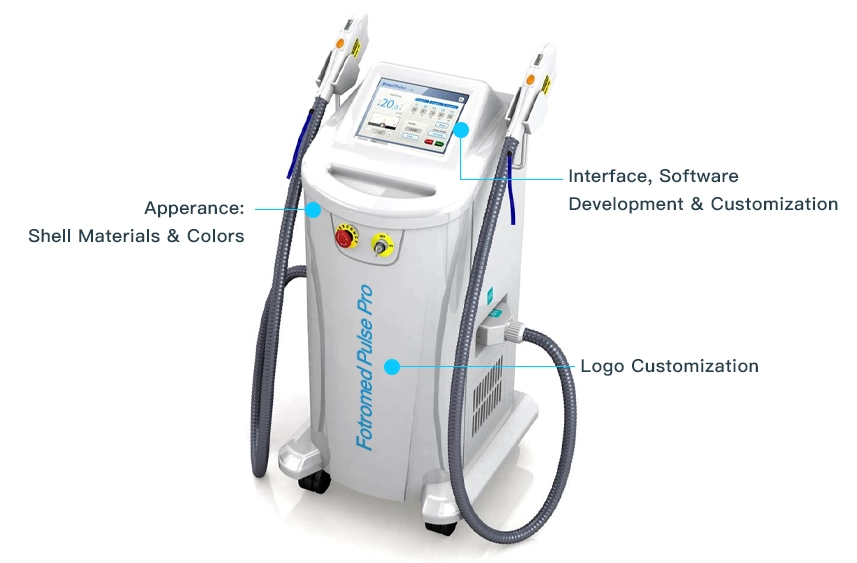
Customized design & branding
Your logo, casing colour and software UI, branded on every unit we ship.
Flexible MOQ & investment
Branding from as few as 1 units; design fees drop on volume orders.
Fast turnaround
Logo & software: 3–5 days
Colour customization: 7–14 days
New design molding: 40–60 days
Global distributor support
Operator training, marketing materials and regulatory documents for your market.
Customization Workflow
1
Select your base device
Pick a base from our current range.
2
Confirm MOQ & timeline
We give you a cost and timeline breakdown.
3
Pick customization
Design reshape, device colour, software and logo.
4
Production & delivery
Built and quality-checked, shipped on the agreed timeline.
5
Market with confidence
Launch with documentation, training and after-sales.
Client Success Stories: Better Machines, Better Support
Two real orders — the buyer's problem and the system we put in their hands. Client names withheld at their request.
Multi-mode IPL on a start-up budget
Challenge
A first-time importer setting up an aesthetic studio in a crowded market. A local distributor was reselling comparable IPL systems for over CAD $20,000. She needed one device that did more than hair removal to build a client base on a start-up budget, and wanted to be sure of build quality, after-sales, and operator training before committing.
Our solution
We supplied a multi-mode IPL platform direct from the factory — well below the local distributor's resale price for an equivalent system. The order included operator training with a completion certificate, ready-made marketing assets for her launch, and a staged payment plan that fit a business still waiting on start-up financing.
Factory-directMulti-mode IPLOperator trainingMarketing supportPayment plan
Four modalities, one platform
Challenge
An established salon owner running single-function equipment wanted to widen her treatment menu — but not at the cost of buying, and training staff on, several separate machines. Local technical support and ready-made marketing material mattered to her as much as the hardware.
Our solution
We supplied a 4-in-1 platform combining diode-laser hair removal, pico laser, IPL, and RF in one system, so four service lines run from a single device on one training set. The package added online training with a completion certificate, a dedicated support group, optional local technical support in Sydney, and custom treatment posters for promotion.
It utilizes a high quality medical grade xenon lamp from the UK, known for its long lasting performance and consistent energy output. The silver-plated copper in the cooling system helps manage heat effectively, extending the life of the handle and keeping it running smoothly.
Effective Cooling System
Our IPL treatment systems utilize state-of-the-art cooling mechanisms including semiconductor cooling, air cooling and water cooling to maintain machine surface temperatures at ≤37°C. This keeps the treatment head comfortably cool at all times, providing a comfortable treatment experience for the client.
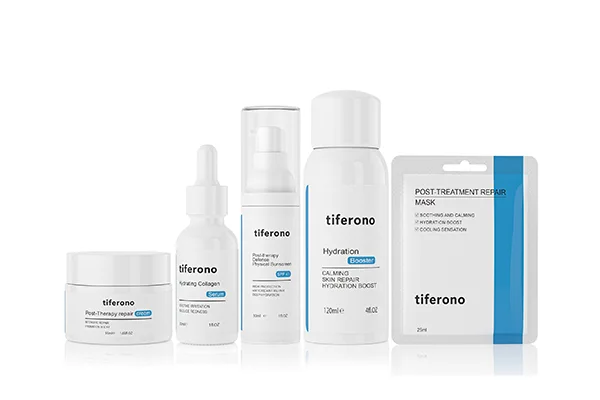
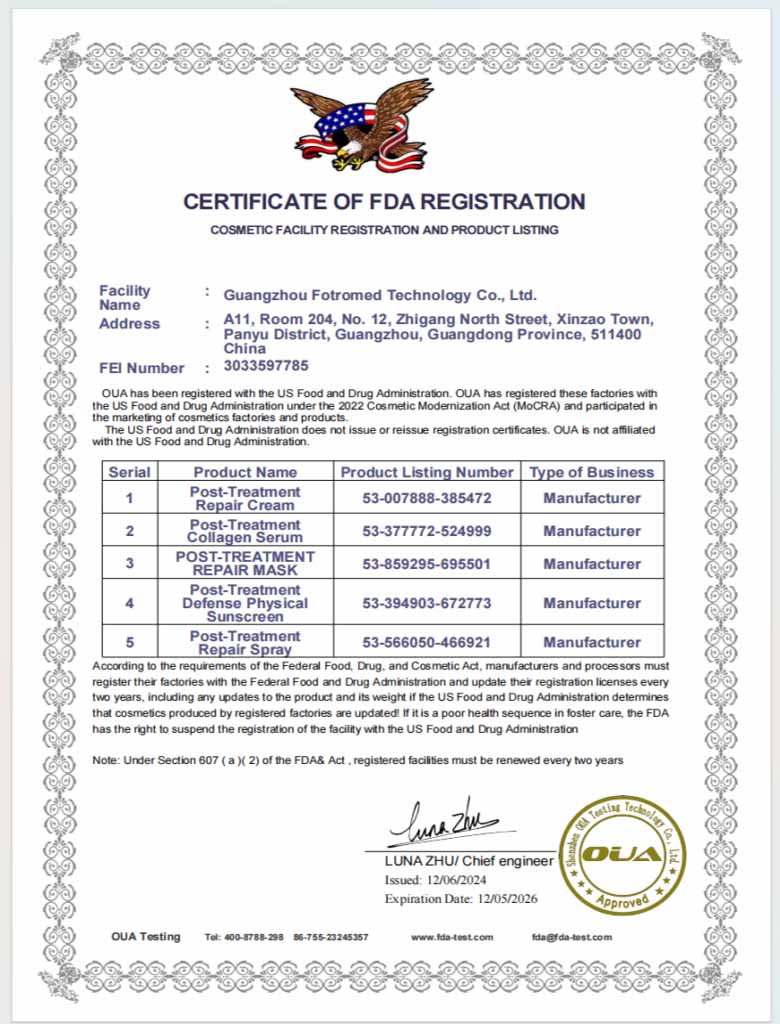
Want to know which skincare products complement our beauty equipment?
Choose Fotromed for professional aesthetic equipment backed by ISO 13485 certification, with selected products supported by Medical CE and FDA certifications. Trusted for reliable quality, compliant manufacturing, and global supply.
Getting a quote for IPL Machine
Tell us what treatments you want to offer, your budget range, and whether you need OEM branding. Our team will help you compare suitable Fotromed devices, explain the key differences, and prepare a clear quotation with shipping details. We’ll help you find a practical solution for your clinic, spa, or beauty business.
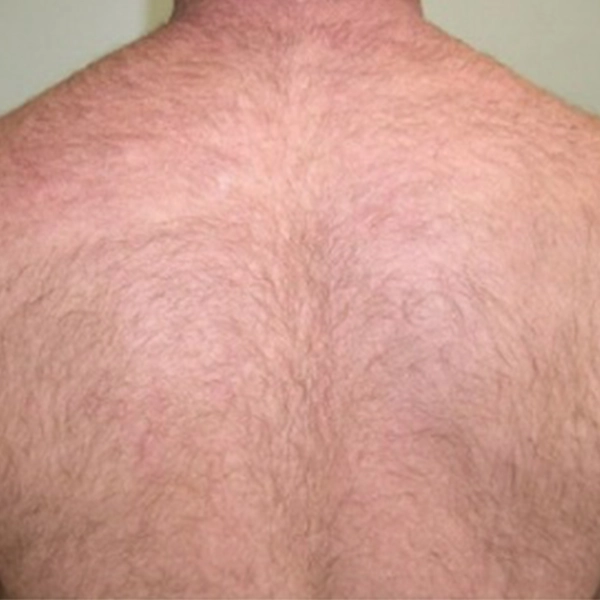
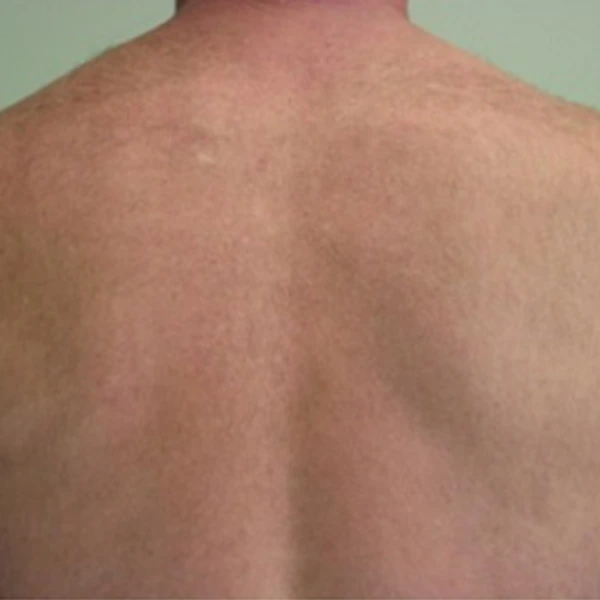
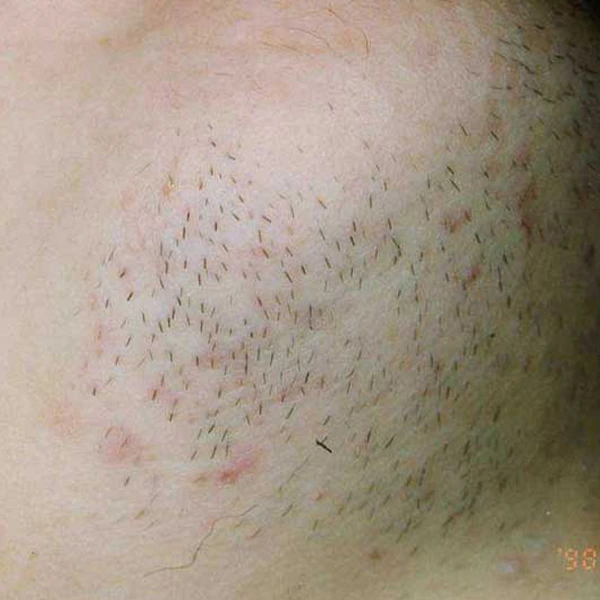
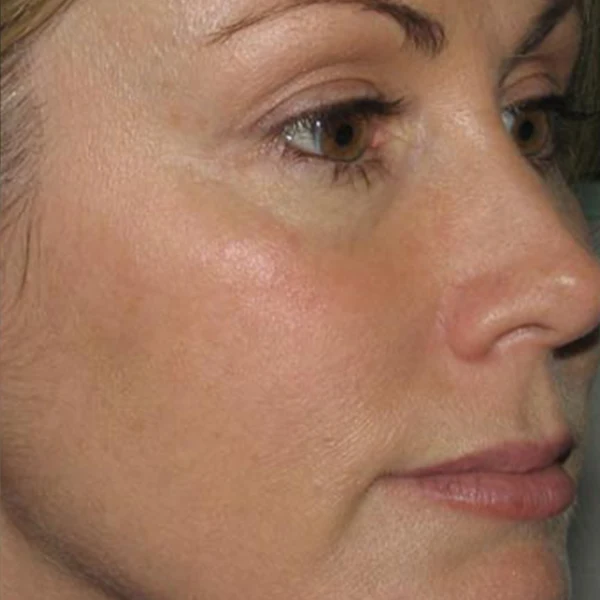
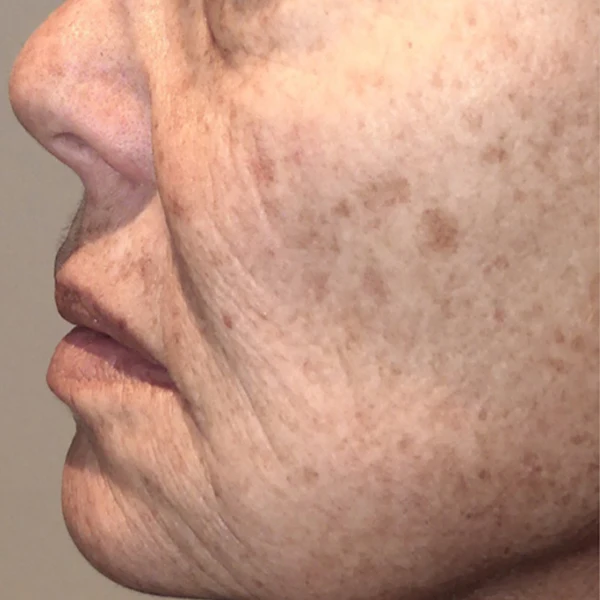
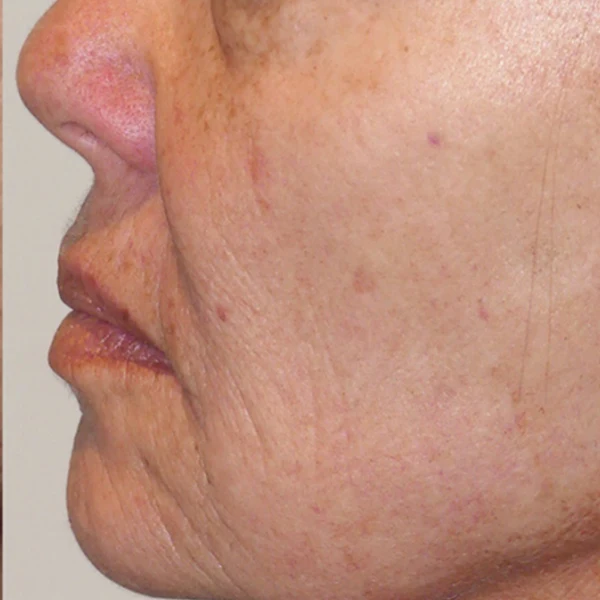
From hair removal to skin rejuvenation and pigment removal, our IPL system allows for tailor treatments to your specific skin needs.
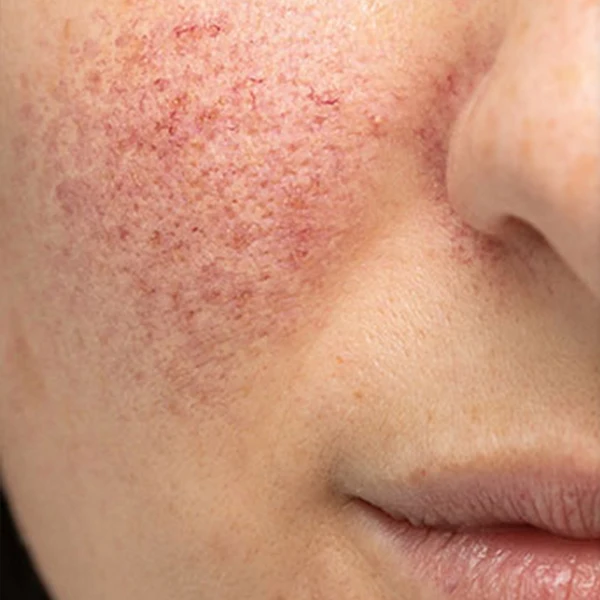
Before
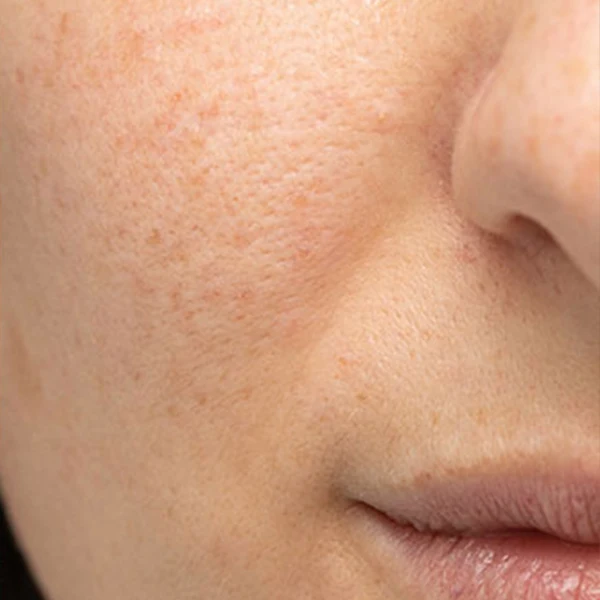
After
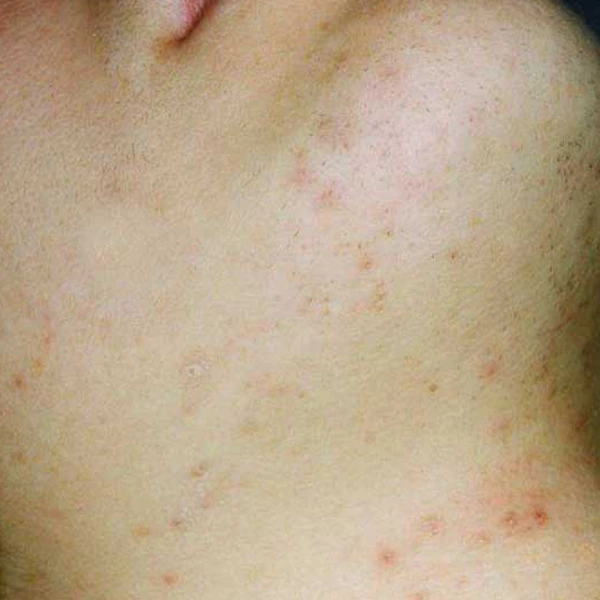
back hair removal by IPL in Huston
Before
After
IPL hair removal
Before
After
IPL Redness Reduction
Before
After
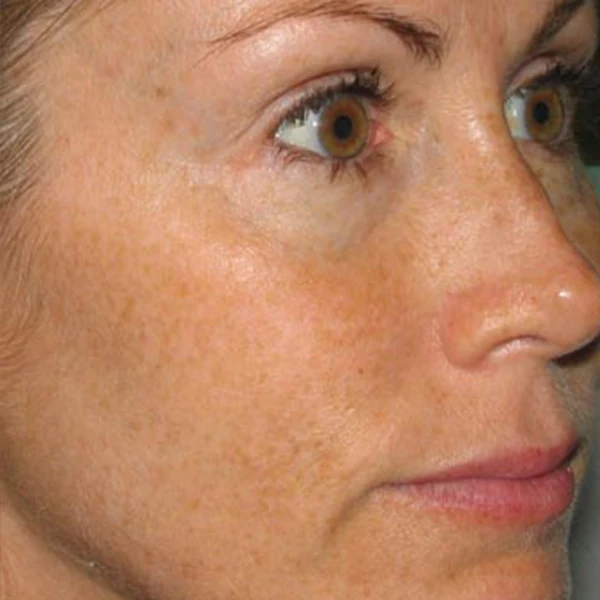
IPL Photofacial for Pigmentation
Before
After
IPL Photofacial for Sun Spots
FAQs
What's the difference between IPL, SHR and OPT?
IPL is the technology — broad-spectrum pulsed light — while SHR and OPT are ways of delivering it. Standard IPL fires single pulses; SHR glides in motion, stacking low-energy pulses to heat follicles gradually; OPT flattens each pulse into an even square wave.
How is an IPL machine different from a laser?
An IPL machine emits a band of wavelengths; a laser emits one. That difference is commercial: IPL's broad spectrum is absorbed by several targets — melanin, haemoglobin — so one device covers hair reduction, photofacial and vascular work. A single-wavelength diode or Nd:YAG is optimised for one job. IPL isn't a weaker laser; it's a multi-indication tool.
Is an IPL machine suitable for darker skin (Fitzpatrick IV–VI)?
IPL works across Fitzpatrick I–VI, but darker skin is higher-risk and needs conservative settings — it's a question of parameters, not a blanket yes. On IV–VI, use longer wavelengths, lower fluence, longer pulses and strong contact cooling. For the darkest skin, a long-pulse Nd:YAG is often safer. Final parameters stay with the trained operator.
What certifications does the IPL machine carry?
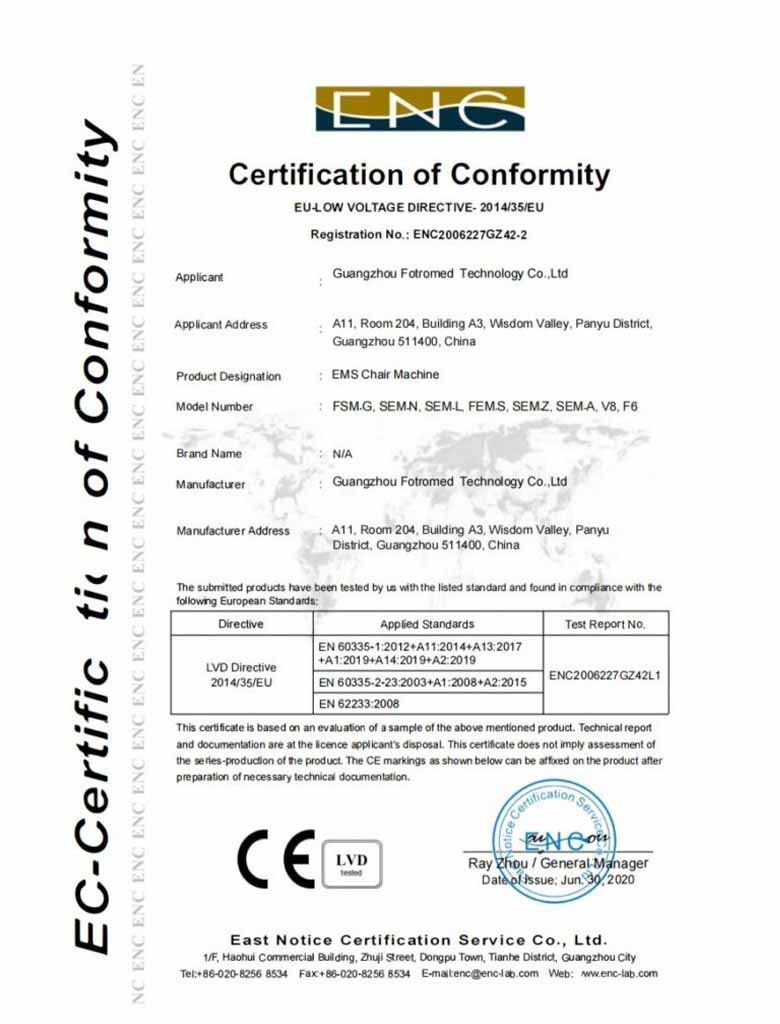
Each IPL platform is CE-marked and FDA 510(k) cleared, with the supporting test reports on file. The machines are built on an ISO 13485 production line. We send the actual certificates and the 510(k) clearance number with your quote, so your team can verify them against your own market's import requirements before you commit.
What is the MOQ and lead time, and do you support OEM/ODM?
Yes — we manufacture directly and support OEM/ODM, including custom casing, branding and a multi-language UI. MOQ is 1 unit and lead time is 30–60 days. Tell us your target indications and unit count and we'll scope the build and quote.
What training and after-sales support are included?
Every order includes operator training with a completion certificate, treatment protocols and parameter guidance, plus marketing assets on request. After-sales covers a 1 year warranty, a direct support contact, and replacement lamps and filters; local technical support is available in some regions.
How much does an IPL machine cost?
Across our full range — single-mode IPL through 4-in-1 platforms — our IPL machines run roughly USD $6,000–$8,000, with the final figure set by configuration and order volume. Send your target indications and unit count for a configured quote. Over the machine's life, shot count and cooling matter more than headline price.
Related Posts
Fotromed Pro Service: We create more than just beauty machines
As a medical aesthetic equipment manufacturer, Fotromed (ISO 13485 certified) supports OEM & ODM beauty machine service to stand out your brand image from your competitors, solidating your market position.
Training & Seminars →
Increase traffic and stay updated on the latest advancements in the industry. Join our periodic online and offline academic exchange events focusing on beauty device technology and related topics.
Marketing Support →
Enjoy complimentary standard marketing assistance services, including beauty machine promotion poster, treatment promotion posters and more. Contact us for more advanced support.
By providing your mobile phone number and email address, you are agreeing to be contacted by or on behalf of the FotroMed, including emails to your email address and text messages to your mobile phone and other wireless devices.