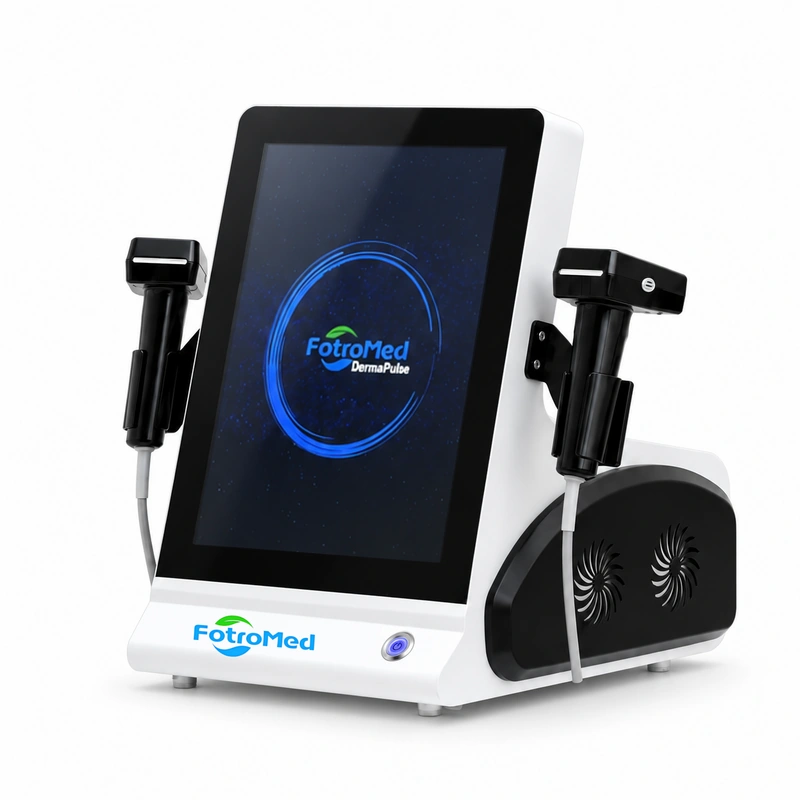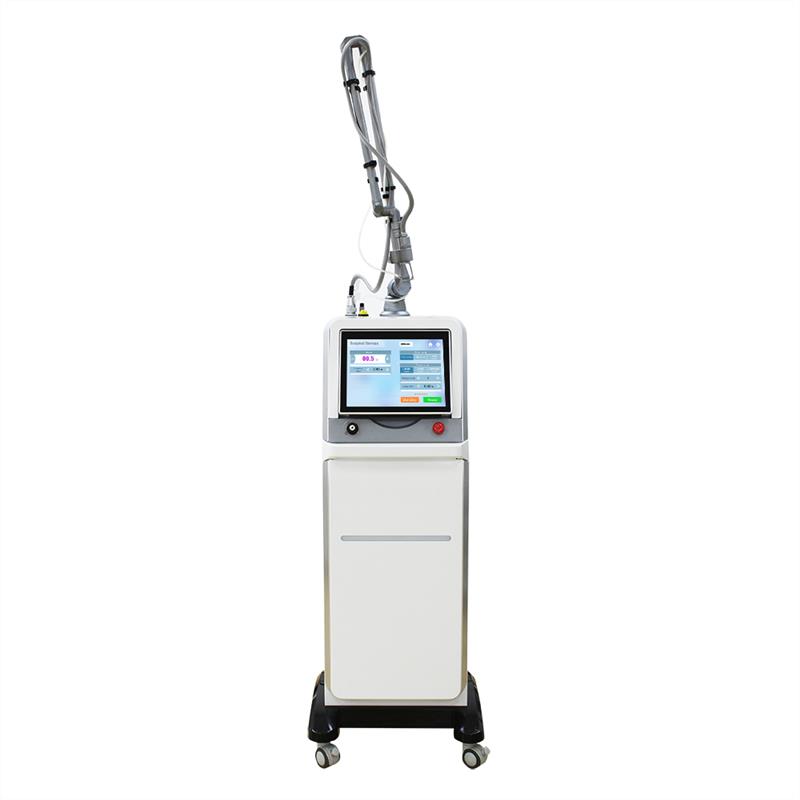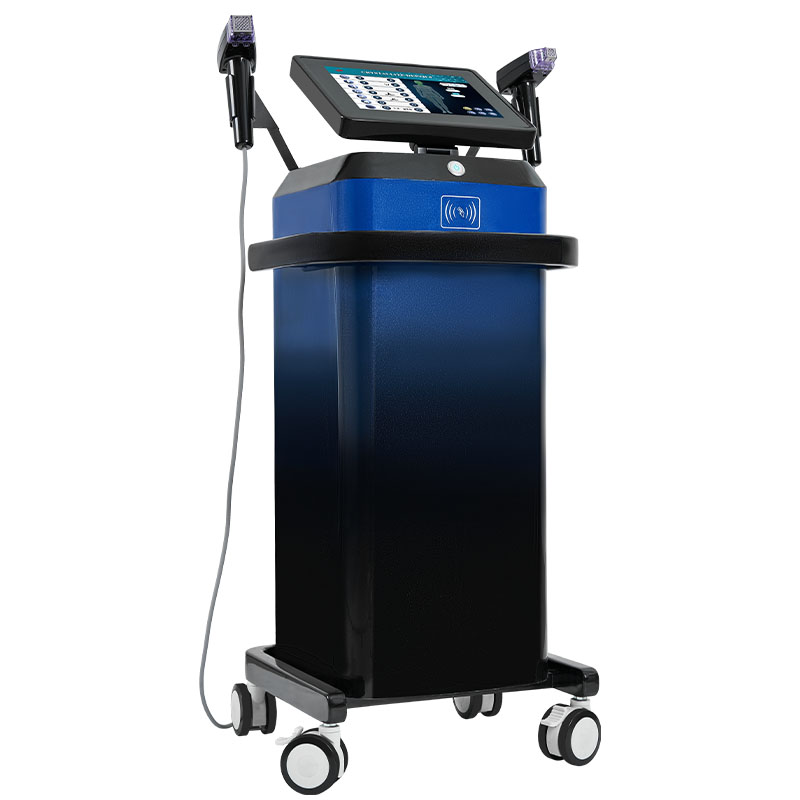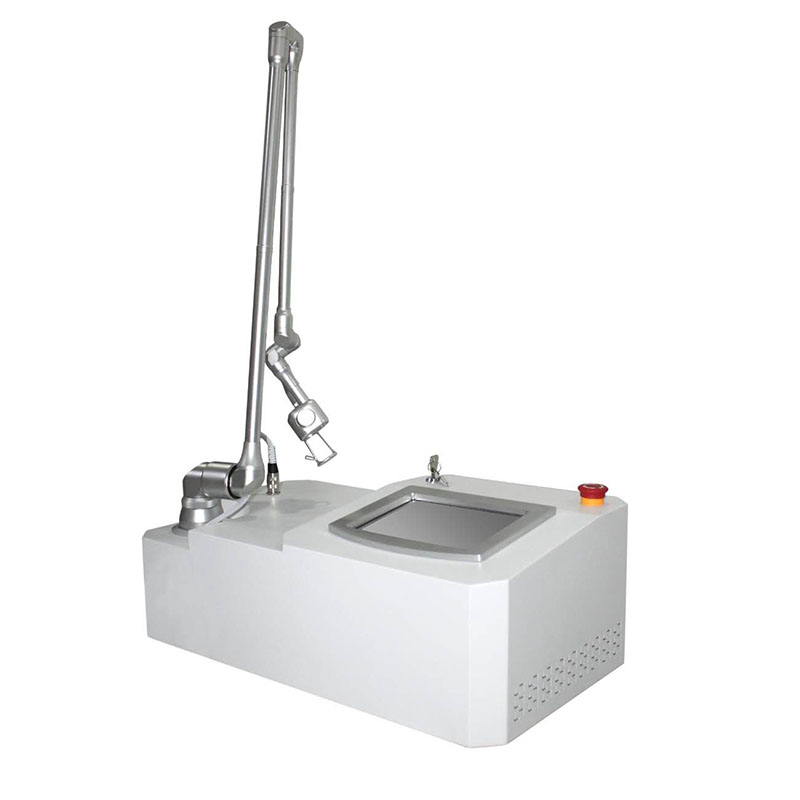
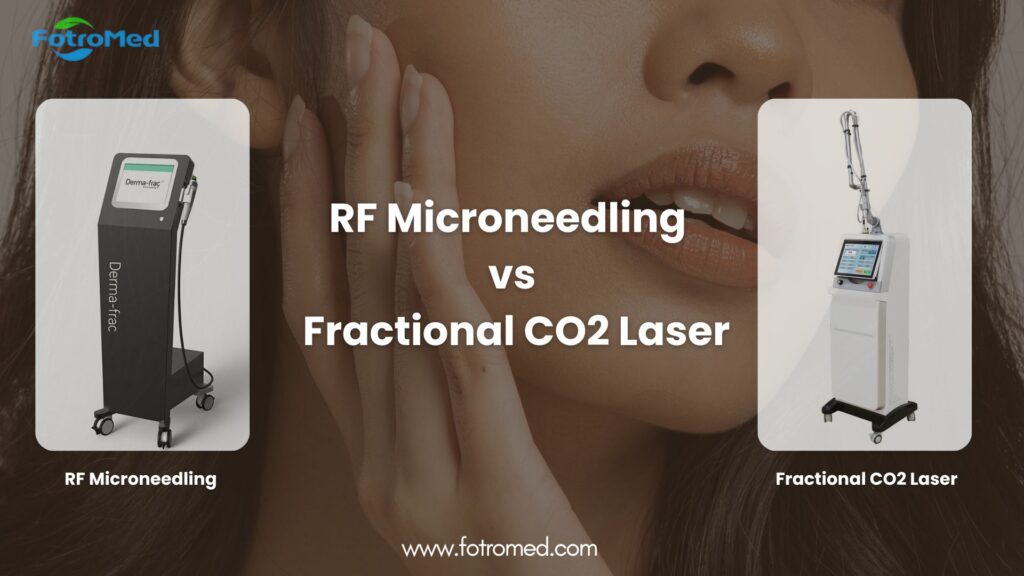
When comparing RF microneedling and fractional CO2 laser treatments, it’s essential to understand their technologies, applications, and benefits:
RF Microneedling
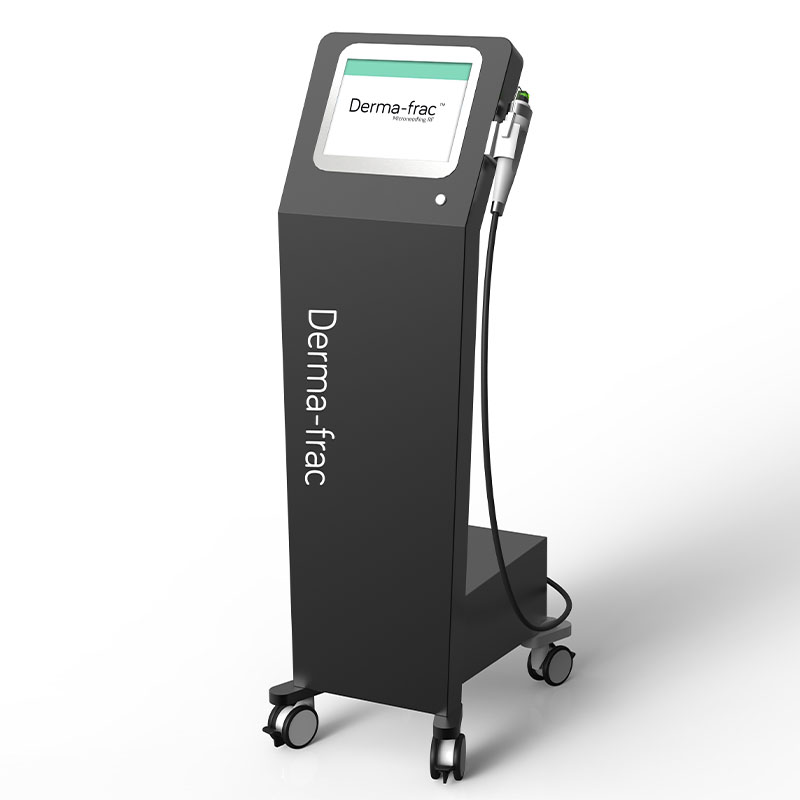
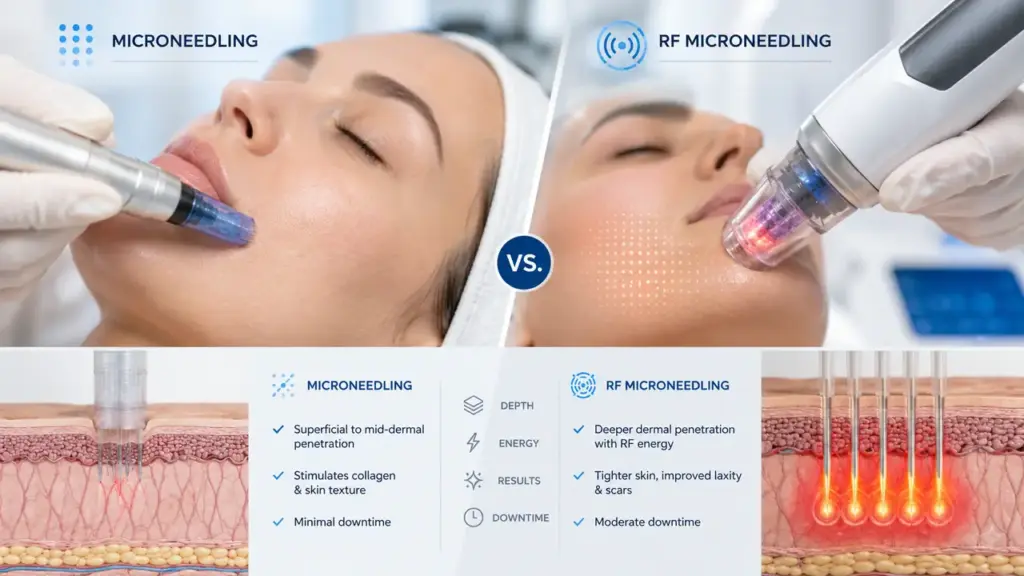
- Technology: Combines microneedling with radiofrequency energy. Tiny needles create micro-injuries in the skin while delivering RF energy to the deeper layers.
- Applications: Improves skin texture and tone.
- Reduces fine lines, wrinkles, and sagging skin.
- Treats acne improves the appearance of improves the appearance of improves the appearance of improves the appearance of scars and pigments and pigments and pigments and pigments and improves the appearance of improves the appearance of improves the appearance of improves the appearance of scars and pigments and pigments and pigments and pigment.
- Benefits: Stimulates collagen and elastin production.
- Minimal downtime; results may be visible after a few sessions.Can be customized for various skin types and concerns.
- Less risk of hyperpigmentation, making it suitable for all skin tones.
Fractional CO2 Laser
- Technology: Uses carbon dioxide laser technology to create thousands of tiny, controlled wounds in the skin, promoting healing and collagen production.
- Applications:Treats deep wrinkles, severe sun damage, and skin laxity.
- Highly effective for treating acne, correcting pigmentation, and smoothing significant skin texture irregularities.
- Benefits:Produces dramatic results in skin resurfacing.
- Stimulates substantial collagen remodeling.
- Results are often more noticeable after just one treatment.
- Suitable for more severe skin issues compared to RF microneedling.
Key Differences between RF Microneedling and Fractional CO2 Laser
| Comparison Dimension | RF Microneedling | Fractional CO2 Laser |
| 1. Primary Mechanism | Mechanical + Thermal: Micro-needles penetrate the dermis to deliver radiofrequency heat directly deep into the skin, sparing the epidermis (surface). | Light Energy / Ablation: Uses light beams to vaporize columns of skin tissue, creating surface wounds to force regeneration. |
| 2. Target Skin Concerns | Deep Structure & Lifting: Best for deep acne scars, skin tightening, lifting, and volumizing. | Surface Texture & Resurfacing: Best for surface texture, fine lines, sun damage, pigmentation, and warts. |
| 3. Downtime (Recovery) | Minimal (The “Weekend Treatment”): 1-2 days of redness. Patients can usually return to work the next day. | Significant: 5-7 days of peeling, scabbing, and redness. Requires social downtime. |
| 4. Skin Type Suitability | All Skin Types (Fitzpatrick I-VI): Safe for darker skin as RF energy bypasses the melanin-rich surface layer. | Ideally Lighter Skin (Fitzpatrick I-III): Higher risk of PIH (hyperpigmentation) on darker skin tones. |
| 5. Patient Comfort (Pain) | Tolerable: Mild discomfort; easily managed with topical numbing cream. | Moderate to High: More intense heat sensation; may require stronger pain management |
| 6. Risk of Side Effects | Low: Low risk of burns or pigmentation since the surface is intact. | Moderate: Risk of infection, scarring, or pigmentation changes if not cared for properly. |
| 7. Best For Clinics That Want | Versatility & Safety: Offering anti-aging for diverse client demographics with zero downtime. | Heavy Resurfacing: Treating severe sun damage or texture issues on lighter-skinned patients. |
- Mechanism: RF microneedling focuses on delivering RF energy to stimulate deeper layers of skin, while fractional CO2 laser directly ablates the skin’s surface for resurfacing.
- Intensity: Fractional CO2 laser is generally more invasive and may involve longer recovery time compared to RF microneedling.
- Downtime: RF microneedling typically has minimal downtime, while fractional CO2 may require several days for healing due to the more intense treatment.
Conclusion
The choice between RF microneedling and fractional CO2 laser depends on your specific goals. RF microneedling is ideal for overall rejuvenation with minimal downtime. In contrast, fractional CO2 laser is better suited for addressing severe concerns such as deep wrinkles, pronounced scars, and heavy pigmentation. While the laser offers more dramatic results, it does require a longer recovery time. We recommend a professional consultation to determine the best approach for your skin
Microneedling RF Machine For Sale:
Related Posts Of RF Microneedling:
10 Essential Med Spa Supply Companies for 2025 Success
RF Microneedling vs EM-face Machine
RF Microneedling vs Fractional CO2 Laser
RF Microneedling vs Microneedling Pen
RF Microneedling vs Q-switched Nd Yag
How to Use Microneedling RF Machine?
Top RF Microneedling Machines and Their Manufacturers in 2025
Top Affordable RF Microneedling Machines for Professionals in 2025
Professional RF Microneedling vs. Home-Use RF Microneedling
Professional Fractional CO2 Laser For Sale:
Related Posts of Fractional CO2 Laser:
How to Choose the Best Fractional CO2 Laser Machine for Your Needs
Comparing the Best Fractional CO2 Laser Machine Manufacturers in 2025
10 Best Fractional CO2 Laser Machines for Sale in 2025
How to buy Fractional CO2 Laser?
Professional Fractional CO2 Laser vs Home use Fractional CO2 Laser
Fotona Alternatives: Discover the Better Choice with FotroMed’s CeloLaser CO₂ Fractional Laser
Fractional CO2 Laser vs Skin Analysis Machine
Q-switched Nd Yag vs Fractional CO2 Laser
EM-Face Machine vs Fractional CO2 Laser
LED PDT vs Fractional CO2 Laser
RF Microneedling vs Fractional CO2 Laser